

Every month, 80% of car owners spend half of their budget on car repairs and maintenance. However, some tasks can be done yourself, such as installing a spark plug anti-fouling device. Discover here the most effective method to install this equipment and improve your engine’s performance.
What is a Spark Plug Anti-Fouling Device?
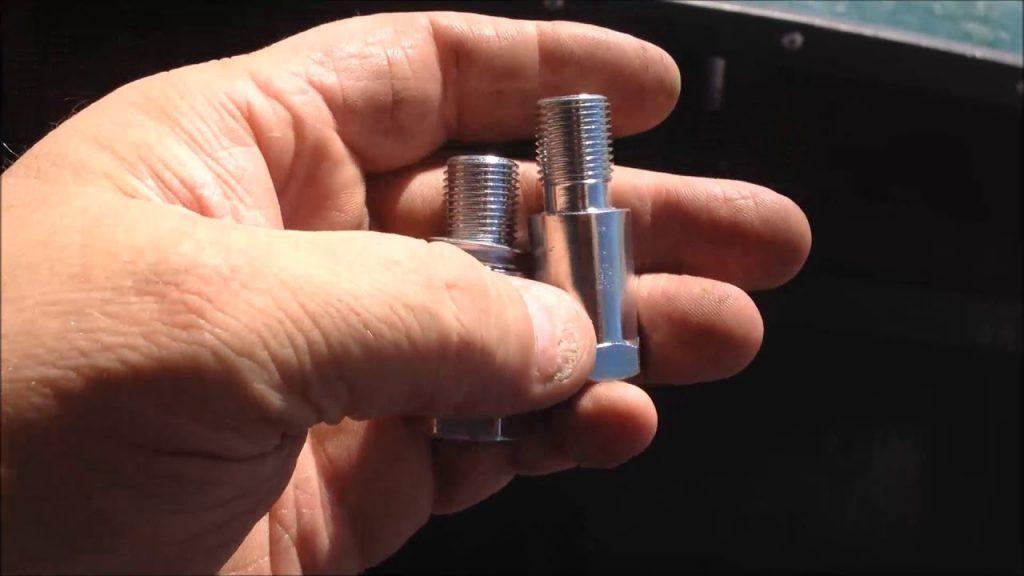
Before any installation, it is essential to understand what an anti-fouling device is and its purpose. This device helps prevent spark plug fouling and avoids premature deterioration. It is particularly useful when the engine runs with a rich mixture or has oil-related issues. Its installation thus helps optimize engine performance.
Steps to Install a Spark Plug Anti-Fouling Device
1. Preparation
Before starting, make sure you have the necessary tools:
- Electric drill
- Spark plug of at least 18 mm
- Appropriate socket wrench
- Anti-seize compound
- Paper towel or cleaner
Disconnect the negative terminal of the battery to reset the engine control unit (ECU) and ensure a safe installation.
2. Sensor Mounting
Your car can accommodate one or more anti-fouling devices. If you need to install several, use an electric drill to drill into the center of the device halfway. This will allow easy insertion of the sensor.
3. Spark Plug Installation and Sensor Removal
- Tighten the spark plug firmly onto the anti-fouling device.
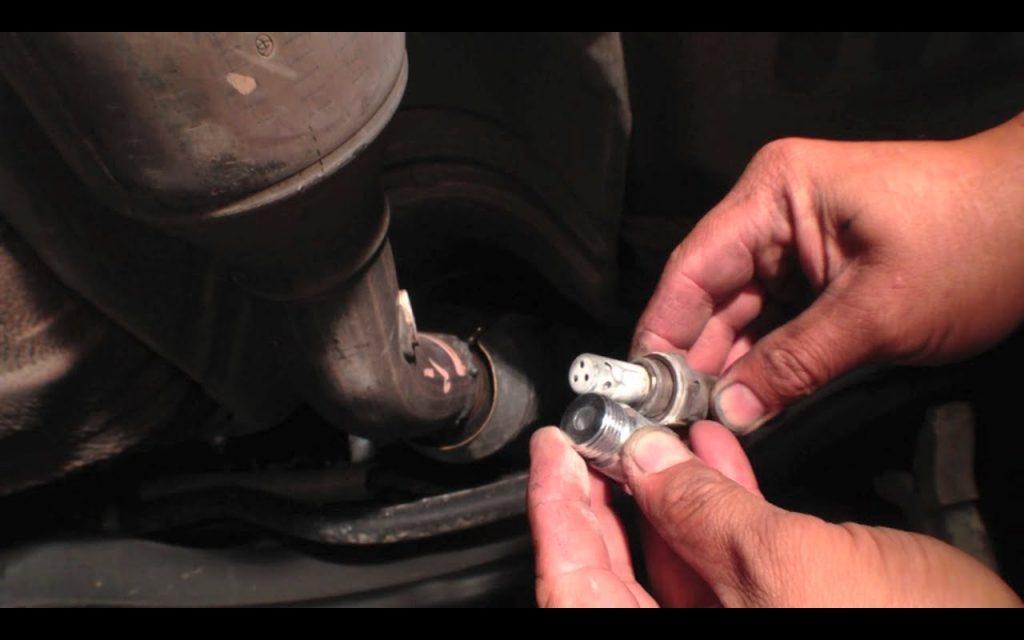
- Unscrew the original sensor and insert the cell rod.
- Apply anti-seize compound to the threads to facilitate installation and future removal.
- Clean the cell with a paper towel to avoid any residue that could affect the engine.
4. Reinstallation and System Connection
- Reinstall the sensor by applying anti-seize compound to the threads.
- Reconnect the battery and the entire ECU system.
- Check that the installation is secure and test the engine.
Frequently Asked Questions
What is the purpose of a spark plug adapter?
A spark plug adapter facilitates the connection between the spark plug and the engine, optimizing its proper functioning.
Can an engine run without a spark plug?
No, because the spark plug is essential to initiate fuel combustion.
What are the symptoms of a faulty spark plug?
- Increased fuel consumption
- Difficulty starting the vehicle
- Engine misfires
- Slow acceleration
What socket size is needed for a spark plug?
Standard sizes are 13/16 inches and ⅝ inches. Make sure to have a rubber insert to hold the spark plug in place.
Can I drive with a faulty spark plug?
It is possible but not recommended, as it can damage the engine and lead to costly repairs.
What happens if I don’t change my spark plugs?
Excessive wear leads to incomplete combustion, reducing engine power and increasing fuel consumption.
Conclusion
With this simple method, you can save time and money while optimizing your engine’s performance. However, if in doubt, it is best to consult a professional to avoid any mechanical issues.