
As winter approaches, it is essential that you properly clear condensation from your car’s windshield.
Compared to scraping ice off your windshield, doors that won’t open, and the need to change tires, car condensation doesn’t seem to be one of the biggest problems that come with the drawn-out autumn and winter nights. However, that doesn’t stop it from being a major nuisance on icy mornings. Excess water in the form of condensation can leave your car cold and damp inside, emit a musty smell, damage fittings, and impair visibility. Follow our guide to learn how to prevent condensation on windows and how to remove moisture before it causes real problems.
WHAT IS CONDENSATION?

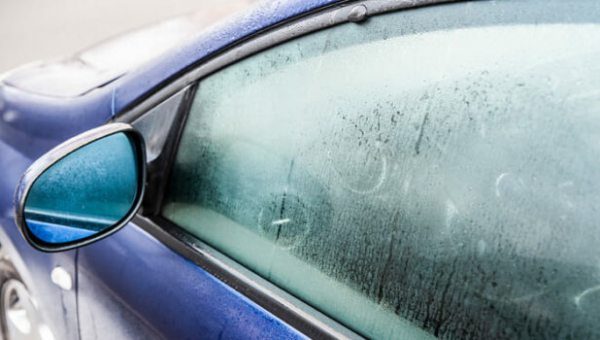
When you get into your car in the morning and notice that small droplets of water have formed on the windows and windshield, it’s due to condensation. Condensation is the process by which water vapor turns into liquid due to a change in temperature. It’s the opposite of evaporation, where liquid water becomes vapor.
This happens when the temperature inside your car is different from the outside. The warm air inside the car meets the cold windshield and turns the water vapor into actual water as the air inside the car becomes colder. This causes that irritating fog on the windshield that prevents you from seeing clearly. Since temperatures drop at night, often beyond the “dew point” (the temperature at which vapor becomes liquid), we often get condensation in our cars in the morning, but rarely in the afternoon.
Condensation can also form because the air in the car is too saturated with water vapor, and there can be several reasons for this.
Snow or rain on shoes or simply wet or soaked items left in the car for an extended period can be one of the most common causes of moisture inside the car. This shouldn’t cause any problems and becomes apparent during driving. Rainwater entering the car can also cause moisture, which could come through a sunroof or leaking windows. Water from the interior heating system can also cause condensation if there’s too much of it. A wet car floor is often a sign of a leak, and you should definitely investigate this if it’s the case.
Something often overlooked when considering the causes of condensation in a car is the effect of leaving old coffee cups or open water bottles in your car. Over time, the water from these open containers evaporates, and the resulting moisture is trapped inside your car where it can condense on your glass and dashboard or simply cause oversaturation of the air with water vapor. Get rid of these bottles to eliminate the risk of condensation.
WHAT PROBLEMS CAN CONDENSATION CAUSE?
Condensation on interior windows can cause bigger problems than just delaying the start of your journey by a few minutes. If water gets into the seals and enters the car’s electrical systems, it can cause engine misfires, failure of electric windows, or poor door locking. The latter issue can be particularly dangerous, and all these problems can be costly to repair and certainly keep you in the driveway for more than a few minutes.
Condensation can also cause mold in cars. Once droplets and moisture have formed on your car’s glass (or even on other surfaces such as car seats), mold can start to grow as small black spots on the windows and on car equipment. This can, in turn, damage window seals. So it’s essential that you know how to prevent condensation from forming in cars.
HOW CAN I GET RID OF CONDENSATION AND STOP IT FROM FORMING?
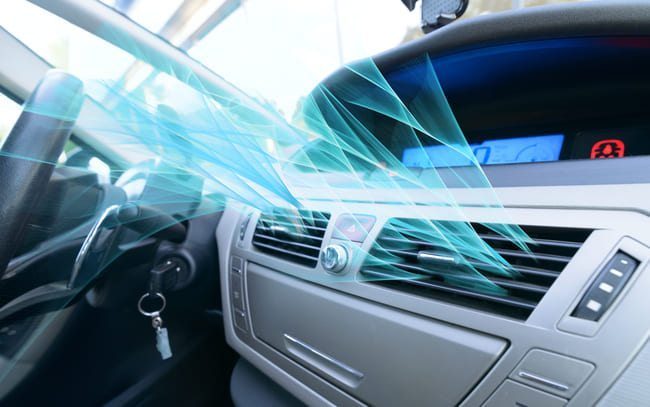
Tip to stop condensation immediately: if you get into the car and notice that condensation has formed overnight, the most important thing is to try to balance the temperature between the air and the windshield. One of the simplest ways to do this is to use your heater and defroster, but start by keeping the temperature cold at first. Set the system to maximum and direct them towards the windshield and windows. Using the AC at the same time will help keep the air dry. If your car has a heated windshield, that can also be used with them. Gradually increase the temperature until the windows are clear.
In addition to what you can do right away, there are several ways to prevent condensation from forming in the future and ensure you have a dry car:
- Clean your windows
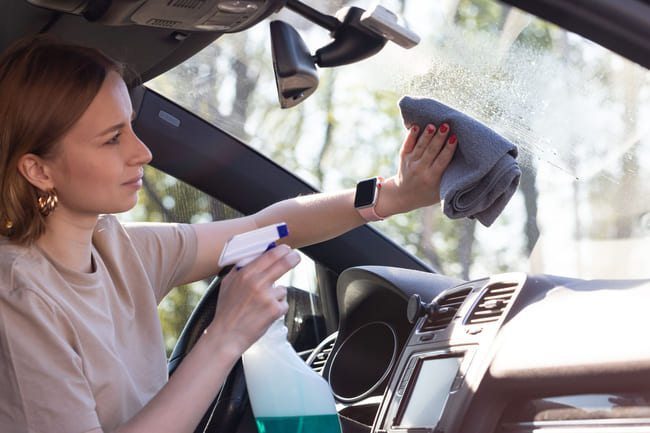
Since moisture tends to cling to dirt particles, a dirty window is a haven for condensation. Cleaning them inside and out with a car window cleaner and a clean microfiber cloth will be the most effective way to prevent any dirt from causing condensation.
- Use a “wet” vacuum
This doesn’t mean taking your Dyson into the bath with you. A water vacuum is an essential tool for any car owner, especially if you have a convertible. These vacuums have modes specifically designed to pick up heavier items, like water droplets, by slowing down the suction speed and will mean you can easily get rid of condensation from your car windows.
If you notice you’re getting more condensation than usual, vacuuming between the seats, armrests, and center console will ensure that any water droplets in your car are removed and there’s no moisture. Wiping the carpet and seats with dry cloth towels can also help absorb trapped moisture in the seats. - Use moisture-trapping products
There are also granules and moisture traps that can help you absorb moisture in hard-to-reach areas and actively retain and absorb all moisture from the air. A good moisture absorber for cars or a dehumidifier bag for cars will ensure you minimize the risk of condensation in the future. - Let in the sun
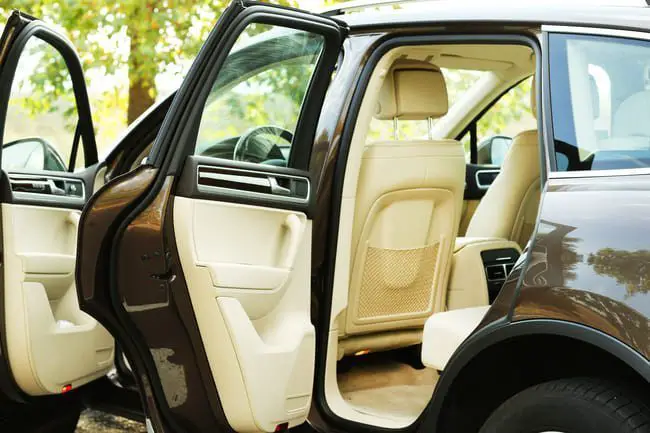
Open the doors, windows, and sunroof and let in the sun! This is sure to dry the car either by the sun’s rays or by the warm, dry air absorbing the water vapor. If a leak has formed on the floor, remove the mats and let them dry in the sun for a while until the moisture evaporates.
- Eliminate leaks and sources of moisture
Drying can be a short-term solution, but getting rid of sources of moisture is key to permanently eliminating condensation. The door membrane, folding roof edges, sunroof, sealing gaskets, weather stripping, heater core, and air conditioning systems are all frequent sources of leaks. A broken pollen filter can also be a problem.