
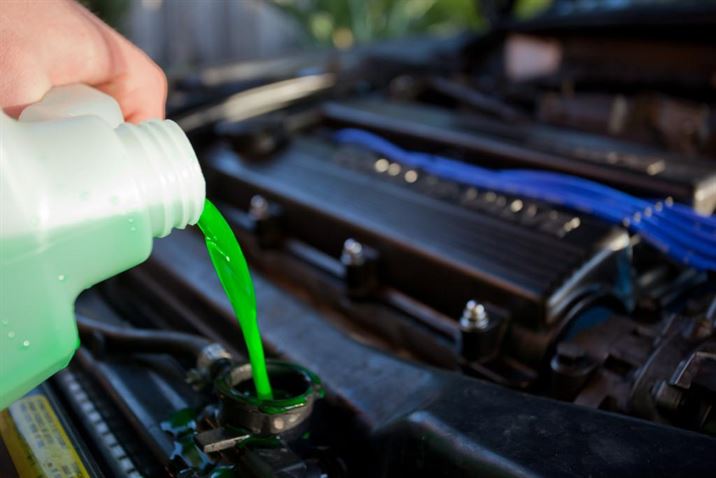
How to flush a car’s cooling system, The engine cooling system plays a crucial role in preventing your car from overheating. Additionally, it helps maintain optimal temperature under all conditions. However, the effectiveness of the coolant mixture wears out over time due to scale and rust. A contaminated cooling system can put your car at risk of sudden breakdown. To avoid a cooling system failure, it’s important to know how to flush the cooling system. You simply need the right tools and follow a few steps to do this.
Some precautions for a cooling system flush
All the necessary items for draining a cooling system and adding the new coolant mixture must be ready before proceeding with the cooling system flush.
You will need a pan or disposable container to collect the used coolant as it drains. Ensure the fluid is disposed of safely, out of reach of children or pets. Inquire, especially at your local auto parts store, to find used fluid recycling options.
For the fresh engine coolant mixture, you will need distilled water and the coolant or antifreeze suitable for your car (check your owner’s manual to find out). You can also add an anti-rust sealant and a protector to the mixture.
A chemical flush product can be used in the mixture if you wish to do it more effectively.
Keep a screwdriver or a wrench handy (depending on the drain plug). Always use a pair of gloves to prevent skin irritation from contact with chemicals.
Never remove the coolant reservoir cap from a running or hot engine, as the pressurized area poses a risk of hot fluid spray. Let the system cool down before loosening any plugs or caps.
How to drain the coolant system
Place the disposable container for collection under the car and use a screwdriver/wrench to loosen the coolant drain plug. Then remove it and drain the coolant.
After safely disposing of the used coolant, securely reinstall the drain plug.
How to flush the cooling system
Fill the empty reservoir with water until it’s full. Start the engine and add more as the water is pumped, allowing you to completely fill the system so there’s no air left inside. Then, add the entire bottle of chemical product while the engine is still running, or simply use distilled water only.
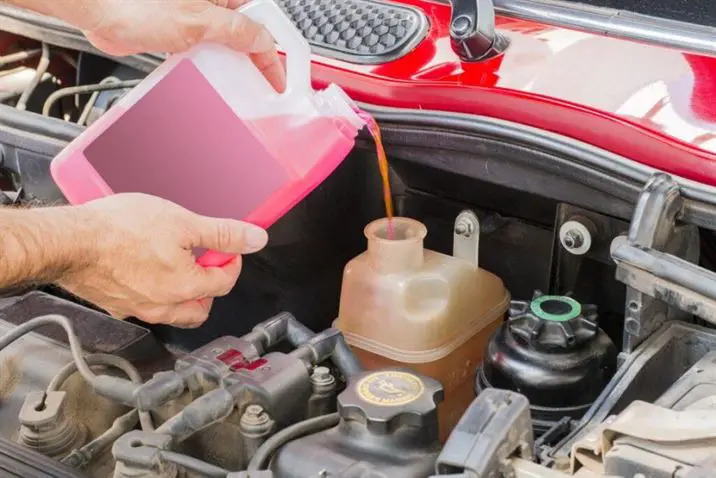
Next, follow these steps to learn how to flush the engine coolant:
- Put the reservoir cap back on and take the car for a short 10 to 15-minute drive. If the engine seems to be overheating, stop the car immediately.
- After the drive, allow time for the engine to cool before draining the cooling system by disconnecting the drain.
- As the water drains, also remove the reservoir cap so that no water is trapped by suction in the upper part. Start the engine for a few seconds after the water has drained to expel any remaining water from the cooling system.
- Stop the engine and securely reinstall the drain plug.
- Fill the cooling system with the appropriate type and volume of coolant, as indicated in your owner’s manual. Pour the coolant into the system. If it starts to spill, start the engine and continue adding more as the fluid is drawn in.
- Add the anti-rust solution (if you wish to add one) before pouring your last gallon of coolant mixture.
Finally, securely close the reservoir cap. Take the car for a final drive to circulate the brand-new engine coolant throughout the system. And that’s how to perform a coolant flush.