

If there is low compression in a cylinder, you will face many problems, including misfires when starting the car or poor engine performance. So, how to fix low compression in a cylinder?
Compression in the cylinders of an internal combustion (IC) engine occurs when air and fuel mix.
The process is necessary for the movement and operation of the car. If the compression level in a cylinder is not sufficient, problems can occur.
So, how to prevent this from happening? Well, before finding solutions, you need to have basic ideas about the reasons behind the problem.
The 5 Main Causes of Low Compression in a Cylinder
Understanding the causes of the problem will help you identify the source of the issues and repair it.
Learning about these problems will provide insight into how to fix low compression in a cylinder.
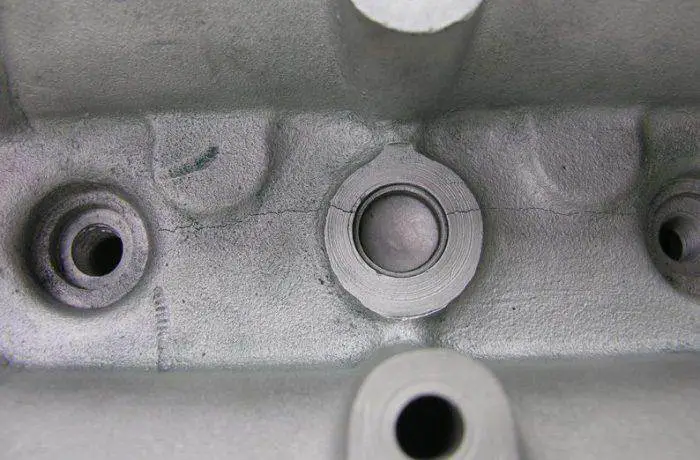
Cracked Cylinder Wall
This will trigger poor compression, leading to poor engine performance. To spot the complication, start the engine with the radiator cap open and pay attention if air bubbles come out.
These bubbles are gases from the combustion chamber escaping into the cooling system through the cracked wall.
Gasket Problems
Worn or misaligned gaskets can also cause poor compression. In this case, you can use a pressure tester to identify the problem.
It measures the compression level in the cylinder. If the readings are different, you need to check the gasket to locate the problematic spot.
Worn Timing Belt
This is the bridge between the camshaft and the crankshaft. The camshaft cannot operate when the belt breaks or fails.
As a result, the intake valve does not close and the exhaust valve is sealed. The chain reaction will lead to gases being trapped inside the combustion chamber and cause low compression.
Valve Problems
Learn how to fix low compression in a cylinder with the following circuit with us today!
Start the engine with a compression tester in place of the spark plug to identify any problem with the valve. Pay attention to gas leaks from the air intake manifold or the exhaust pipe.
The leaking noise from either of them will confirm that the valve attached to that respective system is faulty.
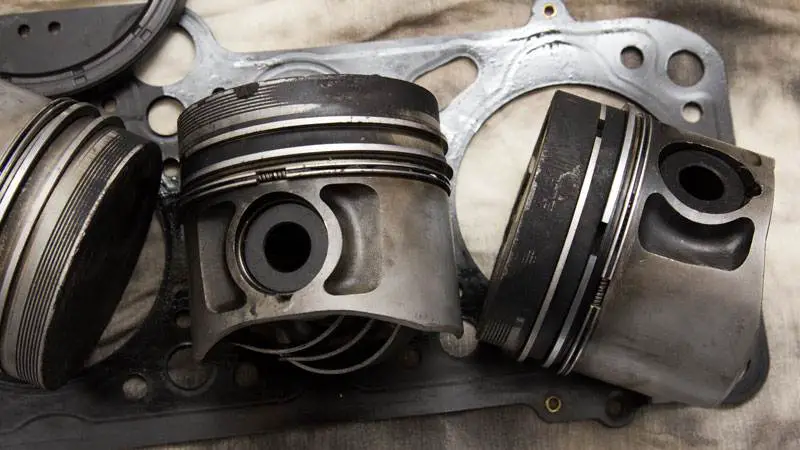
Worn Pistons or Piston Rings
When the pistons or piston rings are worn, the gases from the cylinder enter the engine crankcase through them.
One way to test the problem is to pour viscous oil into the spark plug hole so that it reaches the combustion cylinder.
Flattened Camshaft
A camshaft lobe is located on each valve. The camshaft lobes can also wear out, preventing the valve from opening.
When the valve is closed, the cylinder cannot receive air or expel exhaust gases. As a result, compression issues occur.
Remove the valve cover and rotate the engine to inspect the valves. Keep an eye on the valve movement. If you encounter a problem, the camshaft must be replaced.
Broken Cylinder Head Gasket
Low compression in a cylinder can occur if your gasket is not properly positioned or is deteriorated. The gas will escape from the cylinder through the small hole or gap between the head and the cylinder. This prevents your engine from running properly.
Measure the compression level in the cylinder using a compression tester. If your readings do not agree, be sure to inspect your gasket.
How to Fix Low Compression in a Cylinder
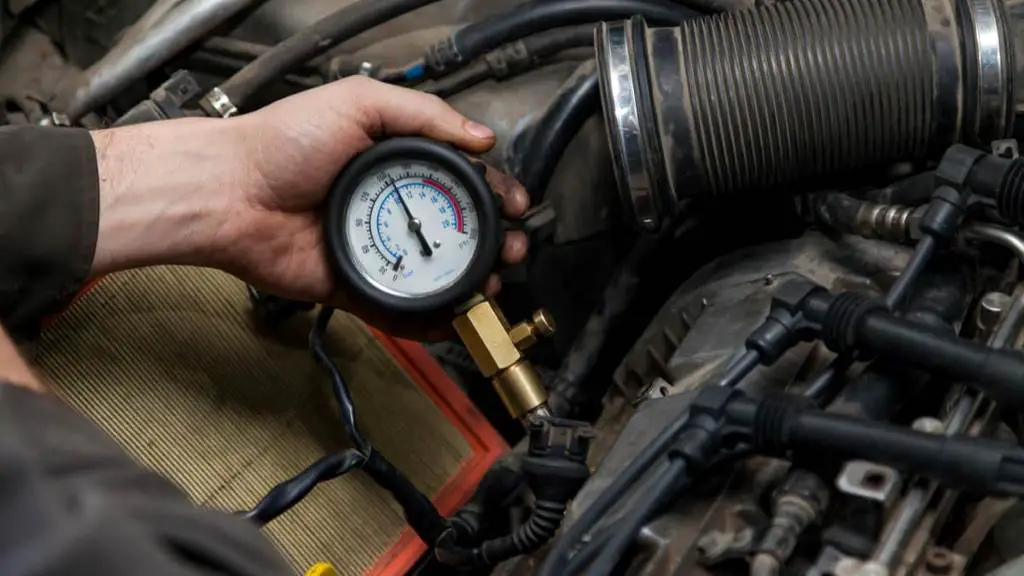
The first step in repair is to ensure that the compression in one of the engine cylinders is low. Use a compression gauge to check the measurement.
If you don’t have one, take the car to an auto repair shop so a mechanic can perform the tests.
If you find low compression, the next step is to check the cylinder, valves, gasket, and piston, as you already know the problem could come from these areas.
If you can detect a crack, damage, or gap, be prepared for a long and costly job of repairing or replacing the engine.
Additionally, how to quickly fix low compression in a cylinder? If one of the cylinders has low compression, pour a teaspoon of oil into the spark plug hole and recheck.
When the compression increases, the rings are likely stuck or worn. The oil acts as a seal, helping to reduce the gap between the rings and the cylinder wall, which leads to loss of cylinder pressure.
FAQ on Low Compression in a Cylinder
- Will low compression damage the engine?
If there is no compression, it indicates that a more serious mechanical fault has occurred, preventing your engine from even starting.
When the cylinder does not produce adequate compression, the force is insufficient to drive the piston and crankshaft, leading to your automobile completely breaking down.
- Can you still drive a car with low compression on one cylinder?
If you have engine compression problems, your automobile may misfire when you start the engine, run poorly, or not start at all if the compression is low or non-existent in all cylinders. With low compression, you cannot drive your automobile for very long, if at all.
- Is it expensive to fix low compression?
There are several probable causes of poor compression, but you can expect to pay between $100 and $200 to fix it. Your expenses at the mechanic include both labor hours and any parts needed to repair your vehicle.
- What is a good reading from a compression test?
A good compression measurement for a gasoline engine is between 125 and 175 PSI, while the standard for a diesel engine is between 275 and 400 PSI.
- Can a low compression engine use high octane fuel?
When a low compression engine is fueled with higher octane gasoline, the fuel does not burn properly, resulting in less power but maximum emissions.
- What is the best fuel for a low compression engine?
In general, engines with compression ratios of 9.3:1 or less can safely run on 87 octane unleaded fuel.
Engines with higher compression ratios typically require higher octane fuels. Many owners of automobiles designed to run on 87 octane fuel report pinging and knocking.