
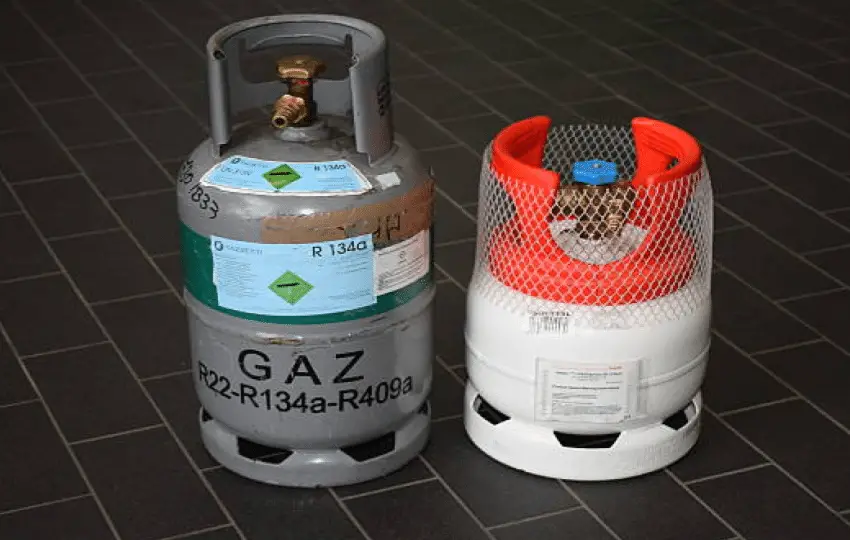
Evacuating the refrigerant, commonly known as Freon, from your car’s air conditioning circuit is a delicate but sometimes necessary operation before a repair. This guide explains the procedure to follow, while emphasizing the essential precautions and current regulations.
Why Evacuate the Refrigerant from Your Car’s A/C?
Your car’s A/C condenser, located at the front of the vehicle, is exposed to impacts, stones, and dirt. If it is damaged or if the circuit is punctured, draining the refrigerant is mandatory before any intervention. Signs of a problem include: warm air from the vents, visible fluid leaks, and warning lights on the dashboard.
Important Precautions Before Starting
Handling refrigerant is strictly regulated. It is illegal to release it into the atmosphere due to its environmental impact. This operation should ideally be entrusted to a professional equipped with a recovery machine. If you do it yourself, you absolutely must:
Mandatory Safety Equipment
Always wear protective goggles and gloves. Refrigerant gas can cause severe cold burns (frostbite) upon contact with the skin.
The Procedure for Recovering the Refrigerant (Professional Method)
The only compliant and ecological method involves using a recharge and recovery station. Here are the key steps that mechanics follow:
1. Connecting the Machine
Connect the hoses from the recovery station to the high and low-pressure valves of the car’s air conditioning circuit.
2. Fluid Recovery
Start the recovery process on the machine. It will suck the refrigerant from the circuit and store it in a dedicated tank so it can be recycled or treated later.
3. Evacuation
Once the gas is recovered, the machine performs an evacuation of the circuit to remove any traces of moisture and air, preparing the system for the future recharge.
What to Do in an Emergency? (Limited Manual Release)
Purging the circuit yourself is strongly discouraged. In an extreme emergency situation, and only if the circuit is already empty and damaged, a mechanic may use a tool pressed against the service valve to release the small amount of residual pressure. This method is not a recovery and must not be used on a functional circuit.
Conclusion: Entrust the Operation to an Expert
Evacuating Freon from an automobile air conditioner is a technical task that requires specialized equipment. To guarantee your safety, environmental protection, and the proper functioning of your system, it is highly recommended to call upon a certified professional. They have the appropriate equipment to recover and recycle the refrigerant in full compliance with the law.