
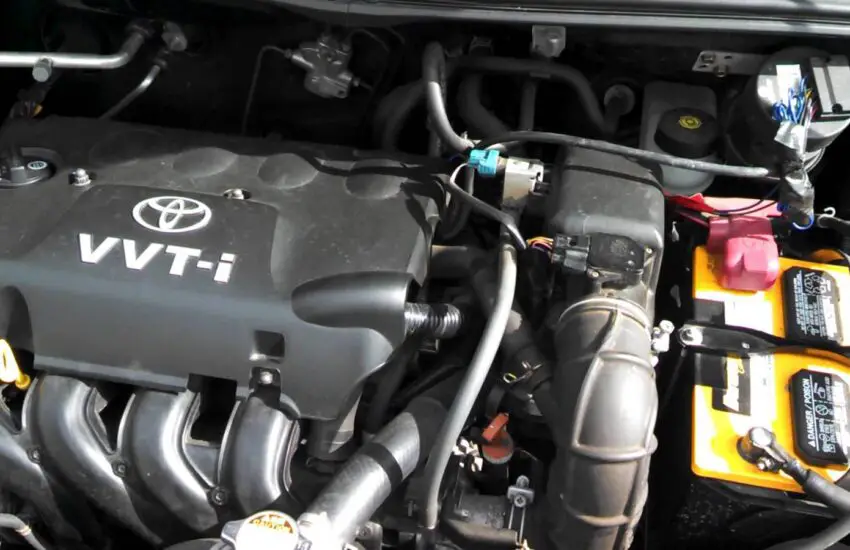
Are you experiencing engine vibration issues? It’s generally accepted that vehicles should run smoothly on ordinary roads at any speed. However, when you’ve owned a vehicle for a long time, it’s likely that your automobile has developed some vibration problems. This is one of those irritating vehicle issues that tend to start gradually and slowly, and are subtle enough that you might not notice or even overlook them.
If the car engine isn’t receiving enough fresh air, fuel, or spark needed for proper operation, you’ll likely notice vibration coming from the engine area. This problem manifests as shaking and jerking when your car accelerates, or as rumbling within a certain speed range. Below are the best ways to find and solve engine vibration problems in 45 minutes and how to reduce car engine vibrations? Let’s begin:
5 Things That Will Change Your Approach to Car Engine Vibrations:
1. Misfiring Spark Plug
When an engine misfires, it vibrates because the engine balance is disrupted. Check your spark plug and see if something is wrong. In many vehicles, a common cause of engine vibrations is worn or failing spark plugs. Worn or fouled spark plugs cannot function effectively in each cylinder.
Engine Mount
Engine vibrations or shaking can be caused by engine mount failure. The engine mount is the part that holds the engine in the correct position, preventing it from moving during operation. This part connects the engine to the vehicle body.
The mount is typically made of rubber to help absorb engine vibrations during operation. Due to high-intensity work, the rubber part wears out and damages easily, leading to poor vibration absorption. When the engine mount fails, the vehicle chassis comes into contact with the engine and the engine starts vibrating! To solve this problem, you need to replace your engine mount.
Serpentine Belt Tensioner
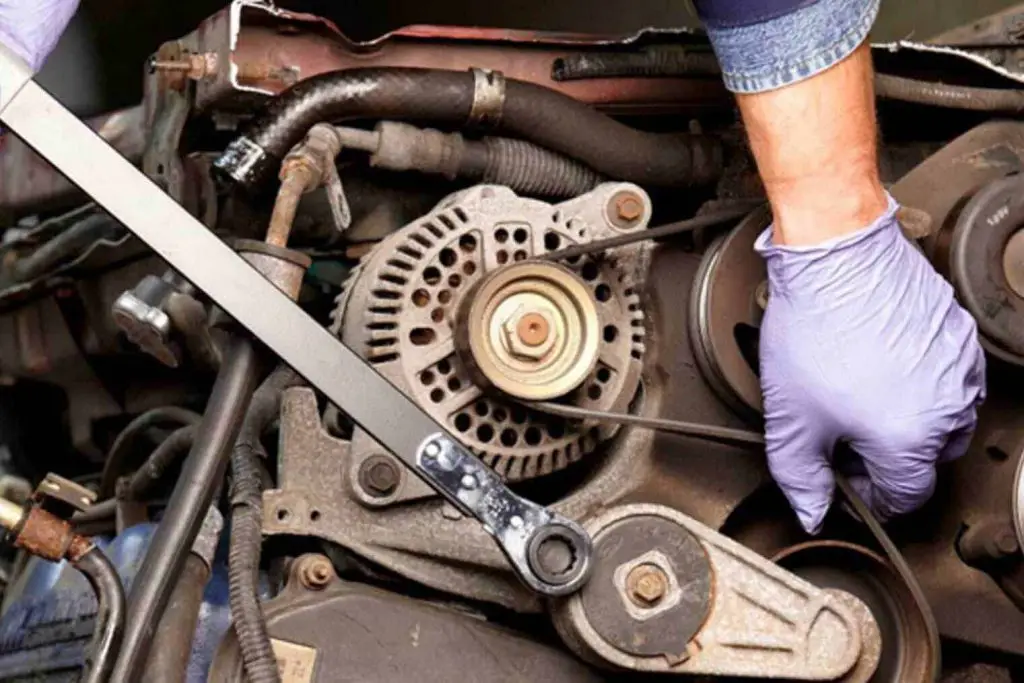
Most of the time, a serpentine belt tensioner causes engine vibrations. When the serpentine belt tensioner fails, the belt loses its grip. The serpentine belt tensioner can bounce, leading to engine vibration problems. You need to add a new serpentine belt tensioner to get rid of it. Problems with belt-driven components or the belt itself are another typical reason for engine vibrations in automobiles. Timing belts as well as other belts that are loose or cracked can prevent belt-driven parts, such as fans and other components, from moving or rotating at a consistent speed, which can cause car engine vibrations.
To avoid these kinds of problems, it’s best to regularly check all vehicle belts to ensure they’re free of cracks and ribs, as well as properly tightened and functioning as they should.
Flex Plate
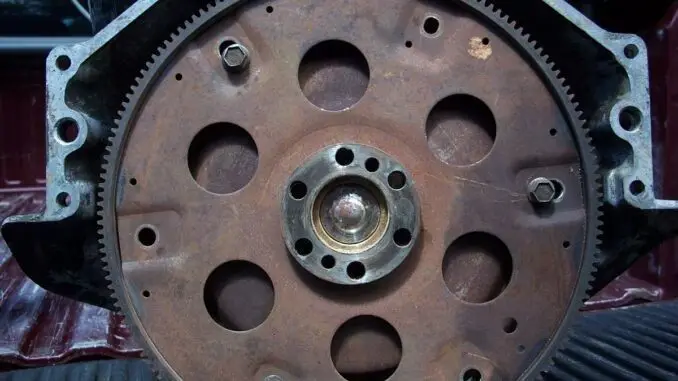
Flex plates play an important role in automobiles equipped with automatic transmission. A flex plate contains a circular steel disk with punched holes and, depending on the product, teeth on the outer circle that engage the starter. A flex plate bolts directly onto the crankshaft flange and connects to the torque converter with large mounting bolts. Problems with your vehicle’s flex plate can cause vibrations. You need to disassemble your engine parts and take a look at the flex plate. If you haven’t replaced your flex plate for a long time, it’s time to replace it! If you’re having problems with a new flex plate, contact experts to identify the main problem causing the vibrations.
Harmonic Balancer
Check the vibration damper. If you find that the “rubber insulator” is missing, make sure the “vibration damper” is causing the vibration problems. This is because when the vibration damper fails, the engine starts vibrating. You need to check your vibration damper and front crankshaft seal. Clean them, apply grease, and that’s it!
Since vibrations are slightly different from other noises specific to vehicles, it’s generally difficult to identify the source of the problem. This problem can spread far from the exact cause or appear in another location. This transfer of vibration noise is known as telescoping.
6. Braking Problems
Over time, car brakes wear out and often warp due to friction and external forces. Additionally, due to stressful operations, the brake disc surface will also be damaged due to friction. Therefore, a problem with the braking system will cause strong vibrations when starting the vehicle, particularly when applying brakes during the driving process.
How to Solve Car Engine Vibration Problems?
If you’re experiencing vibration problems when starting the engine, accelerating, pressing the brake, slowing down, etc., car owners can refer to some of the following solutions:
- Check and clean the engine’s spark plugs and high-tension cables to see if they’re damaged. If they’re defective, replace them immediately.
- Regularly check and clean the air filter to limit dirt buildup in the engine.
- Check and replace the engine mount if damage is detected.
- Find the exact cause and address it quickly to avoid more serious damage that’s dangerous for drivers.
- Take the vehicle to a reputable center for regular repair and maintenance.
A vibrating car is a sign that one or more car parts have problems. When vehicle owners detect this sign, they should take their vehicle to maintenance and repair centers to quickly address the damage, thus avoiding causing serious problems.