
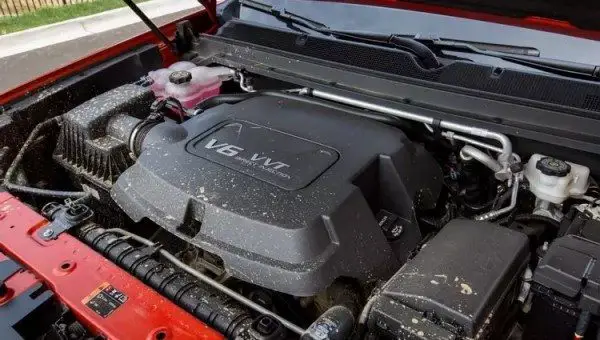

Choosing an engine is simpler than you think – because you don’t really choose one, except perhaps choosing between two or even three different engines offered for a particular car you’ve already selected.
In 2017, there are car engine attributes that simply don’t matter to a buyer, even though some of them include:
- Engine design, such as V, inline, or horizontally opposed
- Number of cylinders
- Engine size, called displacement
Here’s what matters to a car buyer:
How the car drives
Engine specifications – within limits
Fuel type and mileage
Engine design is certainly important, but the type you find in a car usually has more to do with its shape than any other attribute, because automotive engineers have to fit an engine into the vehicle with all the other components. Once these decisions are made, the platform is usually locked into a particular engine shape. For example, you probably won’t see a single vehicle offering a choice between a V6, an inline six-cylinder, and a horizontally opposed six-cylinder. The shapes are too different.
There are advantages and disadvantages to different engine designs, but engineers have ways of balancing things so they perform similarly from the driver’s perspective. Don’t waste time focusing on the number of valves or camshafts or other details, no matter how many car brands market these features.
In the past, the more cylinders a car had, the more powerful it tended to be. This is no longer the case with modern engines due to turbocharging and other technologies; where the terms four-cylinder and V-6 were once synonymous with standard and upgrade for a particular car, now the most powerful engine might have the same number of cylinders and even the same displacement as the smallest one. In fact, a large turbocharged V-6 might have less power than a small turbocharged four-cylinder.
More than ever, looking at the components tells you a lot. This leaves you with the results: the output specifications, the mileage estimates, and, perhaps most importantly, the test drive.
Horsepower and torque specifications are useful for determining how powerful one engine is compared to another, but this information is mainly useful for comparing two engines available for the same car. Too many other factors influence a vehicle’s speed, such as its weight and transmission, so a 250-hp model is not guaranteed to be faster than another with 200 hp.
The best test is to drive any powertrain you’re considering buying and see if it responds quickly and accelerates adequately from a stop as well as once it’s already moving at average and highway speeds.
Always check the EPA-estimated mileage and fuel requirements, as these can vary between two engines for the same car. Some engines run on regular gas, while a more expensive premium is “recommended” for some and “required” for others. “Recommended” usually means that premium is needed for the specified power, but it doesn’t mean you’ll notice it while driving. If “required” is indicated, you’ll need premium gasoline or another engine choice.