
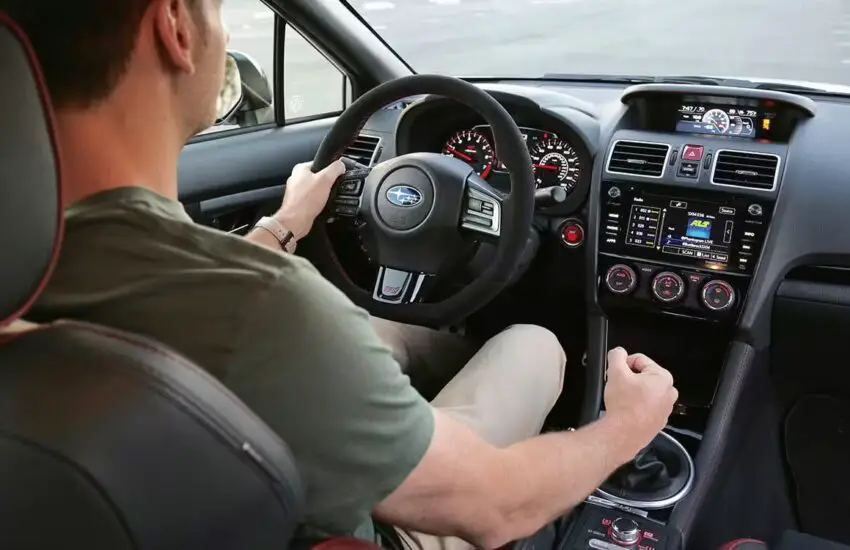
Manual cars are efficient in several ways. You have complete control of the car when driving a manual transmission vehicle. But when you need to coast from one gear to another, following the right method is the best choice. For this reason, we have listed three very useful and accurate methods that will help you find the answer to the question: how to coast from one gear to another in a manual car.
So let’s find out right now.
How to Coast in a Manual Car – The Basic Methods
The manual car is an amalgamation of several parts that require perfect handling. These three useful tricks will help you master the clutch easily. So let’s discover them!
1. With the Clutch Disengaged
When you are driving at high speed and wondering how to coast in a manual car, the best way to proceed is to disengage the clutch while the engine is running. Why is this method effective? Because when you do it with the active engine, the braking system is engaged by it and less fuel is consumed. The reason behind lower (or zero) fuel consumption is that the accelerator does not use fuel because it is not pressed. If you try to reduce speed, the risks of pressing the clutch, shifting to neutral, or even stopping abruptly are higher. Try to maintain speed between 40 and 55, regardless of the situation.
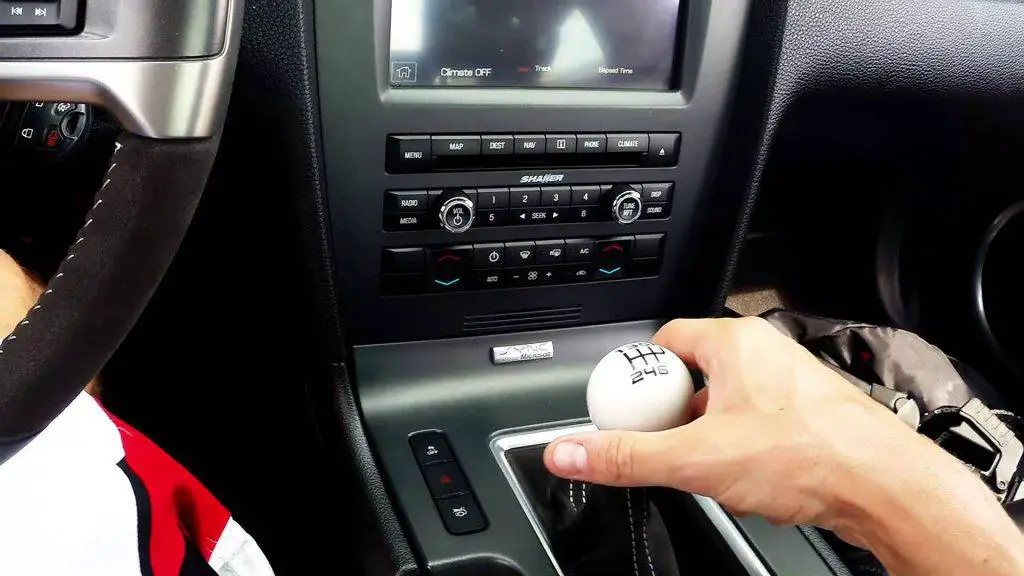
2. In Neutral with the Clutch Disengaged
Some people mistakenly think that if you stay in neutral with the clutch disengaged, you will consume more fuel. In fact, that’s not true! Whether the gears are engaged or the car is in neutral, the engine is disconnected from the wheel. Therefore, no brake will function. Being at this stage is not a sign of increased fuel consumption. However, it is true that a small amount of fuel is consumed, but it is not even counted. Nevertheless, disengaging the clutch in neutral is beneficial for the release bearing.
3. With the Clutch Engaged
When both the clutch and gearbox are engaged, you can coast without any problem. But many drivers avoid doing so because they think the pressure on the clutch can damage the disc. In reality, that’s not even logically possible. When the clutch is engaged, there is no connection between the disc and the pressure plate. However, if you press the clutch for a long time, it would damage the disc. There is a hydraulic or mechanical connection between the clutch fork every time you press the clutch. There is a small part attached to the clutch fork that takes the form of a ball bearing with internal and external rotating areas. These two rotating parts manage the tension equally. Therefore, every part of the car remains safe throughout the clutch facing process.
To Conclude
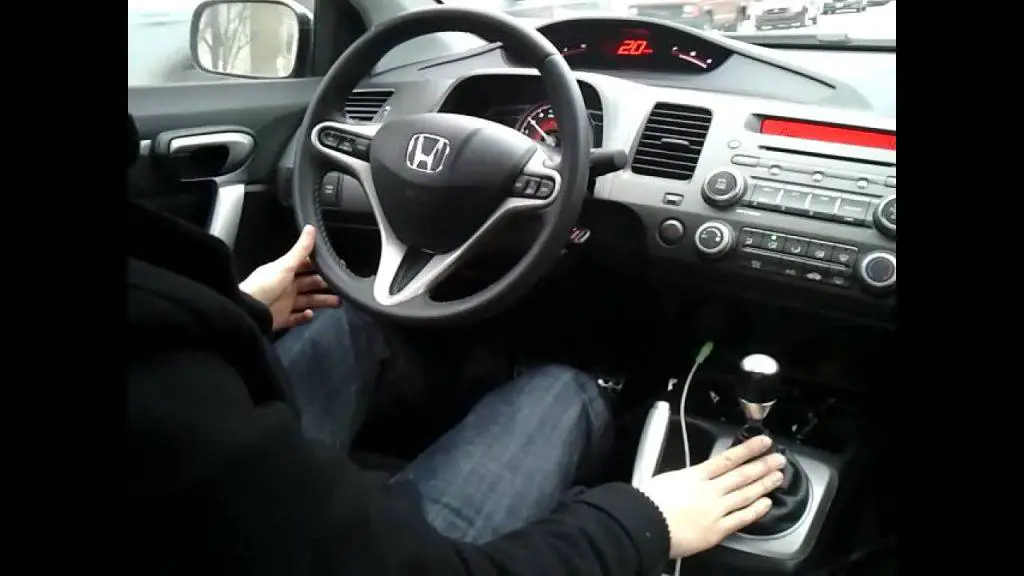
That’s how to coast in a manual car! Choose one of these methods and enjoy a smooth driving experience with the manual car. So add these useful methods to the list of maintenance tips and get ready to make the most of your manual car.