
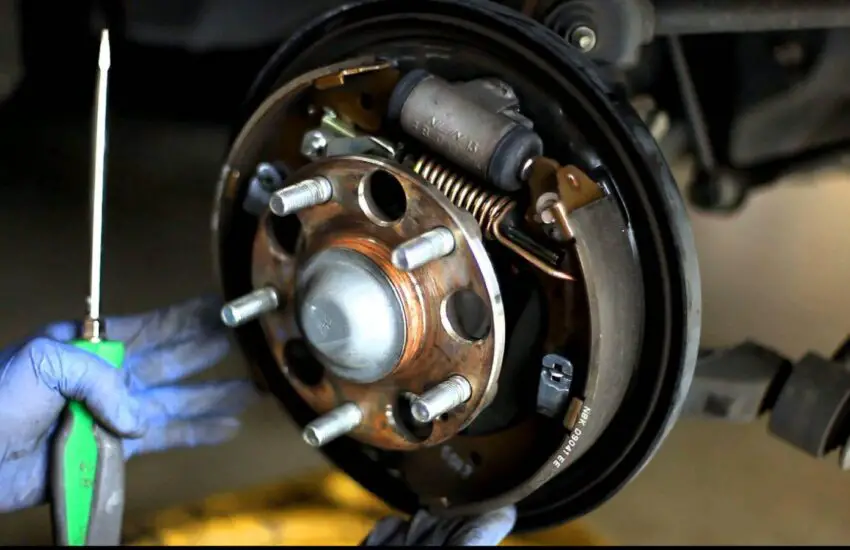
Over time, drum brakes become a hub for debris and dirt due to their continuous use. Taking care of drum brakes thus becomes essential to maintain the car’s braking system. If you don’t know how to clean drum brakes, reading the following process may be helpful.
How to Clean Drum Brakes – A 4-Step Process
The lubrication of the drum brake can be removed if exposed to wet or dusty terrain.
This, in turn, can lead to an unwanted screeching noise from the car once the brakes are applied. Such a symptom indicates the need to clean the drum brakes. Read on to find out how.
1. Bleed the Brake Fluid
The first step in knowing how to clean drum brakes is to drain the brake fluid.
Locate the master cylinder and proceed by draining at least half of the brake fluid. Replace the drained brake fluid with new fluid once the old one is disposed of.
Remember to follow the guidelines and standards set by the authorities regarding oil disposal.
2. Remove the Wheel
This process is similar to changing a tire in case of a flat. Take a tire iron and loosen each lug nut by turning it counterclockwise.
Now proceed to jack up the car using the jacks. Then, use your tire iron again to completely remove the loosened nuts.
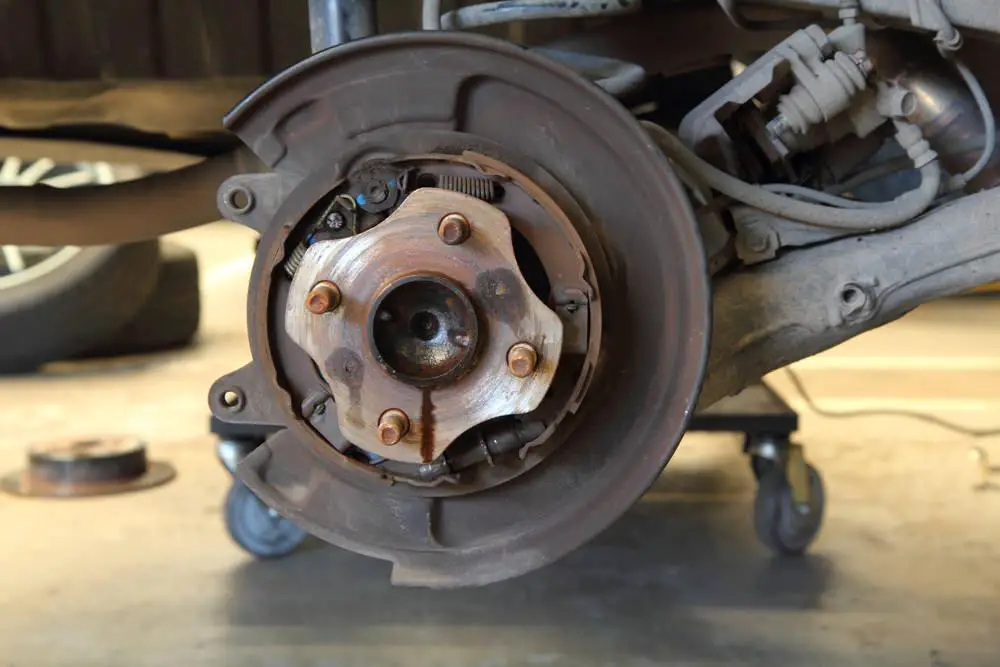
You can now remove the tire by simply and slowly pulling it from its position. If you’ve never done this before, refer to maintenance tips for the process of changing a tire.
3. Remove the Drum Brake
The first step is to locate the access hole present just outside the drum brake. Rotate the brake drum to align the drum adjustment screw with the access hole.
Now turn the adjustment screw so that it closes. The drum shoes should then detach from the wheel.
You can now proceed to remove the drum from the car. If the drum doesn’t come off on its own, continue by unscrewing the drum with a screwdriver to remove it.
4. Clean the Drum
Once the drum brake component has been removed from the car’s system, you can proceed with cleaning the drum brakes.
You can use a commercial brake cleaner or simply use water and soap to remove the accumulated debris on the drum brake.
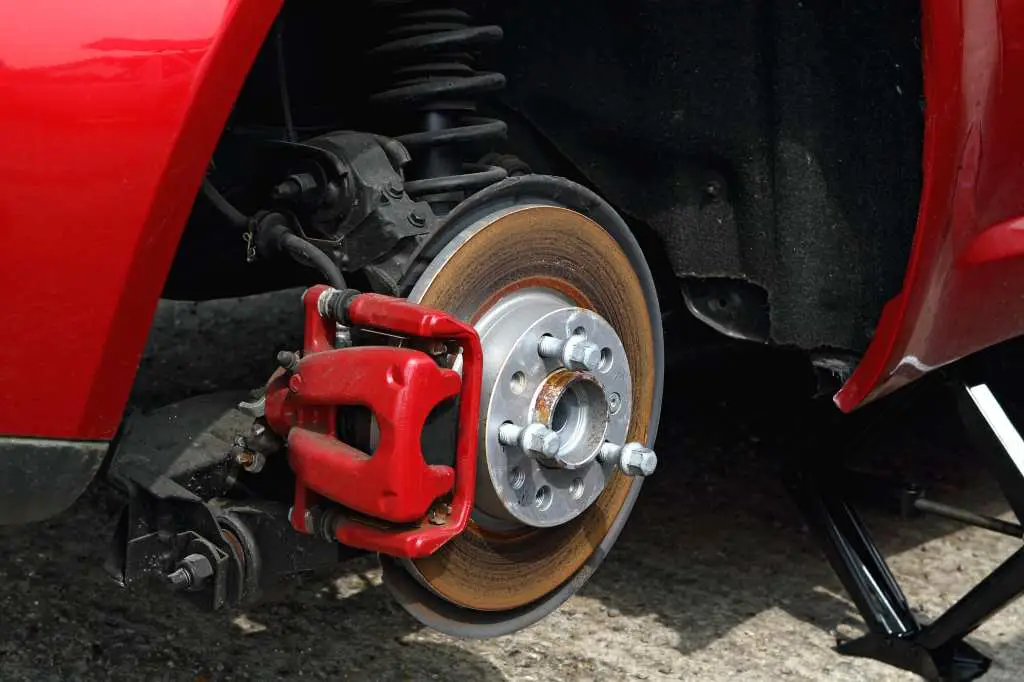
Now apply lubricant wherever metal-to-metal contact occurs, for example, on the part where the shoe slides.
Now you’re done! You can proceed to put the drum and wheel back in place by following the steps mentioned in reverse order.
FAQ
- How often should I clean my drum brakes?
The cleaning frequency can vary depending on driving conditions, but it’s good practice to inspect and clean your drum brakes during regular maintenance, for example, when you change your brake pads.
- What tools and materials do I need to clean drum brakes?
You will need a jack and jack stands, a lug wrench, a wrench or pliers, a can of brake cleaner, a wire brush, a clean cloth, and safety equipment like gloves and safety glasses.
- Can I clean drum brakes without removing the wheels?
It is possible to clean drum brakes without removing the wheels, but it is generally easier and more thorough to do so. Removing the wheels allows better access to the brake components.
- How do I safely lift the car to access the drum brakes?
Use a jack to lift the car off the ground and support it with jack stands to ensure stability and safety while you work on the brakes.
- What is the process for cleaning drum brakes?
The process typically involves removing the drum, cleaning the brake components with brake cleaner and a wire brush, inspecting for wear and damage, and reassembling everything properly.
- How do I know if my drum brakes need to be replaced instead of just cleaned?
If you notice significant wear, scoring, or grooves on the drum, or if the brake shoe linings are worn to a dangerous level, it’s time to replace the drum brakes rather than just cleaning them.
- Can I reuse the old brake shoes and hardware after cleaning the drum brakes?
It is generally recommended to replace worn or damaged brake shoes and hardware when cleaning drum brakes for optimal braking performance and safety.
- Should I take safety precautions when cleaning drum brakes?
Yes, always use safety equipment like gloves and safety glasses, and follow proper safety procedures when working under a vehicle. Ensure the car is securely supported by jack stands.
- What are the benefits of properly cleaned drum brakes?
Properly cleaned drum brakes can improve braking performance, extend the lifespan of your brake components, and ensure safer driving conditions.
Conclusion
Cleaning drum brakes is a crucial aspect of maintaining your vehicle’s braking system.
By following the step-by-step process outlined in our current guide on how to clean drum brakes, you can ensure that your drum brakes remain in good condition, providing safe and reliable braking power.
Regular cleaning helps prevent brake dust buildup and extends the lifespan of your brake components, thus contributing to the safety of your vehicle and its passengers.
So don’t neglect this important maintenance task and always prioritize your vehicle’s safety by keeping your drum brakes clean and well-maintained.