
Choosing the Right Flatbed Trailer
In the logistics and transportation sector, efficiency and reliability begin with the right equipment. For heavy loads, oversized goods, or irregularly shaped cargo, few options offer as much flexibility as a flatbed trailer, particularly the standard 53-foot flatbed, which is a cornerstone of commercial transport across North America.
Whether you operate a fleet or are simply looking to increase your transport capacity, understanding flatbed trailer options is essential for optimizing performance, safety, and return on investment.
What is a Flatbed Trailer?
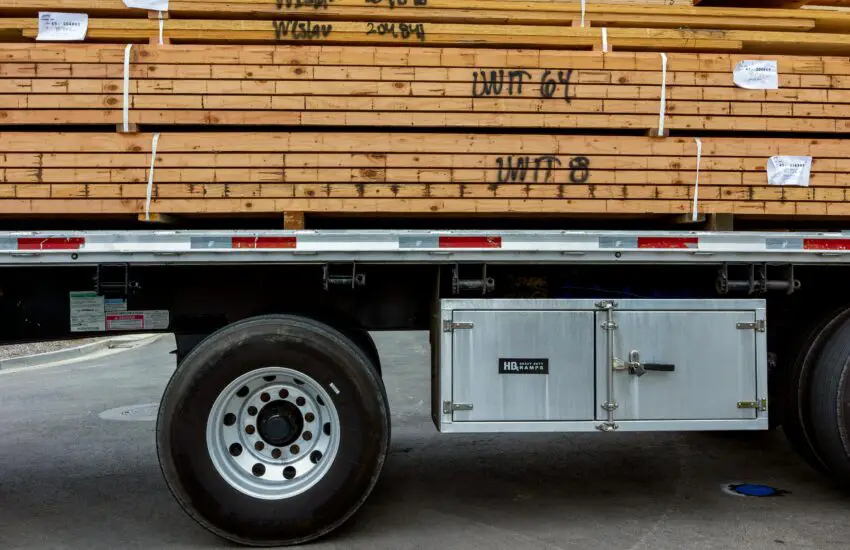
A flatbed trailer is a long, open platform without sides or a roof, making it ideal for transporting goods that don’t easily fit into enclosed trailers. These trailers are designed for maximum accessibility, allowing loading and unloading from all angles, perfect for bulky equipment, metal structures, and cumbersome cargo.
The 53-foot flatbed trailer is the industry standard for commercial loads in the United States. It offers the ideal balance between cargo volume and compatibility with freight infrastructure like loading docks and weigh stations.
Types of Flatbed Trailers
Not all flatbed trailers are created equal. Depending on your cargo, you might consider:
- Standard Flatbed: Length from 48 to 53 feet. Ideal for palletized goods and general cargo.
- Drop Deck Trailer: Features a lower deck for taller cargo that exceeds standard height limits.
- Double Drop Trailer: Offers an even lower center section for transporting extremely tall items like construction machinery.
- Extendable Flatbed Trailer: Ideal for long loads such as steel beams or pipes, these trailers can be adjusted in length.
Steel vs. Aluminum for Flatbed Trailers
Choosing between steel and aluminum for your flatbed trailer depends on several critical factors. Steel trailers offer exceptional durability and superior impact resistance but are heavier, which can reduce payload capacity. Aluminum trailers are significantly lighter, allowing for more goods to be carried while staying within legal weight limits, but they may have a higher initial purchase cost.
Essential Selection Criteria
To choose the flatbed trailer that perfectly fits your needs, several factors must be considered. The nature of your cargo determines the type of deck required, while frequency of use influences material choice. Road regulations regarding weight and dimensions must be strictly followed to avoid violations. Finally, acquisition budget and long-term maintenance costs complete the decision-making analysis.
Advantages of Flatbed Trailers
Flatbed trailers offer numerous operational advantages. Their open design facilitates loading and unloading from all sides, significantly reducing handling times. Their versatility allows them to accommodate goods of various shapes and sizes, including those requiring side access during transport. Their simple structure generally results in easier and less costly maintenance compared to specialized trailers.
Safety Considerations
Safety remains paramount when using flatbed trailers. Proper cargo securement is essential to prevent shifting during transport. Securing equipment like straps, chains, and nets must be suited to the type of goods being transported. Regular inspection of the deck condition, braking systems, and lighting equipment helps ensure optimal transport conditions.