
Most beginners need help going down a steep slope because in this situation, gravity becomes a powerful force, which puts extra pressure on your brakes and increases the risk of losing control. So, how do you brake safely downhill? This article will provide you with the necessary skills to conquer any winding descent.
Potential Risks When Driving Downhill
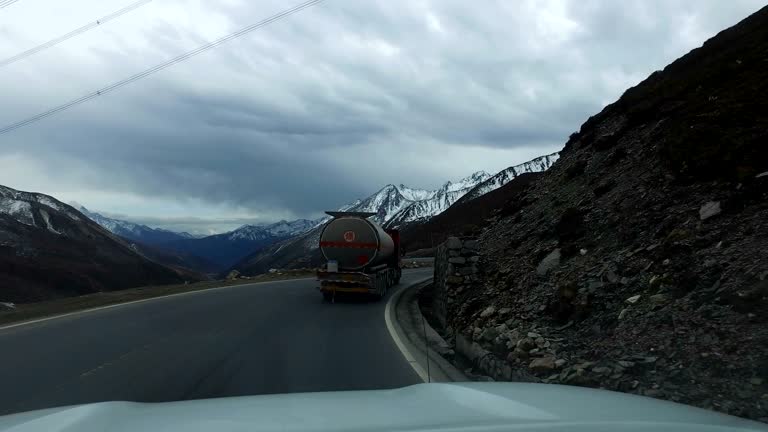
Driving a car downhill requires a lot of technique and presents challenges, but sometimes we don’t pay attention or do it incorrectly, leading to the risk of damaging the car or endangering our lives. Here are some potential risks you may encounter when driving downhill:
- When we go down a slope faster than expected, we brake intuitively. The more we brake, the more the brake pads heat up, leading to them burning out and losing braking effectiveness.
- Downhill, your car moves fast and by inertia. The heavier the car, the greater the weight, the higher the speed, the greater the car’s inertia. If you are driving in a higher gear, the car’s inertia downhill is greater. Old, worn, poor quality, or defective brake pads can cause the pads to detach during sudden braking, which can be dangerous.
- Gravity naturally accelerates your vehicle downhill, making it easier to exceed safe speeds. Therefore, it is important to use your brakes carefully to avoid losing control of your car.
For all these reasons, when going downhill, the driver should minimize the use of brakes or use them only in emergencies. However, if we don’t brake, we will lose control, so how do you brake safely downhill?
How to Brake Downhill in the Safest Way?
The most important thing to pay attention to when going downhill is braking. Some drivers make the mistake of constantly keeping their foot on the brake pedal, which generates excessive heat, leading to brake overheating, or even brake failure. Furthermore, when brakes overheat, they lose their effectiveness, leading to unpredictable consequences. That’s why this technique must be applied correctly, so when braking, the correct technique is as follows:
- Downshifting on a steep slope is the first and smartest thing to do. Only drive in lower gears. Depending on the type of vehicle, it is important to use the correct gear to slow your car down. An automatic transmission will provide less engine braking than a manual one, but it all helps. For manual vehicles, you should not drive in 5th or 6th gear, but mainly in 3rd gear.
- When driving downhill, you should maintain steady pressure on the brakes rather than pressing them abruptly, which could lock your wheels and cause your car to skid.
- Ensure the engine RPM is in a range that provides sufficient braking force without over-revving. Don’t be afraid to let the engine RPM rise, it’s designed for that. As long as you don’t hit the redline, it’s fine.
- Instead of constantly applying the brakes, use them intermittently. Brake and reduce your speed to a level lower than what you want/need, then release the brakes completely so they can cool down before braking again.
- You should brake to slow down by about 5 to 10 km/h, then release and let your car regain speed, then brake again and release. You can repeat this process when driving on long, steep slopes. You can call this technique “pulse braking.” If you are an off-road enthusiast, you will notice that on some steep slopes or mountains, there are even specific areas where drivers can stop and cool their brakes.
- Additionally, when driving on steep descents, you can lightly apply the parking brake combined with the brake pedal to provide additional braking force.
When descending a steep slope, you must remember that “brakes are for adjusting speed, gears are for maintaining speed.”
Utilize Engine Braking Downhill
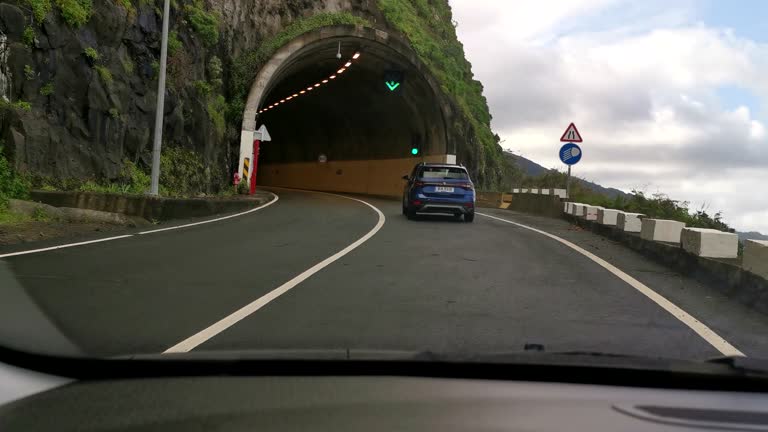
Using engine braking is an effective driving technique, especially when descending with an automatic transmission vehicle.
When the vehicle begins to descend a slope, it is necessary to shift the transmission into L or S mode. This mode allows the vehicle to operate at high engine RPMs, helping to slow down the speed. At that point, the engine acts as a brake, helping to reduce the load on the disc brake system and prevent brake overheating, thereby extending brake life and increasing safety.
Furthermore, engine braking also helps maintain vehicle stability when driving on slippery or rocky roads. This forces the driver to observe and react quickly, especially when weather and road conditions are unfavorable.
Additional Tips for Safe Downhill Driving
Vehicle Control
- Control of the braking system is the most necessary thing to be able to precisely control the vehicle’s speed. Additionally, the steering system and tires must also be checked to ensure they are in good condition, guaranteeing smooth and safe vehicle control on steep roads.
- Check tire pressure and tread depth. Properly inflated tires with sufficient tread provide better grip and braking performance.
- There are usually very few service stations on mountain passes, so before driving, the driver should check whether the vehicle has enough fuel or not.
Pay Attention to Danger Signs
When driving, drivers should pay special attention to danger signs on the road. This allows for proactive control of unexpected situations that may arise, handling them calmly, and ensuring travel safety.
Observe and React Quickly
Observation and flexible reaction are two essential driving qualities, particularly important when going downhill. The driver must always maintain a wide and long field of vision and carefully observe all movements in front of and around the vehicle to quickly handle unexpected situations.
Downhill, early detection of obstacles, potholes, or sudden changes in traffic can help drivers make accurate decisions, allowing them to adjust their speed or route safely.
Flexibility is not limited to controlling speed and direction. Drivers must be ready to modify their driving plans based on weather conditions, road conditions, and other unexpected factors. This requires the driver to have experience and sensitivity to correctly assess the situation and provide appropriate responses.
Like any driving skill, mastering downhill braking requires practice. Find a safe and controlled environment to practice these techniques before tackling difficult descents. By following these tips, you will be able to navigate these winding roads confidently and enjoy a safe and pleasant driving experience.
We hope this article is helpful to you in one way or another! If you have any concerns about downhill braking, let us know in the comments section below!