Sometimes you may experience a spongy or soft feeling when braking. This happens when the brake fluid level in the master cylinder drops too low and air bubbles get trapped in the lines. Brake bleeding is the process of removing air bubbles from the brake system and flushing out old fluid and contaminants. Knowing how to bleed brakes will save drivers both hassle and money.
The Reason Behind Brake Bleeding
When you press your vehicle’s brake pedal, it’s the brake fluid that causes the action. Your foot’s movement displaces the brake master cylinder piston, whose role is to pump brake fluid through the brake lines and to the brakes. The fluid then creates pressure on the brake pads, which then compress your car’s brake rotors and slow everything down.
Brake fluid is designed to work properly for several years before needing replacement. It needs to be replaced because, over time, brake fluid loses its moisture resistance and starts absorbing small amounts of water. This not only reduces brake performance but can also corrode key components of the system. Replacing the fluid after each appropriate interval is an effective and inexpensive way to ensure your vehicle is safe enough. You can avoid having to pay for costly brake repairs later.
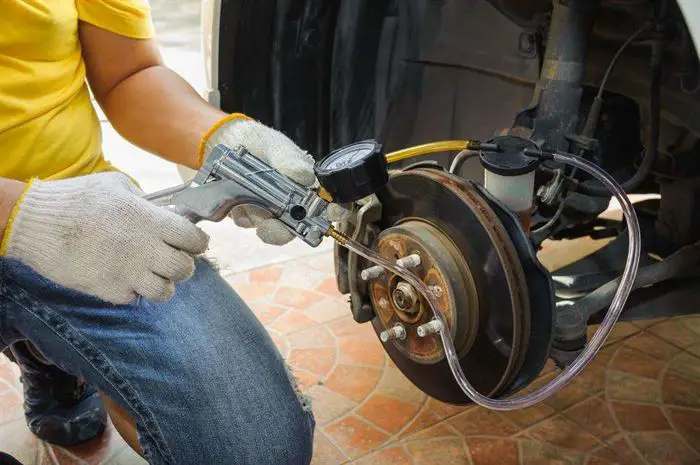
An essential part of replacing brake fluid is bleeding the system. The job simply involves removing trapped air from the brake system and also flushing out some of the old fluid.
Step-by-Step Guide on How to Bleed Brakes:
You will need a few tools and to follow the correct procedure to bleed your vehicle’s brakes before learning how to bleed brakes. Let’s take a look:
Tools Needed for Brake Bleeding
- A brake bleeder wrench
- A clean glass jar
- A can of brake fluid
- An assistant
Brake Bleeding Procedures
Follow the step-by-step brake bleeding procedure to know how to bleed brakes on your car the right way:
Step 1: Prepare Before Taking Action
Consult the owner’s manual to find out what specific type of brake fluid your vehicle needs, as well as how often the fluid inside should be replaced. There are many different types of brake fluid and they don’t mix well. Go to the auto parts store or the dealership parts department to buy the appropriate fluid before starting the bleeding job. Good quality brake fluid is easily affordable; you might need two or three 12-ounce cans to know how to bleed brake lines.
Step 2: Prepare Your Car for the Job
Using jacks and jack stands, you can first lift your vehicle on a flat, solid surface. This should be a garage floor or driveway surface. You then support the car with four jack stands placed at the lift points indicated in the owner’s manual. It must be securely and firmly on a solid base when in the air. Remember that the brake bleeding process will sometimes have you partially under the car, so this should be safe for you. Finally, you remove all four wheels to begin.
Step 3: Locate the Brake Bleed Screw
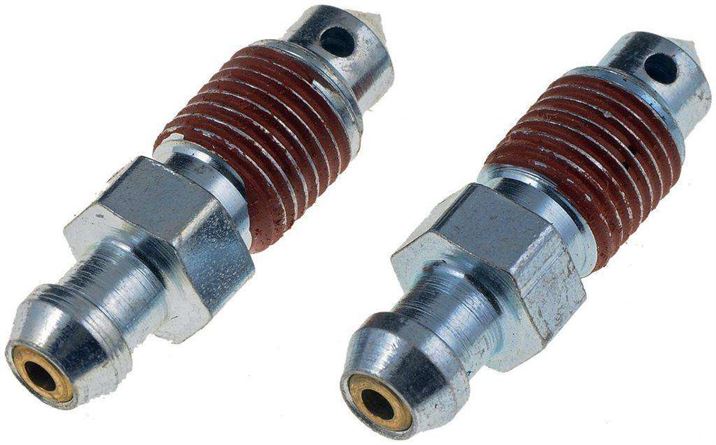
The first step is to lift your car and crawl underneath. To do this, locate the brake bleed screw located behind each of your brakes. The driver can then use the wrench to loosen the screw, but not remove it. If it’s stuck, spraying penetrating oil around it will make the job easier.
Step 4:
Step 4: Connect and Fill
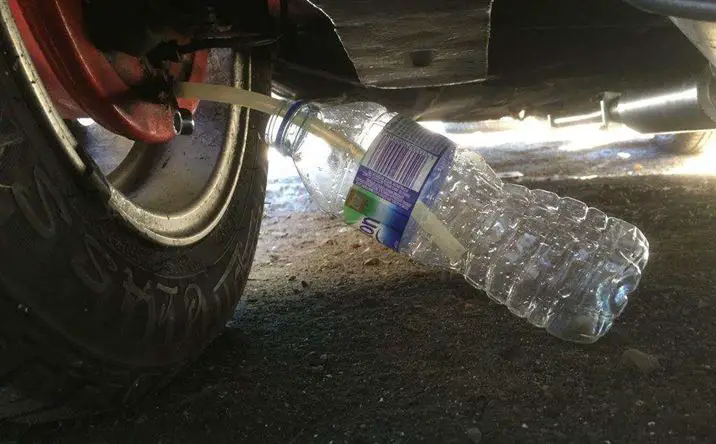
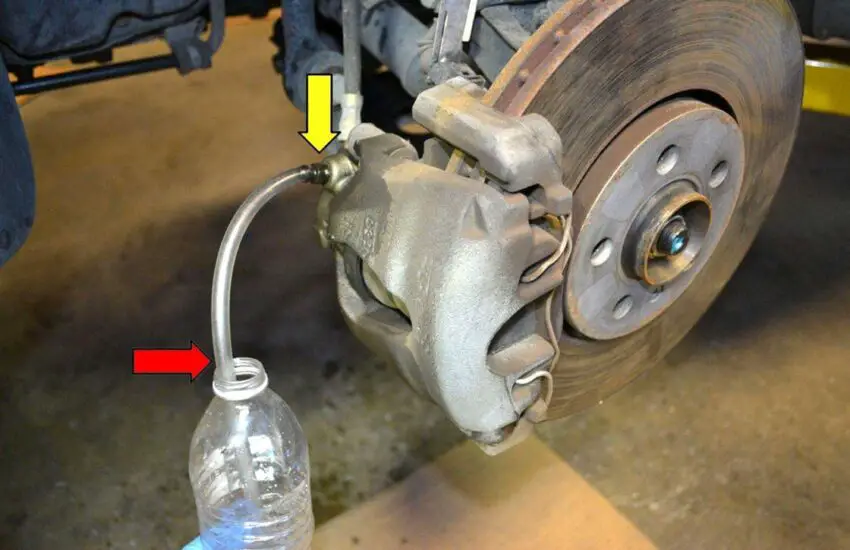
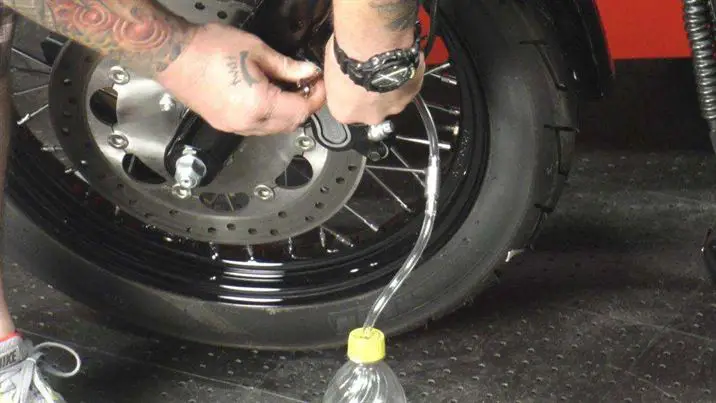
Connecting and filling the jar is an important step for drivers to know how to bleed brakes. Insert one end of a hose into the end of the screw, then place the other end in the glass jar or a bottle. Fill the jar with brake fluid to a level where the end of the hose is submerged. If you can’t find a flexible hose, keep the jar close to the nozzle so it can catch the fluid spurting from the nozzle.
Step 5: Test the Brake Fluid
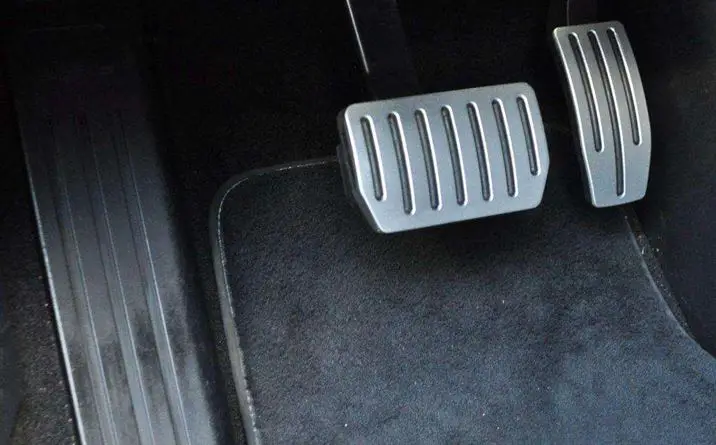
Ask the assistant (this could be a friend or someone else) to sit in the driver’s seat and press the brake pedal several times. After that, open the bleed screw while asking the assistant to hold the pedal down. Brake fluid will come out of the nozzle and you will clearly see the bubbles (if any). This is a crucial step in brake bleeding.
Step 6: Remove the Bubble
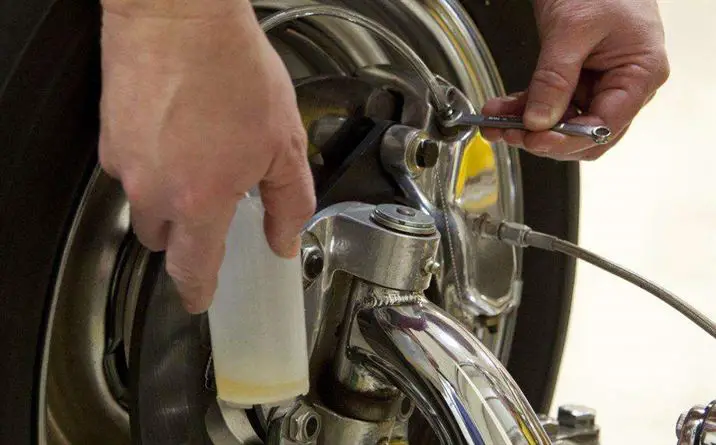
Now, tighten the screw while the assistant is still holding the pedal down. Then, tell them to release the pedal and repeat this process of loosening and tightening the screw until the fluid no longer contains bubbles. How to bleed brakes is not something they need to understand, they just need to help with the pedal. Tell the assistant to shout “Down” when they press the pedal and “Up” when they release it.
Step 7: Bleed the Brakes
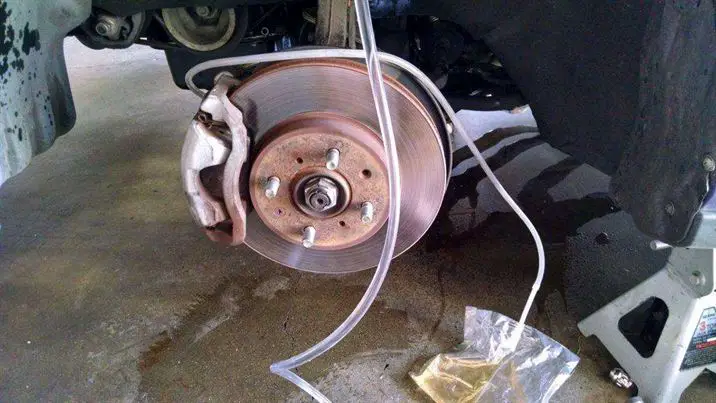
To master brake bleeding, you need to bleed each of the brakes by repeating the same process. However, it is necessary to top up the brake fluid in the master cylinder before bleeding each of the brakes. If you don’t do this, the cylinder will be emptied of fluid and will draw air into the lines. In this case, it is necessary to bleed the master cylinder as well.
Step 8: Checking the Master Cylinder
After bleeding all four brakes, you ask your assistant to apply all their force to the brake pedal, followed by a sudden release. Watch the fluid movement in the master cylinder reservoir carefully. If there is a significant eruption of fluid, air bubbles would still be trapped in the system. In this case, you need to repeat the bleeding procedure to remove that air.
Step 9: Tighten the Screw
After bleeding one last time and filling the master cylinder to the maximum level, tighten the final bleed screw. Check again until all bleed screws are tightened. This time again, apply strong pressure but not all your force to tighten them – otherwise you risk breaking them – before reinstalling the car’s wheels. Drive the car for a while to see if the brakes feel correct when you press the pedal.
Congratulations, it’s all done!
Learning how to bleed brakes is not a complicated task. However, you will need patience and perseverance to complete the project.
Tips for Successful Brake Bleeding
Knowing and following the instructions on how to bleed brakes is one thing. However, a successful and effective brake bleed is another story. But don’t worry, we will help you by providing our best brake bleeding tips to eliminate air bubbles from the brake system.
1# Call Your Friend

In most cases, having an extra hand is always more helpful. When it comes to bleeding brakes, a friend or two will certainly reduce the processing time and effort for car owners. Remember, one person needs to press the pedal.
Not only that, it can also save you from disaster. So a little help doesn’t seem too bad, does it?
2# Ignore the Bleed Block