
Modern cars are equipped with hydraulic brakes, unlike older cars. It’s no longer a mechanical clutch but a hydraulic concept. Whenever you operate the hydraulic system, you need to bleed it to remove air pockets. The presence of air in the fluid contaminates the fluid and affects its performance. Here we provide the complete tutorial on how to bleed a clutch.
How to Bleed a Clutch: The Complete Step-by-Step Guide
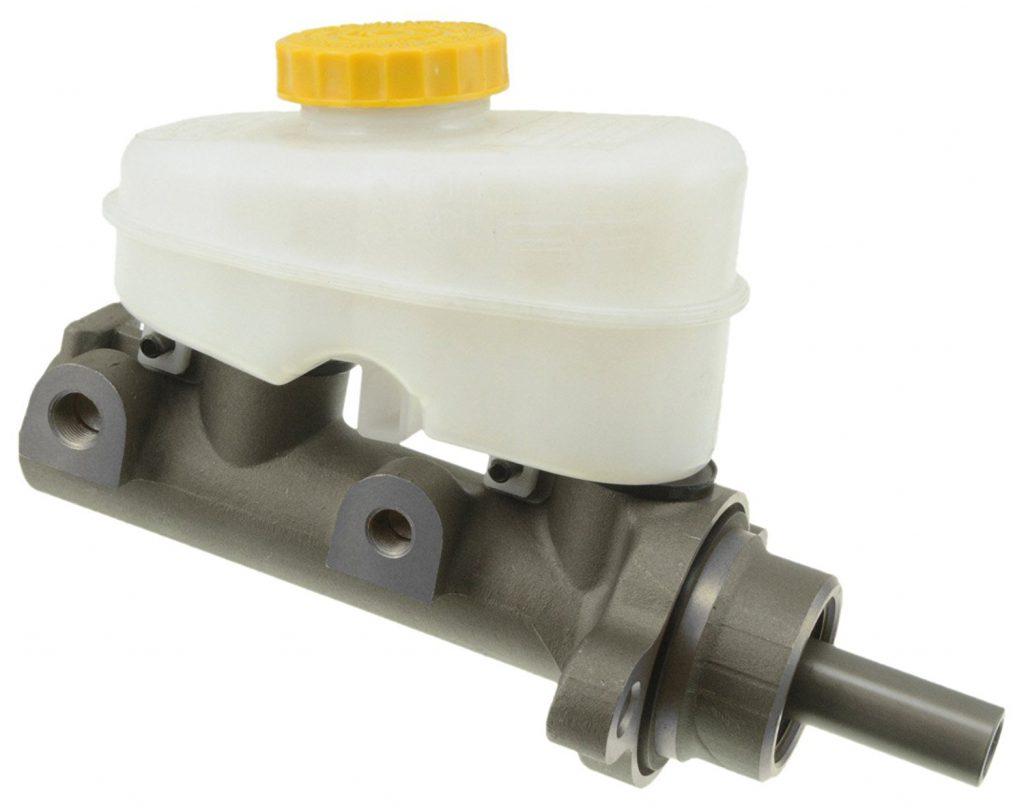
There are two cylinders called master and slave. The clutch master cylinder acts as a reservoir for the brake fluid that connects it to the slave cylinder via the hoses. Whenever you press the clutch, the fluid flows from the master cylinder to the slave cylinder, and the gear shifting mechanism occurs. Let’s see how to bleed the clutch:
Prepare the Tools:
To know how to bleed a clutch, having the tools at hand makes the overall process easy and quick.
You will need the following materials:
- Brake bleeder wrench or drive wrench of about 8 mm or 10 mm
- Brake fluid according to the manufacturer’s recommendation
- One to two feet of aquarium tubing
- Catch pan
- Empty water bottle
- Floor jack
- Gloves, glasses, cloths or paper towels for cleaning
- Safety stands x 2, suction tool
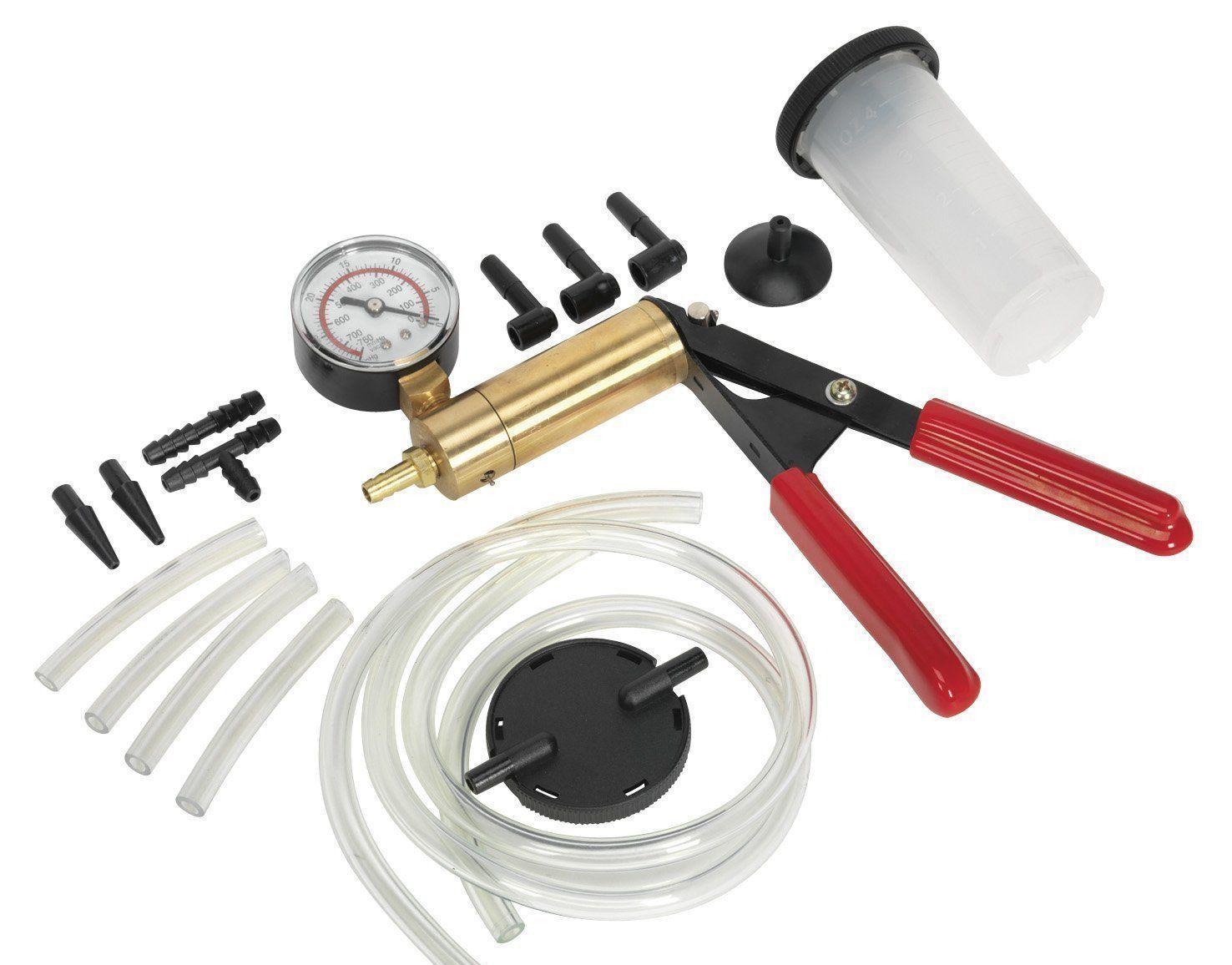
- Manual vacuum bleeder
Locate the Brake Master Cylinder and the Slave Cylinder
Once you have all the tools at hand, it’s time to find the master cylinder and the slave cylinder. Open the hood and go to the driver’s side to find the master cylinder. Once you’ve located the master cylinder, suck out the old fluid and refill it with new fluid using the suction bulb. This is useful when performing routine maintenance.
When you don’t know which fluid to use, refer to your manual and find out which fluid is recommended.
Next, it’s about locating the slave cylinder which you can find on the transmission. In most vehicles, it can be found on the outside, otherwise check inside. Follow the hydraulic line from the clutch master cylinder to locate the slave cylinder in the simplest way.
Bleed the Slave Cylinder
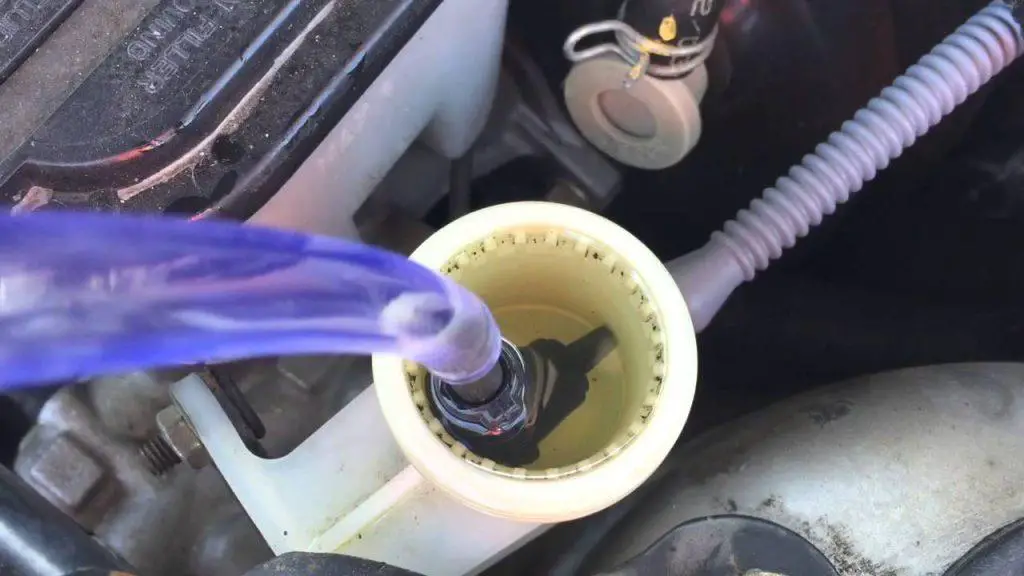
To bleed the slave cylinder, you need to remove its valve using a wrench. The rest will be done by gravity. You need to use a container or pan underneath to catch the fluid; leave it open for two to three minutes.
Note: while bleeding the slave cylinder, monitor the master cylinder. The fluid level in the master cylinder should not drop too low, otherwise it will suck in air. Tapping on the slave cylinder will help release any remaining air pockets.
Access the slave cylinder and the bleeder fitting. Close the bleeder valve and use the aquarium tubing to connect to the bleeder fitting. Place the end of this tube in an empty bottle and fill the master cylinder with brake fluid.
Now, you need to press the clutch pedal and for that, you can ask for a friend’s help. Tell them to press the clutch pedal 10 to 15 times, then hold the clutch pedal fully depressed.
While the clutch pedal is still pressed, it’s time to open the bleeder using the wrench. This would allow fluid to come out of the slave cylinder. Close the bleeder valve when you no longer see air bubbles in the fluid; also release the clutch pedal. You will need another person as this operation cannot be done alone.
The Final Step
Finally, it’s time to test the clutch once the slave cylinder is bled. Start your car and test the clutch to check its operation. If you used the jack to lift the vehicle for the bleeding process, you can lower the vehicle before testing the clutch.
Note: you must not release the clutch pedal while the bleeder is still open, otherwise air will be sucked into the system.
If you feel the clutch is sticking or you notice unusual behavior that wasn’t present before, it is recommended to have the pedal checked by a professional. Also, if the pedal seems to be on the floor even after releasing it, there’s no need to worry. Just tap it a few times and everything should work fine.
If the problem doesn’t seem resolved, let the mechanic determine what’s wrong with the clutch system and have it repaired. Although, in most cases, the steps mentioned above are sufficient, you can always call a certified mechanic, otherwise you can follow some maintenance tips from experts.
Bleeding the Clutch Using the Manual Vacuum Pump
If you are considering using a manual vacuum pump for the bleeding process, here are the steps to follow.
Access the slave cylinder and, using the wrench, open the bleeder valve
When you don’t have another person to do the job and you’ve decided to use the vacuum pump, attach the pump to the slave cylinder.
Use the vacuum pump and open the bladder to suck the air bubbles from the slave cylinder. Also keep an eye on the fluid level while you are sucking the air.
When the air bubbles stop coming, you can close the bleeder valve.
Finally, you can test the clutch as everything should work now. If it doesn’t, entrust your car to a professional, as mentioned above.
Conclusion
If you have doubts about using a vacuum pump, you can always refer to the manual and clarify your doubts about its use. So here is the complete process of bleeding a clutch with the help of a friend and using the vacuum pump. Do as you see fit and eliminate the air bubbles from the system.