
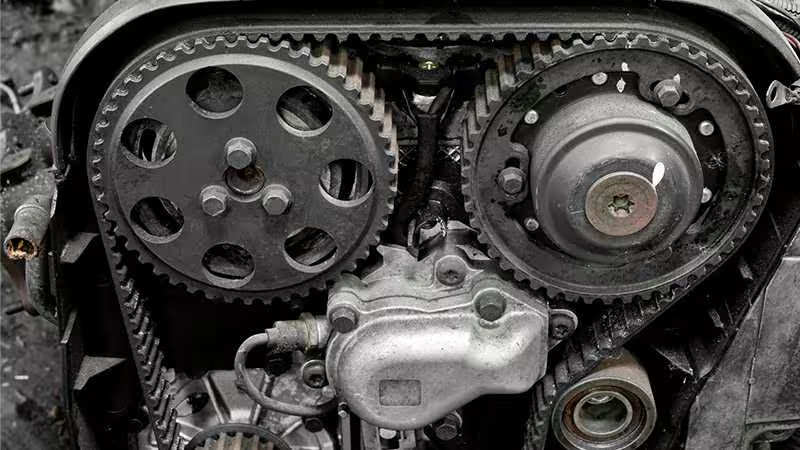
It is very difficult, if not impossible, to accurately estimate the lifespan of an engine. The longevity of automotive parts, including the engine, depends on many different factors. However, it is almost impossible. Therefore, once you know the factors that affect your engine’s lifespan, you will be better able to predict its potential longevity.
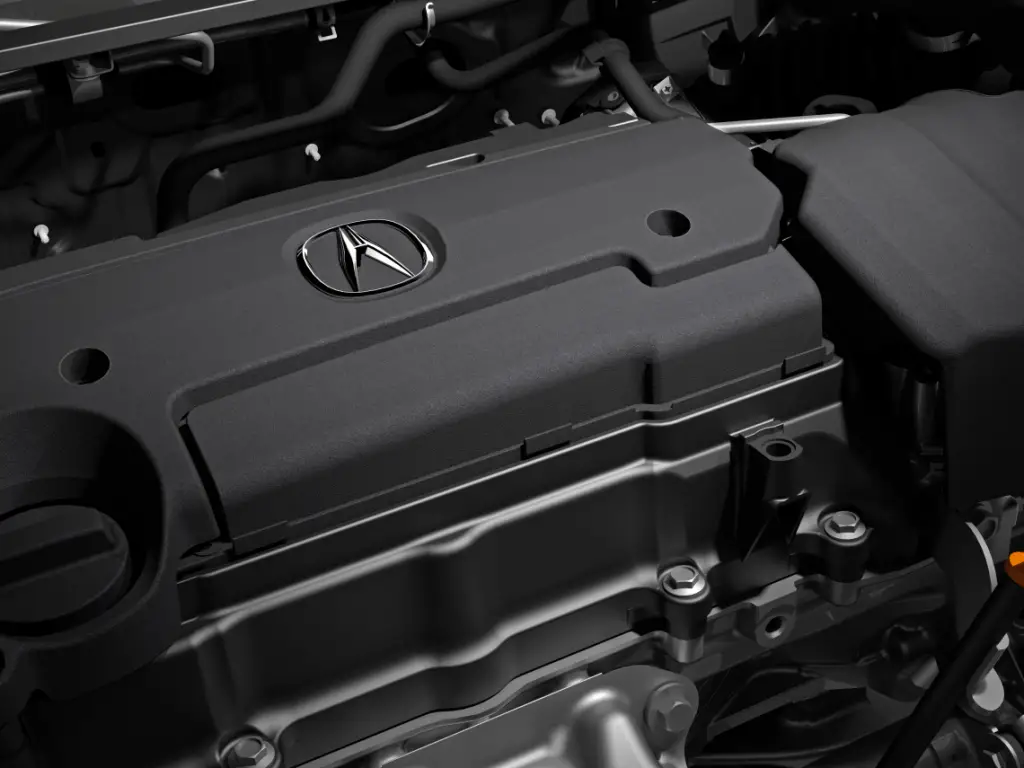
What factors influence engine lifespan?
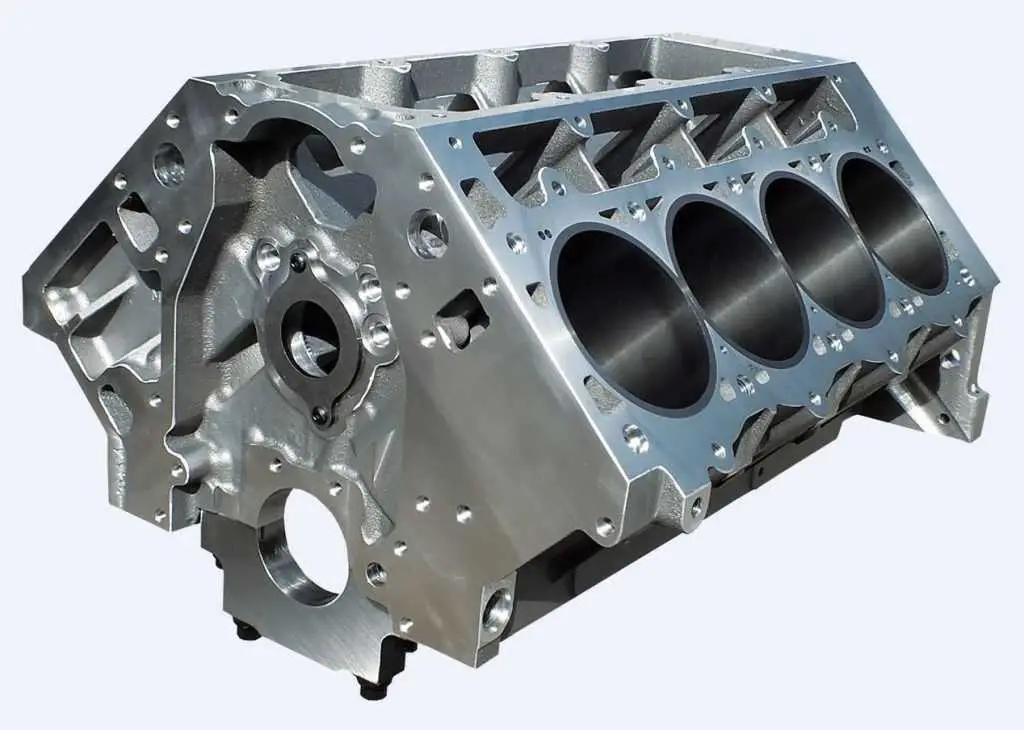
The first factor that affects your car engine’s lifespan is its composition. Car engines are made of several different metals, but the most common are iron and aluminum. In fact, some engines are made from a combination of 2 or more metals. Many trucks have engines with iron blocks and aluminum cylinder heads. Generally, iron block engines tend to be more durable and last longer than other types of engines because, year after year, iron is strong enough to withstand the incredible heat that an engine is capable of producing.
The next factor to consider when determining a car engine’s lifespan is the region where you live. If you live on a hill, your engine wears out faster because you regularly have to drive over rough terrain. Your engine undergoes more stress and will likely not last as long as if you usually drove on flat, smooth roads.
Another factor that affects the average lifespan of an engine is how the vehicle is driven. The harder an engine has to work, the shorter its lifespan tends to be. Another factor to consider is the tires. Your efforts to maintain your car will influence your car’s performance. If you maintain your car frequently, there is no reason why your car shouldn’t last a long time.
What is the average lifespan of a car engine?
As you are curious about how long engines last, we would say that there is no absolute rule in this matter. But the average lifespan is about 8 to 9 years or 150,000 to 170,000 miles. The new car models with innovation have extended the engine longevity to 10 years or 200,000 miles as an equivalent. Considering an engine’s lifespan will give you a basic estimate of its longevity. For example, as we estimate the average engine lifespan to be 10 years, and a car can travel 15,000 to 20,000 miles per year, three-year-old cars will have 45,000 to 60,000 miles.
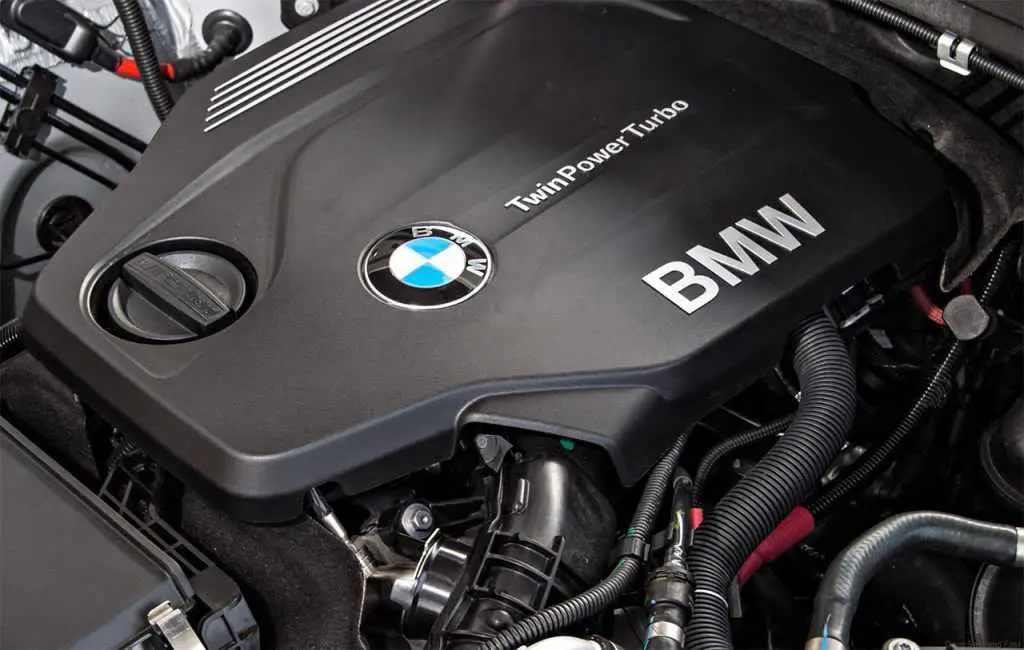
How to extend your car’s lifespan? How to make your car engine last longer
You now know how long engines last. How can you maximize your car’s lifespan? The engine is an important part of a car, but if you want to preserve it and use it effectively, not everyone has the necessary knowledge to do so. Simple mistakes or certain difficult situations, if you don’t know how to handle them, can lead to unwanted damage:
- First, take your car to the mechanic regularly for maintenance. This is the key idea for making your car last a long time. Frequent maintenance will help your car resolve any issues in time, so you will save on costs and also protect the engine’s lifespan. Only an automotive doctor understands your car’s problem. They are experienced technicians who can assist you in all areas, from transmission repair to routine maintenance. Whatever type of service you need for your foreign car, they are there to help you.
- Second, since how you drive your car affects the car’s engine, be cautious when driving a car. Applications such as towing heavy loads, repeated extreme acceleration and deceleration, revving the engine beyond its redline, or driving at top speed for long periods can all reduce an engine’s lifespan. Therefore, try to avoid bad roads and drive your car carefully to increase your car’s lifespan.

- The most important thing for improving your engine’s lifespan, as well as your vehicle’s, is how the driver takes care of it, including changing the oil as well as performing regular maintenance as recommended by the manufacturer, and replacing spare parts at the right time, as indicated on the car’s dashboard. This not only helps extend the engine’s lifespan but also allows the vehicle to run stably and save fuel.
- In addition to changing the oil regularly, also consider using a quality oil of the appropriate type and clear origin when replacing the engine oil. Regularly clean the engine under the hood and clean the air filter to ensure optimal air circulation in the engine.
Summary
Most motorists still wonder how long engines last. In general, the average longevity of a car is about 8-9 years, or even 10 years for new models. But it depends on many factors to estimate this figure, such as the engine material, how you drive it, or how you maintain your car. We recommend taking your car to a trusted garage for maintenance to ensure your car’s long lifespan. Remember to follow our blog for a better understanding of your car and maintenance tips.