
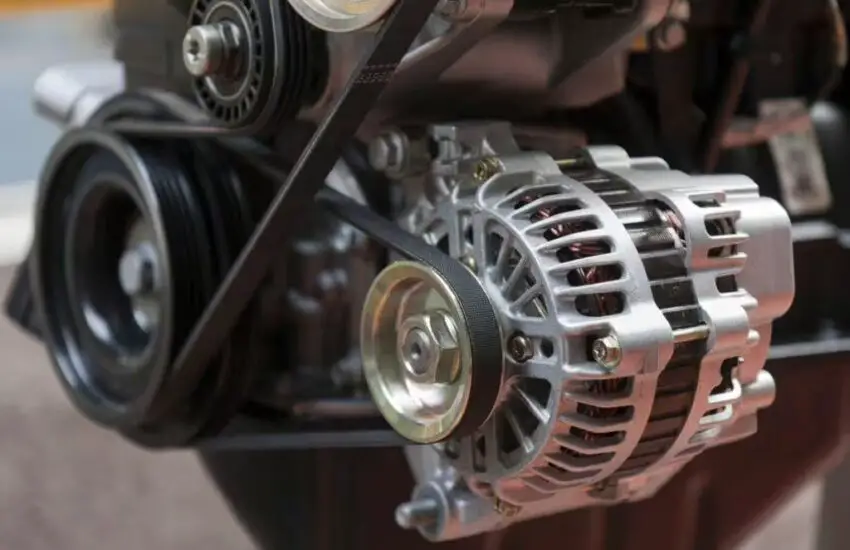
The alternator is an essential component of your car. Using the engine’s power, it recharges your battery and prevents it from discharging and dying. It also provides power to your car’s electrical components, such as the headlights and GPS systems. But how long do alternators last from when the car is new? What factors contribute to the longevity of this important component?
The alternator is an automotive part that requires regular attention because if it fails, you may not be able to start your engine. If your alternator fails, it’s highly likely you’ll need to replace it. Discover how long alternators last, what affects their lifespan, when to replace them, and other maintenance tips.
What Contributes to the Alternator’s Lifespan
An alternator produces alternating current (AC), unlike the generator in older vehicles, which produces direct current (DC), hence its name. Cars equipped with an alternator use a diode pack to convert AC to DC, which the car’s electrical system components need to function.
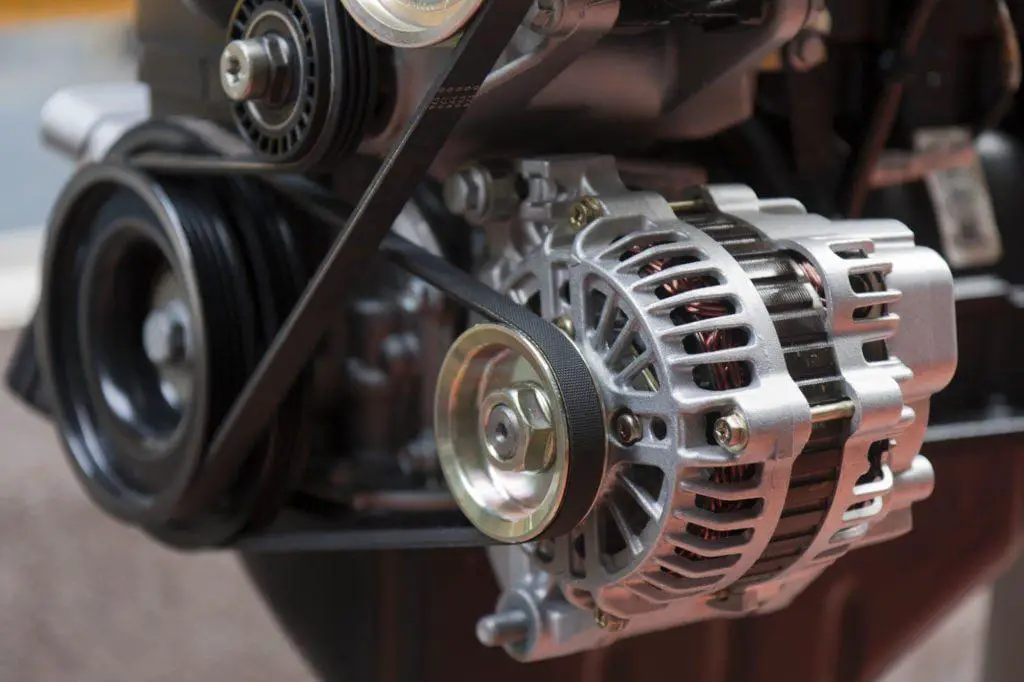
The main role of the alternator is to prevent the battery from losing its charge and dying because when the battery dies, all the electrical components in your vehicle don’t receive the necessary power to operate.
A few decades ago, the alternator only powered your headlights and a few basic electrical accessories like your radio. In contrast, modern vehicles are now fully equipped with a multitude of accessories.
GPS navigation systems and entertainment systems, for example, consume a lot of power. Additionally, you probably have an onboard navigation system, power windows, power mirrors, and maybe even heated seats. All these elements together consume a lot of power from your alternator.
In short, your alternator works all day, throughout your entire journey. The more electricity you consume with all these accessories, the harder your alternator has to work, and thus, the shorter its lifespan.
How Long Do Alternators Last
Generally speaking, depending on whether you maintain your vehicle appropriately and regularly, you can expect the average lifespan of an alternator to be between 40,000 and 100,000 miles.
Many factors can affect the lifespan of your alternator, so it’s hard to say for sure how long you can expect it to last. However, the alternator typically won’t last as long as your car.
For one, the alternator’s rotor spins on a needle bearing, a component that can break due to wear and tear or dirt buildup. The diodes in the voltage regulator can also fail. Additionally, engine heat puts enormous pressure on the alternator, as it does on other components under your car’s hood.
Can I Drive with a Failed Alternator?
Technically, the car can still run, but only for a short period, as it uses only the energy stored in the battery. You might get a quick start with the help of a friend or a helpful passerby with jumper cables, but the car won’t last very long with a failed alternator.
It is also extremely dangerous to drive this way. This is because a car with low electrical power doesn’t have enough “food” to power many components necessary for its operation. Remember that a number of other important car parts also consume power: headlights, brake lights, interior lighting, engine control unit (ECU), etc.
Even if you’re lucky enough to avoid accidents, you risk getting stuck in the middle of the road due to a failed alternator. If alternator problems manifest on the road, especially during a long trip, your safety is compromised. You should test the alternator and battery at regular intervals, for example, every 4 to 6 months.
Once you encounter one or more of the telltale signs below, you should try to get to an auto repair shop immediately.
Signs Your Alternator Is Wearing Out
Below are the most common symptoms of a failing alternator:
- Warning light on the dashboard: Usually, this light is shaped like a battery, or in some cases, it’s labeled “GEN” (for “generator”) or “ALT” (for “alternator”);
- Dim headlights. This is because the headlights and other parts that use electricity don’t have enough “power” to function normally;
- Interior lighting: the dashboard gradually dims while the car is running;
- Loss of power to various electrical accessories, such as the air conditioner, when your car is idling;
- A radio hum in the speakers. This is a sign that the alternator’s diodes are not in good condition and are leaking energy in the wrong places.
- You hear a screeching noise coming from the front of the car when the engine is running;
- Slow cranking;
- The car doesn’t start at all.
Alternator Maintenance
If you encounter these issues, resolve them immediately. Follow this guide to learn how to test an alternator in less than 10 minutes at home to ensure hassle-free driving. After all, it’s pointless to know how long alternators last without seeking ways to maximize their lifespan. And it’s much easier and cheaper than you think.
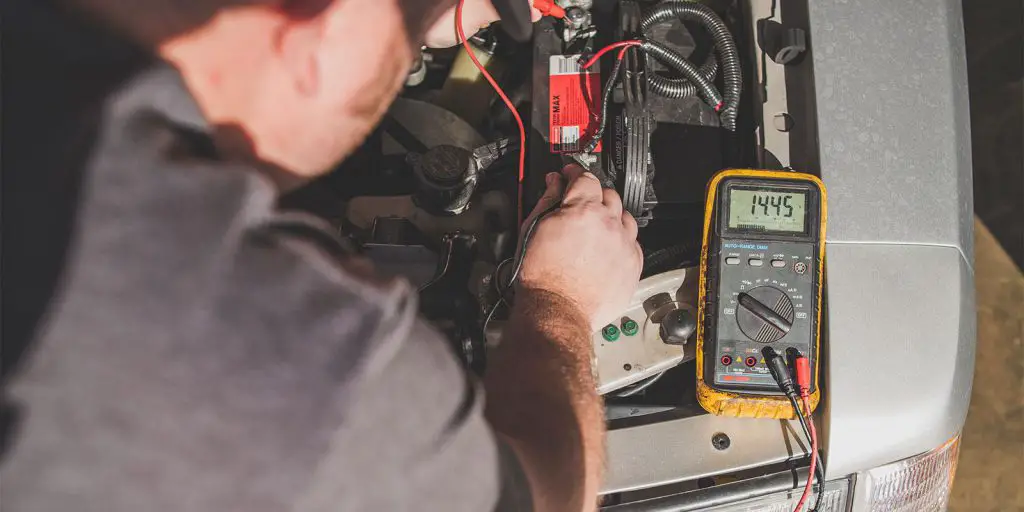
There are several ways to test the condition of your car’s alternator. One of them is to use a multimeter, while another common method is to use a digital voltmeter. The multimeter measures a number of different electrical properties, including voltage, current, and resistance, while the voltmeter is used to measure electrical power. Both are available at almost any auto parts or electronics store and typically cost between $10 and $20.
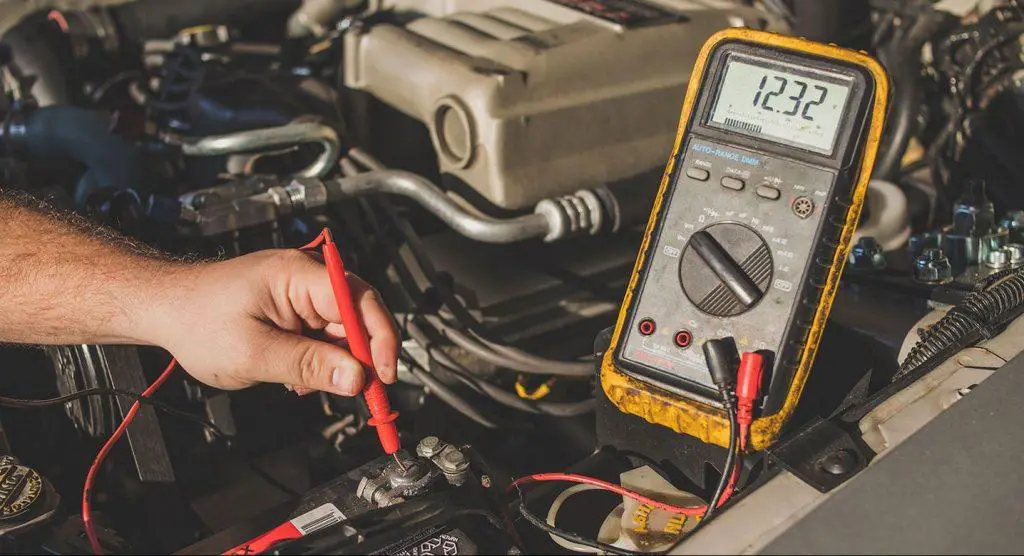
It’s important to always test the battery first when checking the condition of your alternator. To test an alternator, you must first test the battery. This is because the battery allows the car to start; when the car is running, it spins the alternator, and this spinning keeps the battery charged. If the battery is too weak, it won’t start the car, and any subsequent test to check the alternator will therefore be useless.
Among the above symptoms of a failing alternator, if slow cranking only happens early in the morning, the battery is likely the cause. In contrast, if the slow cranking problem occurs while the car is running, meaning when the engine is warm, the alternator is more likely to be the culprit.