
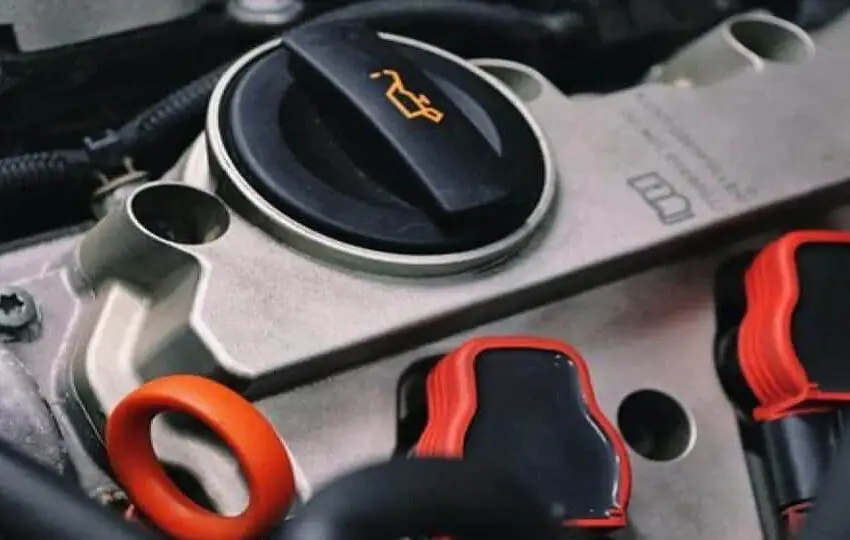
Regular maintenance is crucial to ensure the proper functioning and longevity of the various components of a vehicle. It also helps avoid costly and unexpected repairs. Among these maintenance tasks, oil changes are one of the most important. Engine oil plays an essential role: it lubricates and cools the moving parts of the engine, thereby reducing friction and wear.
What is the recommended interval between oil changes?
The standard frequency of 5,000 km or every 6 months is a good rule of thumb. However, modern vehicles, equipped with advanced technologies and high-quality synthetic oils, can often go between 10,000 and 15,000 km, or even more, between oil changes. For an accurate answer, it is essential to consult your vehicle manufacturer’s maintenance manual, which specifies the recommended intervals for your model.
Signs that an oil change is needed
The engine oil warning light comes on
If the oil light on your dashboard illuminates, it is a critical warning signal. This may indicate that the oil level is too low or that there is insufficient oil pressure. It is imperative to check the oil level and quality immediately.
The oil is dark and gritty
New engine oil is typically amber in color and fluid. Over time, it darkens and thickens due to combustion residues and impurities it collects. If, on the dipstick, the oil is very dark and appears to contain particles, it is high time to change it.
Abnormal engine noises
Aging or insufficient oil loses its lubricating properties. You may then hear knocking, tapping, or metallic friction noises coming from the engine, signs of abnormal and dangerous wear on components.
Excessive exhaust smoke
If bluish or thicker-than-usual smoke comes out of the exhaust pipe, it may be a sign that oil is burning in the combustion chamber, often due to a sealing issue.
A drop in performance
An improperly lubricated engine has to work harder. You may notice a loss of power, less responsive acceleration, or an abnormal increase in fuel consumption.
Conclusion
Don’t take risks with your engine’s health. Adhering to recommended oil change intervals and being attentive to warning signs is the best strategy to prevent major breakdowns and ensure your vehicle’s long-term reliability.