
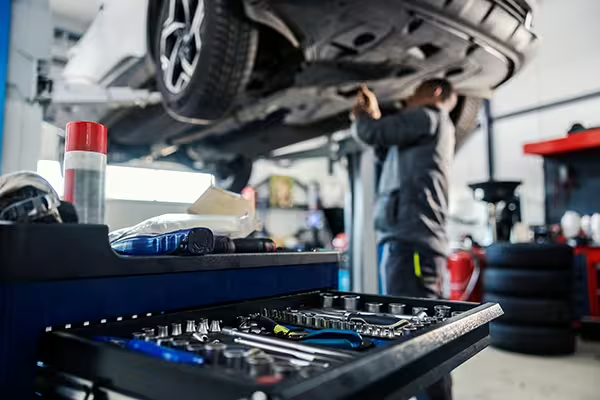
It’s a frustrating situation: you drop off your car at the dealership for a repair, and days turn into weeks. And you want to know exactly how long a dealership can keep your car for repair?
The answer lies in the complex nature of the repair, the availability of parts, and the dealership’s workload!
How Long Can a Dealership Keep Your Car for Repair?
Generally, dealerships typically have a maximum period of 30 days to diagnose and repair your car under warranty.
However, this timeframe is not always strictly adhered to, and some repairs may take longer.
Several factors can influence how long a dealership can keep your vehicle for repair. Complex repairs requiring specialized parts or tools can extend the repair time.
Furthermore, the dealership’s workload and the availability of technicians can impact the speed of service.
Therefore, it is important to maintain open communication with the dealership throughout the repair process.
Factors Affecting Repair Timelines
Now that you know how long a dealership can hold your car for repair, here are some factors that affect your car’s repair timelines at your dealership!
Repair Complexity
The complexity of the repair has a significant impact on the time required. Simple repairs, like an oil change or tire rotation, can often be completed within a few hours.
However, more complex repairs, involving engine or transmission issues, may require significant disassembly and specialized tools. These repairs can take several days, or even weeks.
Parts Availability
The availability of necessary parts can also influence repair timelines. If the required parts are in stock at the dealership, the repair can be completed quickly. However, if parts are out of stock or need to be ordered from the manufacturer, this can significantly delay the process.
Factors affecting parts availability include the car’s make and model, the specific part needed, and the manufacturer’s production and shipping schedules.
Dealership Workload
The number of vehicles currently being repaired at the dealership can affect the speed of service. If the dealership is experiencing a high volume of repairs, it may take longer to get to your vehicle.
Additionally, the availability of qualified technicians can influence repair timelines. If there are not enough technicians to handle the workload, this can lead to delays.
Manufacturer Repair Guidelines
Manufacturers often provide specific instructions and recommendations for repairs. These guidelines may include recommended repair procedures, specific tools to use, and even estimated repair times.
Although dealerships are generally required to follow these guidelines, deviations can occur due to unforeseen circumstances or the complexity of the repair.
Furthermore, manufacturers may set minimum or maximum repair timeframes, which can influence the dealership’s schedule.
Consumer Rights and Protections
When your car needs repair, you should not only know how long a dealership can hold your car for repair, but also be aware of your rights as a consumer.
These laws vary by state, but generally, they require the manufacturer to replace or buy back a vehicle if it has been repaired multiple times for the same issue.
In addition to Lemon Laws, the implied warranty of merchantability applies to all new and used vehicles.
This warranty ensures that the vehicle is fit for the purpose for which it is intended, meaning, in this case, driving. If your car breaks down or malfunctions repeatedly, this may constitute a breach of this warranty.
Dealerships have an obligation to keep customers informed throughout the repair process. This includes providing updates on the repair status, estimated completion times, and any unforeseen delays.
Negotiating Repair Timelines
Be mindful of Lemon Laws and the implied warranty of merchantability, as these laws can offer protection in certain cases.
By understanding your options, you will be able to negotiate more effectively with the dealership. Express your concerns and expectations clearly and respectfully.
If the dealership is unable to provide a satisfactory timeline, request alternative transportation or compensation such as loaner vehicles, reimbursement for a rental car, or discounts on future services.
It can be helpful to negotiate a deadline for the repair to ensure the dealership takes your concerns seriously. Set a reasonable deadline based on the complexity of the repair and the dealership’s workload.
If the dealership does not meet the deadline, be prepared to discuss consequences. This may include escalating the issue to a higher manager, seeking legal advice, or exploring other repair options.

Alternatives to Dealership Repairs
Although dealerships offer convenient service and a warranty, it can be advantageous to explore other repair options. Independent mechanics often offer competitive prices and personalized service.
They may have more flexibility in scheduling appointments and can offer a wider range of services. However, you must research and choose a reputable independent mechanic experienced in working on your specific car model.
When choosing an independent mechanic, consider the following:
- Reputation: Look for mechanics with positive reviews and recommendations.
- Experience: Ensure the mechanic has experience working on your car’s make and model.
- Certifications: Check if the mechanic holds industry certifications.
- Warranty: Inquire about warranties offered on repairs.
Mobile mechanics offer the convenience of on-site repairs. They can come to your home or office, saving you time and hassle.
These mechanics often specialize in specific types of repairs, like oil changes or brake repairs. However, they may have limitations in terms of the complexity of repairs they can perform.
Ultimately, consider the factors and weigh the pros and cons of each option to make a suitable decision.
FAQ
- Can a dealership charge me storage fees if my car is held for an extended period?
In some cases, if your car is left at the dealership for a long time after repairs are completed and you have not picked it up, the dealership may charge storage fees.
Clarify this upfront with the dealership to avoid unexpected charges.
- What happens if the dealership cannot repair my car within a reasonable time?
If a dealership cannot repair your car within a reasonable time, you may have options such as requesting a loaner vehicle, reporting the issue to the manufacturer, or even exploring Lemon Law protections, if applicable.
It’s worth asking the dealership about their policy in these situations.
- Can a dealership hold my car if there is a dispute over the repair bill?
In some jurisdictions, a dealership may hold your car if there is a dispute regarding payment for repairs.
This is often called a mechanic’s lien. It is important to communicate and resolve any billing disputes promptly to avoid this situation.
- How long can a dealership wait for a part before being required to provide me with an update?
While there is no universal standard, many dealerships are required to provide regular updates if there are delays in obtaining parts.
Ask the dealership about their communication policy for parts delays to stay informed throughout the process.
- If a recall repair takes longer than expected, can I demand compensation or a rental car?
If your vehicle is held for an extended period due to a recall repair, you might be entitled to a rental car or compensation, depending on the manufacturer’s policy and the nature of the recall.
Always inquire about what the manufacturer or dealership offers in such scenarios.
- What happens if a dealership damages my car while it’s in for repair, can they still hold it?
If a dealership damages your car during the repair process, they are generally responsible for repairing the damage.
The length of time the vehicle may be held depends on the extent of the additional repairs needed. In this case, you can negotiate compensation or other corrective measures.
- Can I request a written estimate of how long it will take to repair my car?
You can request a written estimate regarding the repair timeline. While this estimate is not legally binding, it can serve as a reference point.
If the dealership significantly exceeds the estimated time, use this as a basis to request a status update or explore other options.
- Can I retrieve my car before repairs are finished if I decide to go elsewhere?
Yes, you generally have the right to retrieve your vehicle before repairs are completed, although you may have to pay for any work already performed.
Communicate clearly with the dealership if you decide to take your car to another mechanic.
Final Words
Understanding how long a dealership can hold your vehicle for repair and the factors that influence repair timelines is essential for managing expectations and protecting your rights as a consumer.
When dealing with dealerships regarding repairs, be proactive, voice your concerns, and negotiate reasonable deadlines!