
A closer inspection of the underside of your car will reveal a series of tubes running from the engine to the rear of the car.
This is the exhaust system. It is essential for expelling hot burnt gases from the combustion chambers.
From the catalytic converter, you go to the muffler then to the exhaust pipe. Mufflers are used to reduce the noise passing through the exhaust.
They do this by allowing gases to expand slowly. The temperature of the exhaust muffler is typically between 300 and 500 degrees, but they are also known to handle higher temperatures up to 1200 degrees. Extreme exhaust temperatures can destroy the catalytic converter.
Exhaust System Temperatures
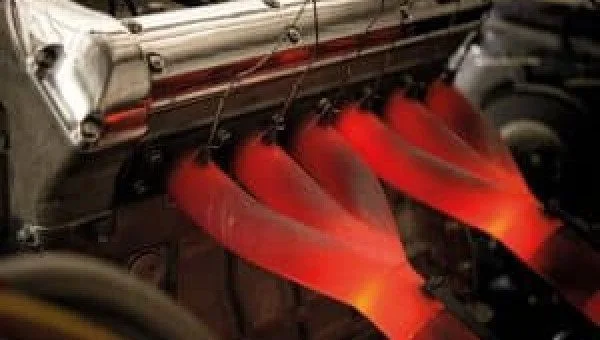
Although the average exhaust temperature is 300 to 500 degrees, you can still encounter temperatures as high as 1200 whenever there is a constriction in the exhaust system. You should be on the lookout for bends in the exhaust pipe. Due to contact with other cooler parts of the car, the exhaust has an opportunity to cool down.
The catalytic converter often reaches a temperature of 750 degrees. However, if you have more unburnt gases leaving the combustion chamber or if one of the cylinders is not working, you will notice a considerable increase in temperature.
Exhaust muffler temperatures peak when the car is on the road rather than when idling. This is due to the high RPM; however, temperatures can also rise due to inefficient combustion of gases.
You can use an exhaust gas temperature gauge to measure the heat of the exhaust. Use the device with an oxygen sensor.
How does the exhaust system work?
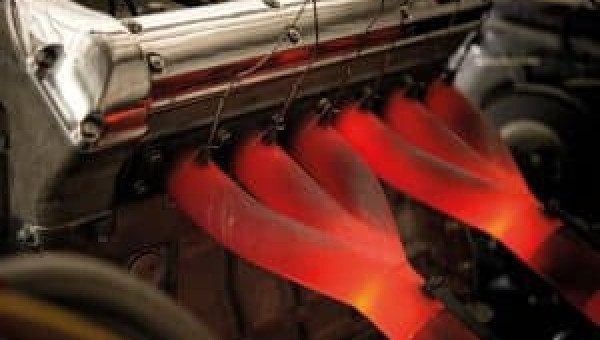
To understand the temperature of the muffler, you need to understand how the exhaust system works. The system includes the exhaust manifold, resonator, catalytic converter, muffler, tailpipe, and exhaust pipe. The process of removing exhaust gases begins at the exhaust manifold. Here, gases from the combustion chamber are channeled from the engine into the exhaust pipe.
The manifold is made of cast iron, which allows it to handle hot gases. The catalytic converter is next; its purpose is to remove all harmful emissions from the exhaust gases. This is done through a series of metal catalysts made from platinum palladium and aluminum oxide.
The catalyst reacts with the hot gases, which removes hydrocarbons and carbon monoxide from the exhaust gases. The byproduct is carbon dioxide and water which are less harmful to the environment.
The resonator is similar to the muffler. Its job is to reduce the noise from the exhaust pipes. The resonator is filled with sound-dampening materials. A series of pipes connects the different parts of the exhaust system. The muffler reduces exhaust noise through a series of baffles. Here, sound waves are bounced back through the baffles, causing them to lose their power and wavelength.
Other cars may have a muffler made of fiberglass or sound-absorbing materials. The last part of the exhaust system is the tailpipe. It is the part that extends outside the car; it releases the exhaust gases into the environment.
The exhaust system helps control the release of harmful gases into the environment. Some of these include sulfur dioxide, hydrocarbons, carbon monoxide, lead, nitrogen oxide, and phosphorus.
Exhaust System Maintenance
Rust is one of the main causes of exhaust system malfunctions. Exhaust gases often come into contact with watery elements, and when combined with the hot gases, can lead to system corrosion. This problem often presents itself in the muffler where the exhaust gases are not hot enough to vaporize water deposits. This issue is more observed in areas experiencing heavy rainfall and snow.
If you drive a lot off-road or encounter potholes, it can lead to stress on the exhaust system causing parts to come loose. This loss of parts puts extra pressure on the muffler, and over time, it may detach.
What signs should you look for in a faulty exhaust system?
Loud exhaust: The very first thing you will notice when you have a faulty exhaust system is that it emits a whining sound. This worsens when you are driving. The problem could be that your muffler has developed cracks. If not addressed immediately, the problem could spread to other parts of the exhaust system like the catalytic converter, leading to further engine issues.
Low energy efficiency: Whenever you encounter problems with your exhaust system, you will start to notice that your car consumes more fuel.
Fumes leaking into the car: An efficient exhaust system will expel exhaust gases through the tailpipes. But, when you notice fumes entering the car, it may be leaking. Exhaust gases are laden with carbon dioxide, which could cause health problems for the car occupants.
Condensed exhaust pipes: Once the exhaust gases leave the catalyst, they are transformed into carbon dioxide and water. This water, when it condenses in the muffler, can cause it to rust which will lead to further leaks.
Once you start noticing some of these signs, it is safe to take your car to the mechanic and avoid further damage. Your gas consumption may increase and the exhaust noise can be bothersome.
Conclusion
The exhaust system plays a crucial role in removing exhaust gases from the engine. The air/fuel mixture after combustion produces harmful byproducts that can harm the environment. This is why the exhaust system comes with the catalytic converter which captures these gases leaving carbon dioxide and water.
Exhaust muffler temperatures can be extremely high – sometimes reaching 500 degrees – but the exhaust system is well capable of withstanding temperatures up to 1200 degrees.
It is essential that your exhaust system is checked the moment you start hearing a whine accompanied by increased fuel consumption. The muffler can rust due to water condensation and later develop cracks. Carbon dioxide leaks can be harmful to the car occupants, and that is why you should have your exhaust checked immediately. Understanding the functions of each part of the exhaust system is essential when you are considering making modifications.