


All metals are capable of undergoing a complex electrochemical process. This process can easily lead to the deterioration of their aesthetic and physical properties. In short, corrosion can weaken the structural integrity and strength of a metal, making it less aesthetically pleasing. The material used in automotive construction is metal.
As such, cars have a higher risk of corrosion. Therefore, any sensible car owner must learn how quickly rust spreads on a car and how to prevent it from becoming incurable. This not only preserves the vehicle’s longevity and structural integrity but can also help maintain the overall aesthetics and value of the car. So let’s dive into rusty insights with Car From Japan right now.
How Quickly Does Rust Spread on a Car
A rusty car will never bring car owners a pleasant experience. If your car is at risk of rusting or if you feel suspicious about certain spots, you need to keep a close eye on these areas to ensure you are ahead of the rust, not the rush itself.
We will show you some common reasons that contributed to the speed at which rust spreads on a car:
- The cleanliness of metal parts
- The grade of steel used
- Presence of contaminants in the metal
- The electrolyte on metal surfaces
- Temperature
- Aerobic and anaerobic factors
Rust spots can appear anywhere on a car’s body. Since oxidation can form inside car parts or metal components and spread quickly, you need to know that the car’s rusty surface is just the beginning of the problem. The bubbling of the outer paint is one of the visible signs of corrosion, so keep a close watch.
There are a few vulnerable spots on your automobile that you should pay special attention to. You should inspect the following components on your vehicle to have a chance to prevent rust as soon as possible.
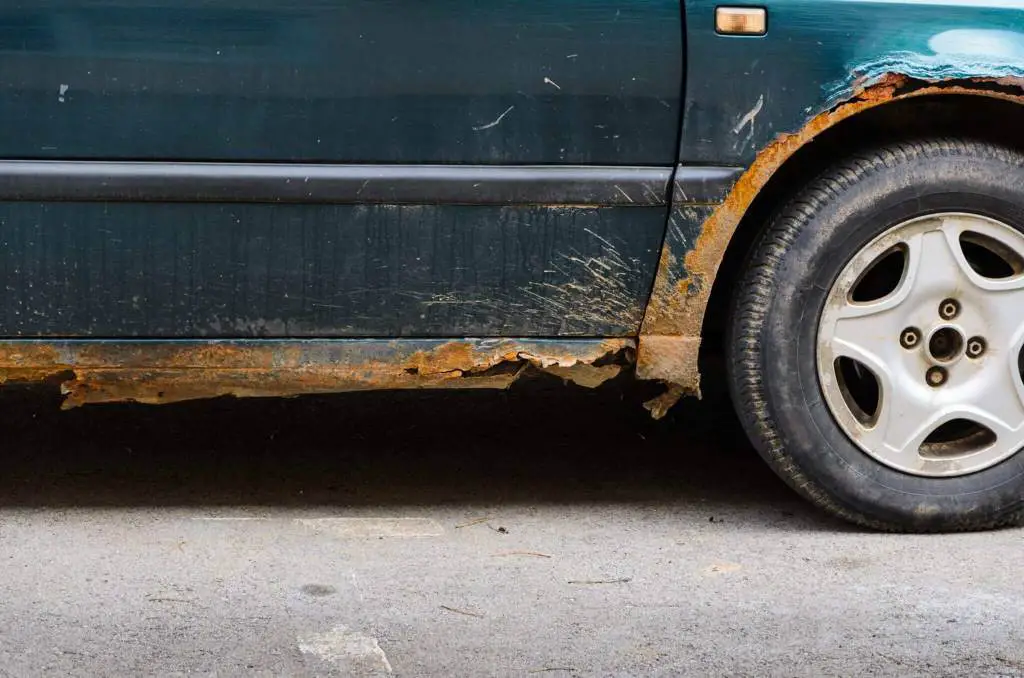
- Car frame rails. These are the rails that run under the doors on both sides of an automobile.
- Wheel arches: The curves above your tires are prone to rust, especially in cars used for a long time without wheel arch liners.
- Exhausts: Moisture from inside and outside the vehicle can accumulate in your exhaust pipe, which can be trapped by mud and debris.
- Suspension. Due to its proximity to the tires, which kick up dirt and other particles under the automobile. This part is prone to contact with moisture.
- Car floor. Make sure to clean your carpet and inspect the underside for signs of rust.
- Windshield/Windscreen. Prone to contact with the environment and long-forming chemicals.
- Doors. Check both inside and outside for that nasty dark flaky orange area that rust produces.
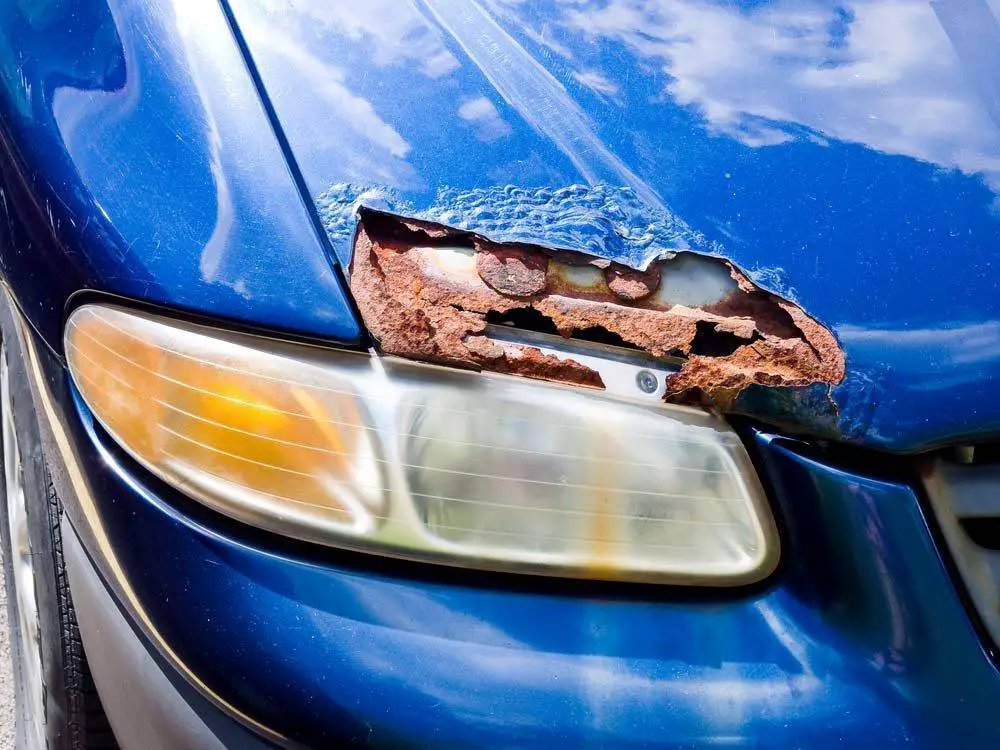
The car’s exterior is often primarily made of steel, meaning it can start to rust in as little as 5 to 6 days. However, this fast rusting timeframe is rare. Unless the car’s paint is scratched, damaged in a few places, or the car is old, some may take a few months for things to change.
However, some climates will make your car rust faster than others. For example, if you live near the sea, the salty air will cause the vehicle to rust faster and even more severely than a vehicle operated in the desert.
The secret to preventing rust on a car
Here are some notes to help stop or at least minimize the rusted area on your car.
Perform Regular Car Rust Checks
One of the first things you need to do is perform a thorough inspection of your vehicle. The best way to prevent rust is to ensure you have nothing for it to occur. If there are already rust spots on your car, then prevention will be less effective. Therefore, when detecting rust, you must handle it immediately to prevent this process from happening more quickly and spreading to other locations.
Car Wheels and Rims
To check for rust locations on the car, it’s best to start with the bumper and rims. These areas are easy to overlook because they may not be easy to see. The main issue is that some parts of the car may have a lot of dirt that can cover any rust developing underneath.
You may want to remove the tires one by one to check. This will give you a better view of each wheel. First, clean the inner wheel by spraying it with water. Make sure to dry the surface thoroughly before proceeding with the test. Shine a beam of light on the inner surface of the wheel to help visualize areas of rust or corrosion. While you’re at it, make sure to check the inner surface of the housing as well.
Areas Where Vehicle Parts Connect
Another area where you might want to check for rust is any part where two components, constructions, or materials are connected. These can include door frames, the area between the fenders and hood, and bumpers added after purchase. To prevent rust, manufacturers apply paint to eliminate the risk of friction between two metal surfaces. Unfortunately, with constant rubbing action, the car’s paint can wear out faster than you think. This exposes the underlying metal and causes it to rust. Look for signs of bubbling paint, as rust may have developed under that bubble.
Drain Hole
Modern cars always have drain holes in the passenger cabin floor. They are typically found along the bottoms of the rocker panels and doors. Drain holes facilitate the drainage of rainwater. If your car is equipped with a sunroof, you know that a clogged sunroof drain tube is a frequent issue. Removing obstructions in these drain holes and drains will help prevent water accumulation in your vehicle.
If your car’s floor is flooded, quickly go to professional car maintenance centers to perform interior car cleaning services.
The Underside of the Car
One last area you need to check regularly is the underbody of your vehicle. This part of any car receives the most abuse every day. They are exposed to a lot of road salt, winter de-icers, moisture, and other elements that can accelerate rust formation. The best time to check for rust on the underside of your car is during a car wash or a comprehensive seasonal inspection. Additionally, you should also check the engine compartment to prevent the rust layer from affecting the engine bay.
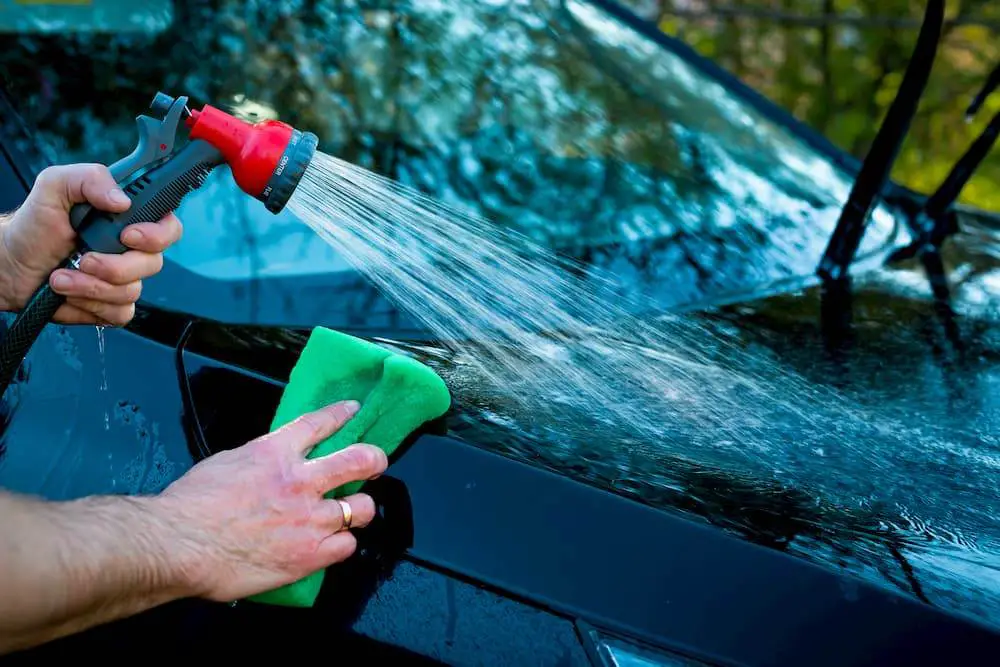
If you want to prevent rust from forming or spreading, you need to get into the habit of washing more frequently. Washing your car should always require a very thorough drying of all wet parts. Residual moisture on all metal surfaces of your vehicle can cause rust.
It’s important to understand that dirt itself will not cause corrosion. However, it can rub against the car’s protective paint. The paint is not very thick. With constant friction from road debris, this thin protective coating can also wear away. And that’s when corrosion can develop faster than ever.
Bird droppings may seem like benign organic matter. But the organic compounds present in these animal droppings can also cause a chemical reaction on the vehicle’s clear coat. The same goes for automotive fluids such as brake fluid, automatic transmission fluid, and fuel, among others. If any of these fluids spill onto the vehicle’s metal parts, corrosion is likely.
Of course, the rust we’re talking about will develop over time, not overnight. So it’s crucial to clean your car and wash it occasionally; a weekly frequency may be ideal. This act will help remove dirt, sand, and road debris that may have accumulated in hard-to-reach areas like wheel arches. The inside of the bumper as well as the underside of the car are also areas that need to be washed very thoroughly.
If you notice bird droppings or chemical spills on your car, don’t wait a few weeks before starting to wash it. These chemicals and compounds can eat away at the paint that protects your vehicle.
To learn how to prevent rust on cars, regular and frequent washing often helps. However, a more important operation after washing is drying the car. Under no circumstances should you leave your vehicle wet. It’s an open invitation for rust to start forming.
And since you’re prepared to wash and dry your car, you can also invest in the best anti-rust sprays for cars. Waxing your car after washing also benefits it greatly. This provides a smooth surface layer acting as a barrier between the body paint and water.
It’s also wise to keep the interior surfaces of your car dry and free from moisture. If there are spills in the cabin, dry them all at once. Don’t let water sit for a long time on the floor as this can lead to rust on the car floor. Let’s combine cleaning under the engine compartment!
All modern automobiles undergo intensive application of anti-rust technologies even before reaching the assembly line. Some manufacturers apply multiple layers of anti-corrosion car paint on the body. Some carmakers apply phosphate-converted chassis coatings, while most quality underbody coatings must use a zinc coating as it is cheaper.
However, as we mentioned, exposure to the elements can corrode a vehicle’s paint. Similar compounds can interact with an anti-rust treatment. So it’s a good idea to apply one of the best anti-rust sprays for cars that you can buy.
Before applying these products to your vehicle, make sure you have first cleaned, washed, and dried your vehicle. It makes no sense to apply rust protection to a car on surfaces containing dust particles. So you should always follow the product instructions for the smoothest process and best result.
What to Do When the Car Starts Showing Signs of Rust?
If you detect signs of corrosion on your vehicle, you need to take care of it immediately. Hesitating or waiting for it to get worse will prevent you from maintaining your car’s integrity, and you won’t have to waste more time after fixing the issue.
There are rust repair kits available on the market. Be aware that these products only work on minor rust. These remove rust to prepare the surface for a replacement primer application. If you don’t wish to use such a rust repair kit or if the rust is more severe, you can use sandpaper instead.
- Start with 180-grit sandpaper, then 320-grit, before finishing with 400-grit. This will help remove rust from the surface while smoothing it as a final step.
- After removing the rust, you can apply a primer to the affected area. Let it dry completely. Then, get a car paint touch-up that matches the body color. Apply the paint according to the manual instructions.
- The final step in managing minor rust on your vehicle is applying a high-quality clear coat. You can buy a clear car coat spray at your automotive supply store. Again, follow the coating instructions to facilitate the process and save you more time.
A quick reminder is that you can repair minor rust areas on your vehicle yourself. Nevertheless, if the corrosion is a bit severe that it has penetrated the body metal, or if there is significant damage, it’s better to have the body repaired by professionals.
Additionally, to prevent rust on your car, you need to clean it regularly with suitable methods and tools. You can also regularly inspect rust-prone areas to prevent and notice the problem first.
Overall, it’s always better to prevent it in advance rather than only fixing things after everything has happened before.
Conclusion on How Quickly Rust Spreads on a Car
We’ve gone through some important information about how quickly rust spreads on a car. We hope you have a better understanding of this issue and will prepare well for any rusty and dusty areas that may occur in the future.