
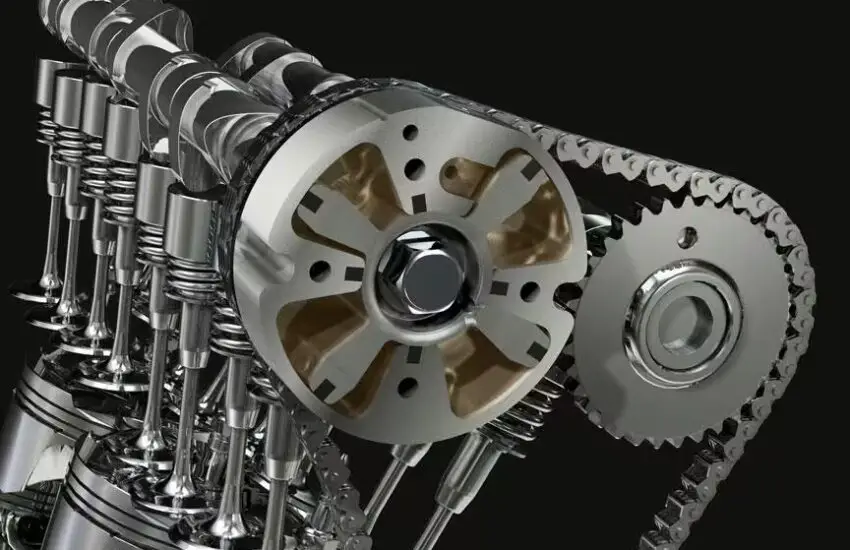
Modern cars are equipped with numerous sensors and gadgets, and their operation is managed by a central computer system. Under the hood, a lot is happening, even without you needing to know about half of these components.
However, if you are passionate about cars, it is essential to understand some key elements, including variable valve timing (VVT).
What is variable valve timing?
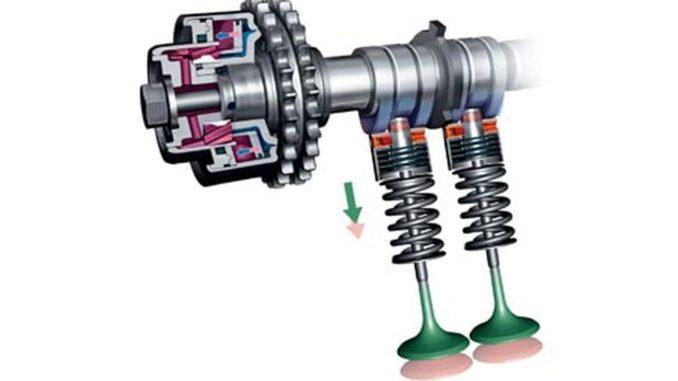
Variable valve timing systems are located in the internal combustion chamber of an engine. Their role is to adjust the timing of valve opening and closing, in coordination with the valve lift system.
This component is crucial, as optimal use of VVT can improve engine performance, increase energy efficiency, and reduce emissions.
Two-stroke engines do not use VVT, but they rely on power valve systems to achieve similar performance.
Essential VVT Components
The proper functioning of the VVT system and its components depends on the circulation of engine oil. If there is an issue with oil flow, all parts risk permanent failure.
The two main elements of this system are:
Solenoids
Each camshaft is equipped with a solenoid that controls oil pressure. This component adjusts the pressure based on engine load and speed, contributing to performance by improving or blocking the cam position.
Two main causes can lead to solenoid failure: irregular maintenance of filters and the engine, as well as low oil levels.
Gears
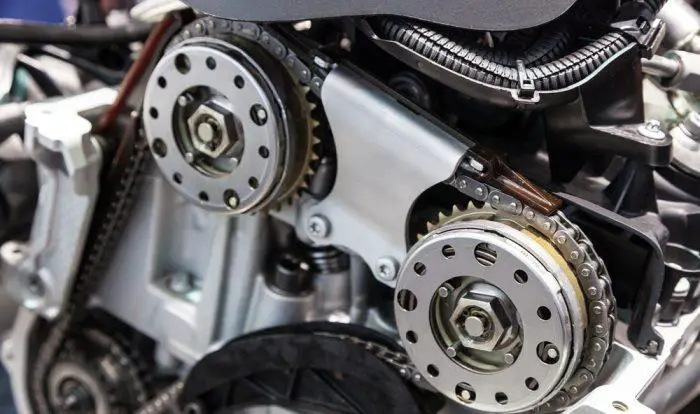
Also known as cam phasers, these devices maximize torque curves and enhance engine power. They ensure optimal performance while reducing emissions.
How Variable Valve Timing Works
In an engine’s combustion chamber, several valves regulate the intake and exhaust of gases in the cylinder.
Without VVT, valve timing remains constant regardless of engine speed, which limits performance. For optimal efficiency, timing must adapt to speed and load.
A variable valve timing system allows this adjustment based on the engine’s condition. There are mainly two types of VVT systems. Let’s take a closer look.
Cam Phasing
Cam phasing allows the camshaft to rotate over a range of 60 degrees, influencing valve lift timing. For example, a valve might open at 5 degrees and close at 185 degrees of the crankshaft, before and after top dead center. If the timing limits lift events by 10 degrees, the valve will open and close 10 degrees later.
This improves engine power at high speeds, while advancing the timing enhances power at low speeds.
Cam Changing
Cam changing adjusts the camshaft’s phase angle relative to the crankshaft as well as the shape of the camshaft lobes. These modifications affect the timing and duration of valve opening, allowing the engine to achieve maximum efficiency.
FAQ
Do VVT systems differ between manufacturers? Although all VVT systems operate on the same principle, manufacturers may use different mechanisms, such as hydraulic or electric actuators, influencing system responsiveness and efficiency.
Can variable valve timing improve fuel efficiency? Yes, VVT optimizes valve opening and closing times based on engine speed and load, enabling better fuel consumption and emission management without compromising performance.
How does VVT affect engine noise and vibration? By adjusting valve timing, VVT helps the engine run more smoothly, reducing noise and vibration, providing a more comfortable ride, especially at high speeds.
Does the complexity of VVT affect engine reliability? Although complex, regular maintenance ensures the VVT system remains reliable. Modern engines are designed to support this technology without compromising durability.
Is it possible to add VVT to an older engine? Adapting VVT to an engine not originally equipped with it is complex and costly. VVT systems are integrated into the engine design and electronically controlled, requiring significant modifications.
How does VVT work with turbocharged engines? VVT optimizes valve timing in turbocharged engines to better manage exhaust gas flow, improving turbo responsiveness and low-end torque.
What happens if a VVT system fails? VVT failure can cause performance issues, such as increased fuel consumption and rough idling. In some cases, the engine enters “limp mode” to prevent damage.