
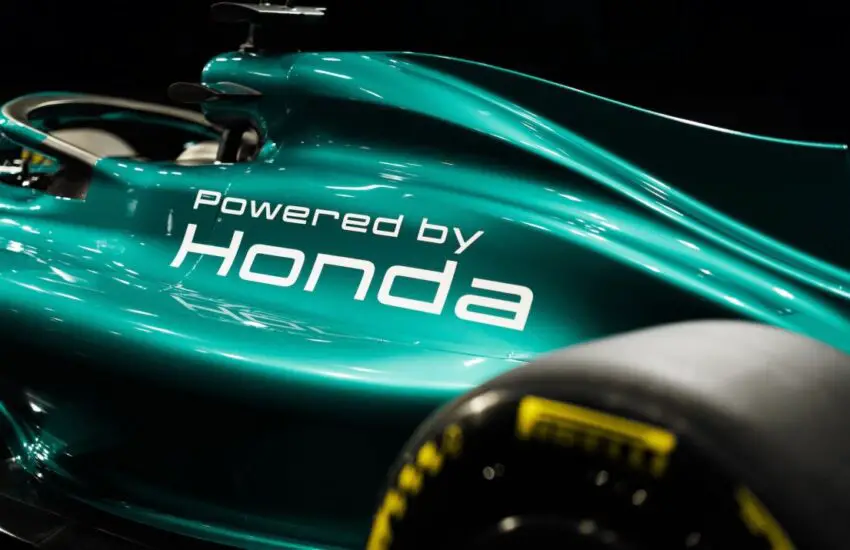
A Calculated Approach to Power Unit Development
As the 2026 Formula 1 season approaches, a clear philosophical divide is emerging between power unit suppliers. Honda has unveiled its RA626H power unit, signaling a commitment to a deliberate and methodical development path. This strategy stands in contrast to the more impatient stance of its partner team, Aston Martin, which is delaying the full reveal of its new car. Honda’s early technical disclosure highlights a confidence built on structured, long-term engineering.
The Significance of the RA626H Reveal
The presentation of the RA626H is more than a simple launch. It marks a pivotal moment for Honda’s global racing division, HRC, now consolidated as a worldwide entity. The new power unit features Honda’s latest corporate branding, symbolizing a renewed and focused commitment to Formula 1’s next era. By revealing the engine well before pre-season testing begins in Barcelona, Honda demonstrates a transparent and confidence-driven approach, aiming to build operational momentum with its technical teams.
Methodology Over Haste in a New Era
The 2026 season introduces sweeping new technical regulations, particularly for power units, with a greater emphasis on sustainable fuels and electrical energy. In this complex environment, Honda’s strategy prioritizes reliability and integration from the outset. A methodical development cycle allows for extensive simulation, bench testing, and iterative refinement. This reduces the risk of fundamental flaws that can derail a season, believing that a solid, reliable foundation is crucial before pursuing aggressive performance gains.
This patient philosophy will soon face its first real-world test. While Aston Martin’s delayed car launch suggests a race against time to optimize the chassis-engine package, Honda’s early engine freeze allows the team to focus on seamless integration. The success of either approach will ultimately be measured on the track, but Honda is betting that a disciplined, step-by-step process will provide the most sustainable path to victory in the demanding new regulatory landscape.