
Honda’s Push for Budget-Friendly Electric Vehicles
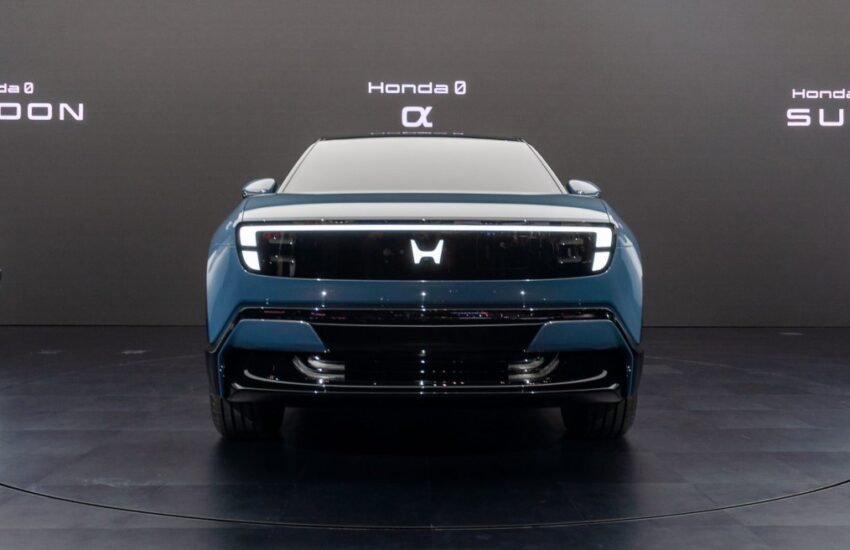
Honda is strategically positioning itself to introduce more accessible electric vehicles in the United States, with plans to launch the Series 0 SUV next year. While this model shares dimensions with the popular CR-V, its anticipated price point presents challenges for cost-conscious consumers. This move highlights the brand’s commitment to expanding its EV lineup while addressing affordability concerns in a competitive market.
CEO’s Vision for Electric Accessibility
During a recent presentation in Japan, Honda CEO Toshihiro Mibe outlined the company’s direction toward developing electric vehicles priced below $30,000. He emphasized that making EVs more affordable is crucial for widespread adoption and market competitiveness. Mibe’s comments signal a significant shift in Honda’s approach, focusing on combining innovative technology with cost-effective manufacturing processes.
Competitive Landscape and Market Positioning
The American electric vehicle market continues to evolve rapidly, with consumers increasingly seeking budget-friendly options. Honda’s strategy to introduce lower-priced EVs places it in direct competition with both established automakers and new entrants. By targeting this price segment, Honda aims to capture a broader customer base while maintaining its reputation for reliability and quality.
Future Production and Development Plans
Honda’s roadmap includes developing new platforms specifically designed for affordable electric vehicles. The company is investing in advanced battery technology and streamlined production methods to reduce costs without compromising performance. These efforts align with global trends toward sustainable transportation and demonstrate Honda’s long-term commitment to electrification.
Consumer Impact and Industry Implications
The introduction of sub-$30,000 electric vehicles from a major manufacturer like Honda could significantly influence consumer adoption rates. As more affordable options become available, the transition to electric transportation may accelerate across various demographic groups. This development also pressures other automakers to prioritize affordability in their own EV strategies, potentially reshaping the entire automotive industry.