
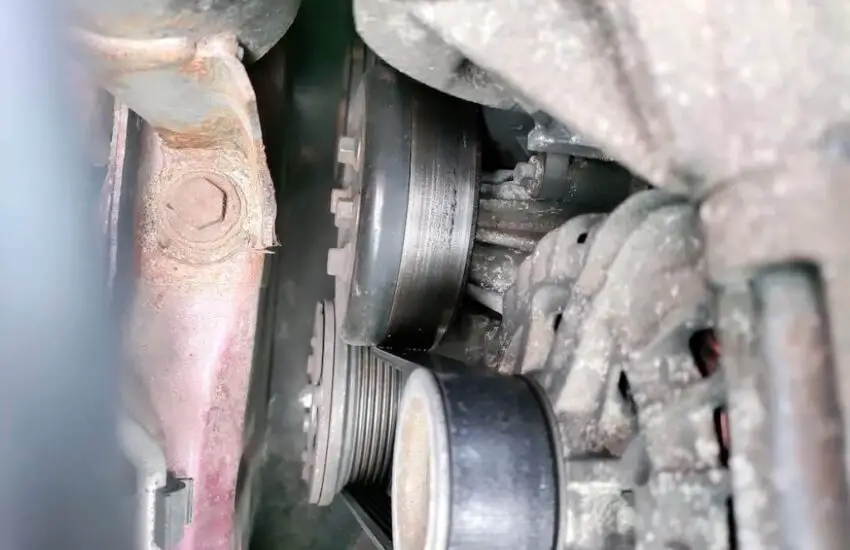
When a car is running, the engine operates at high speed. This means many parts are moving, and a high-pitched squeal from the car while moving can occur when something is out of place.
We have years of experience solving these issues and explain them in more detail below.
High-Pitched Squeal from the Car While Moving: What Could It Be?
When you hear a high-pitched squeal coming from your car while it’s moving, it’s natural to worry and wonder if there’s a serious problem. Although there could be underlying issues, sometimes it’s a relatively simple problem to fix.
It’s worth noting that many potential causes of this noise are related to the car’s belts and pulleys. When these components malfunction, your car’s performance can be affected, and this annoying high-pitched squeal can disrupt your driving experience.
Some of the most common reasons for this noise while driving include a worn fan belt (serpentine belt), a faulty alternator pulley, a slipping idler pulley, misaligned suspension, a defective V-belt, or worn wheel bearings.
Worn Fan Belt (Serpentine Belt)
One of the most frequent culprits behind a high-pitched squeal from a car while moving is a worn fan belt, also known as the serpentine belt. When this belt deteriorates, it can cause several car problems.
The serpentine belt plays a crucial role in power steering, so if it’s not working correctly, steering becomes more difficult. It’s essential to address this issue quickly, making it a good starting point for inspections.
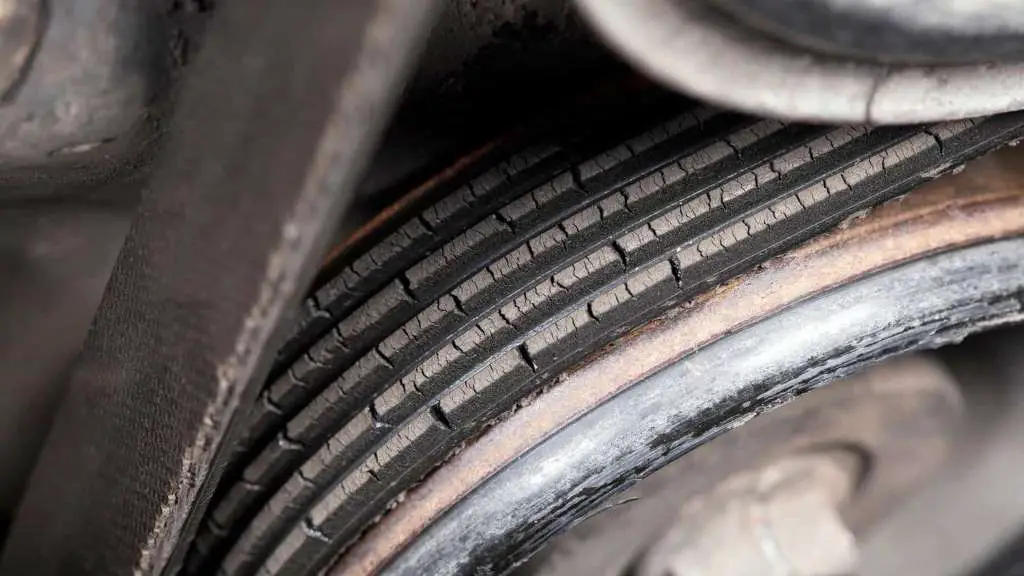
The belt may show signs of wear, such as cracks or misalignment. Additionally, some vehicles are equipped with both a timing belt or timing chain, which can also cause similar issues. Faulty belt pulleys can also contribute to these problems.
Faulty Alternator Pulley
A faulty alternator pulley is another potential source of a high-pitched squeal while driving. This pulley contains bearings that can wear out, producing the distinct noise you hear.
When the alternator pulley fails, it needs to be realigned or replaced entirely to ensure the belt functions properly. This issue typically has a minimal impact on the vehicle’s performance.
Slipping Idler Pulley
Another concern related to the high-pitched noise is a slipping idler pulley. The idler pulley is an engine component that provides tension and guides the engine drive belt, ensuring the proper operation of power steering and the water pump.
When this pulley slips, it can wobble and create the loud noise you’ve noticed. Driving with a slipping, erratic pulley is uncomfortable and should be addressed promptly.
Misaligned Suspension
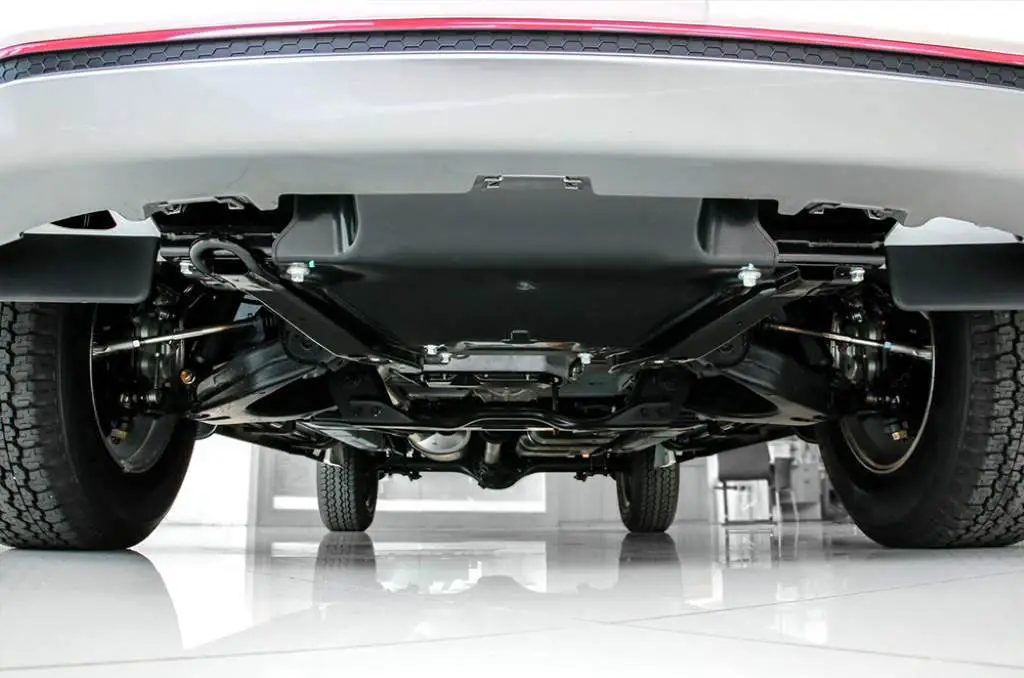
Misaligned suspension can also be responsible for the high-pitched squeal from the car while moving. This misalignment can result from damage to the suspension system or excessive wear.
Typically, worn springs or shock absorbers can lead to misalignment. As a result, the system loses lubrication, causing loud, high-pitched squeals during movement.
Defective V-Belt
The V-belt contributes to the tension of the drive system, and when it becomes defective or misaligned, it can produce a high-pitched squeal. Misalignment of this belt is a common but relatively easy issue to fix. Regular checks can help detect any tension-related problems.
Worn Wheel Bearings
Faulty wheel bearings can also be the cause of high-pitched squeals. This is a common issue on many cars and can be resolved by replacing the wheel bearing or even the wheels themselves.
The noise may vary depending on the vehicle’s speed, sometimes making it difficult to identify the potential cause. Nevertheless, properly functioning wheel bearings are crucial for long trips, such as road trips, and are essential for the vehicle’s durability.
It’s worth noting that other areas of the vehicle, like the alternator pulley, may also use bearings, and similar noises can occur if any of these bearings near the pulleys or belts are worn or damaged.
Worn Brake Pads
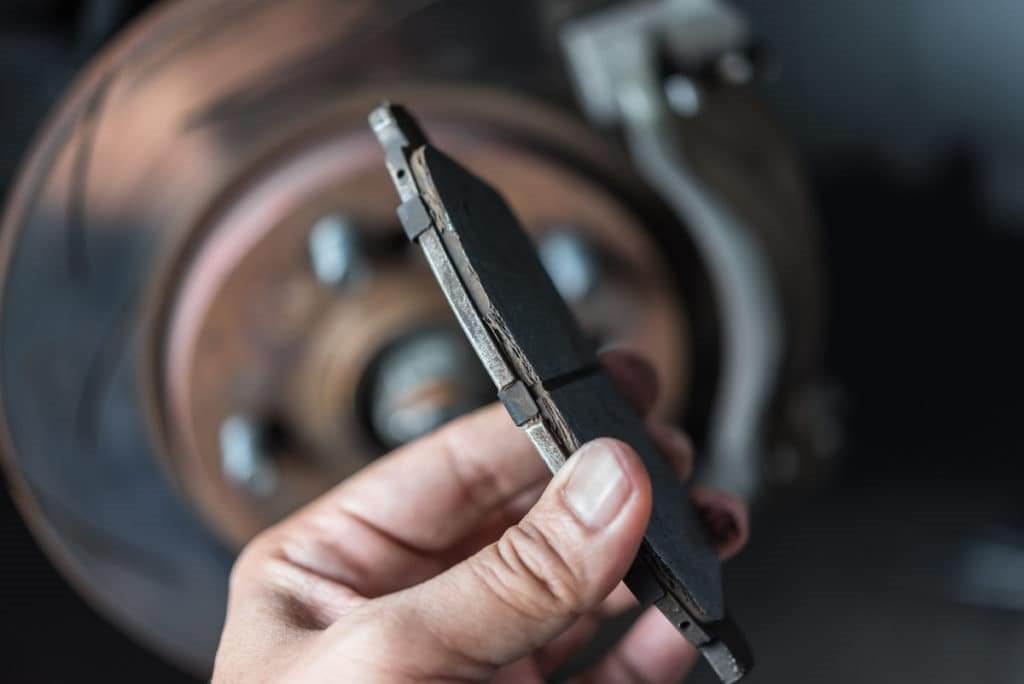
Worn brake pads lead to reduced braking performance, vibrations, and potential damage to the rotor.
The high-pitched squeal from the car while moving is a warning sign of worn pads, and ignoring this issue can compromise your safety, increase stopping distances, and overheat your brakes. Regular inspection and replacement of brake pads are essential for safe driving.
How to Deal with a High-Pitched Squeal from a Car While Moving
Fixing a high-pitched squeal in your car can be challenging due to the various potential causes. Here are some tips to help you address the issue effectively.
Identify the Problem
The first step is to diagnose the problem and identify the source of the high-pitched squeal. Different situations, such as the noise occurring during startup or acceleration, can suggest different causes.
To start, listen carefully while driving to determine the general area of the sound. Once you’ve done that, park your car safely and inspect under the hood.
Replace the Serpentine Belt
In many cases, a worn serpentine belt is the cause of the squealing. Replacing it is often the most common solution.
The serpentine belt is typically held in place by a retaining belt, and most modern cars use a single belt, simplifying the removal and replacement process.
Lubricate the Belts
Applying additional lubrication to the belts and pulleys, including the alternator pulley, idler pulley, and V-belt, can help resolve the issue. Checking the belt tension, if possible, can also help identify the problem.
However, belt tension adjustments may require specialized knowledge, which brings us to our next recommendation.
Seek Professional Assistance
For more complex or serious issues, it’s advisable to consult a professional mechanic with the necessary expertise and tools. Professional help often proves cost-effective and allows for quicker diagnosis and resolution of the high-pitched squeal.

Is It Safe to Drive a Car Emitting a High-Pitched Squeal?
It is not safe to drive a car that produces a high-pitched squeal while driving. The source of the squeal can vary and may come from the engine or another vehicle component. The uncertainty of the problem is concerning.
Although some cars may emit this noise briefly at startup, a persistent squeal after the engine warms up can signal problems with the serpentine belt, alternator pulley, or idler pulley, as mentioned earlier.
Attempting to drive under such conditions is risky, as it may become difficult to control the vehicle, especially if the squealing affects components related to the power steering pump.
FAQ on High-Pitched Squeals from the Car While Moving
- Is the high-pitched squeal a serious problem?
The severity of the problem depends on the underlying cause. If it’s related to the brakes, driving with worn brake pads or rotors can be dangerous, so it should be addressed promptly.
A loose or damaged serpentine belt can lead to engine problems, so it’s best to repair it to avoid further damage.
- Can I temporarily stop the squealing?
In the case of brake-related squealing, you might temporarily hear a reduction in noise by applying brake lubricant or anti-squeal paste to the back of the brake pads.
However, this is not a permanent solution, and you should still have the brakes inspected and repaired by a professional.
Watch this video by ChrisFix to learn more about how to determine where the squealing is coming from and how to fix a squealing belt!
- What is the cost of repairing a high-pitched squealing problem?
The cost of repairs can vary significantly depending on the cause and extent of the problem.
Replacing brake pads or resurfacing rotors can cost a few hundred dollars, while fixing a serpentine belt issue may cost between $100 and $200 or more. It’s best to get a professional estimate for your specific situation.
- Can weather conditions affect the squealing noise?
Extreme weather conditions, such as rain or cold, can temporarily affect brake performance and noise. However, if the squealing persists under normal weather conditions, it’s likely due to an underlying issue that requires attention.
Remember, it’s essential to address any unusual or persistent noise in your car promptly to ensure your safety and your vehicle’s longevity, including the rare high-pitched squeal from the car while moving. Always consult a professional mechanic for proper diagnosis and repairs!