
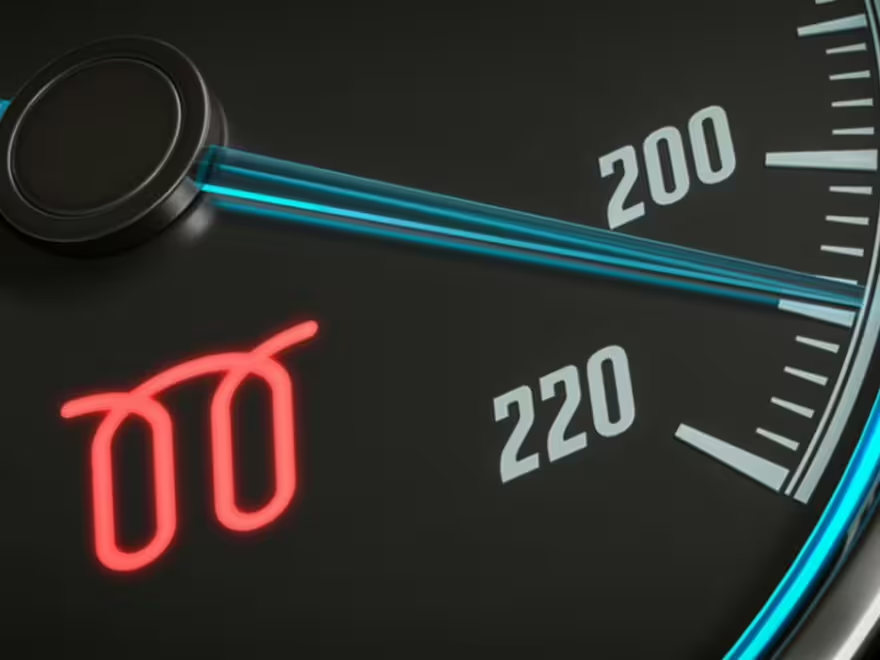
Has an orange coil-shaped warning light appeared on your dashboard? This symbol represents the glow plug warning light. It can indicate a potential problem with your car’s preheating system, especially if you drive a diesel vehicle.
What is the purpose of a glow plug?
Glow plugs are specific to diesel engines and serve to increase the cylinder temperature to facilitate fuel ignition, particularly in low temperatures. Unlike gasoline engines that use spark plugs to create a spark, diesel engines rely on compression to ignite the fuel. However, when cold, compression alone may be insufficient for auto-ignition, hence the crucial role of glow plugs.
Why is this warning light on?
The glow plug light typically comes on when the glow plugs are not functioning correctly, preventing the engine from heating up enough for a smooth start. Ignoring this signal could lead to starting difficulties, or even complete engine failure in cold weather.
Good to know: Each cylinder in a diesel engine has its own glow plug. Upon starting, these plugs quickly heat up, increasing the combustion chamber temperature to allow for fuel auto-ignition.
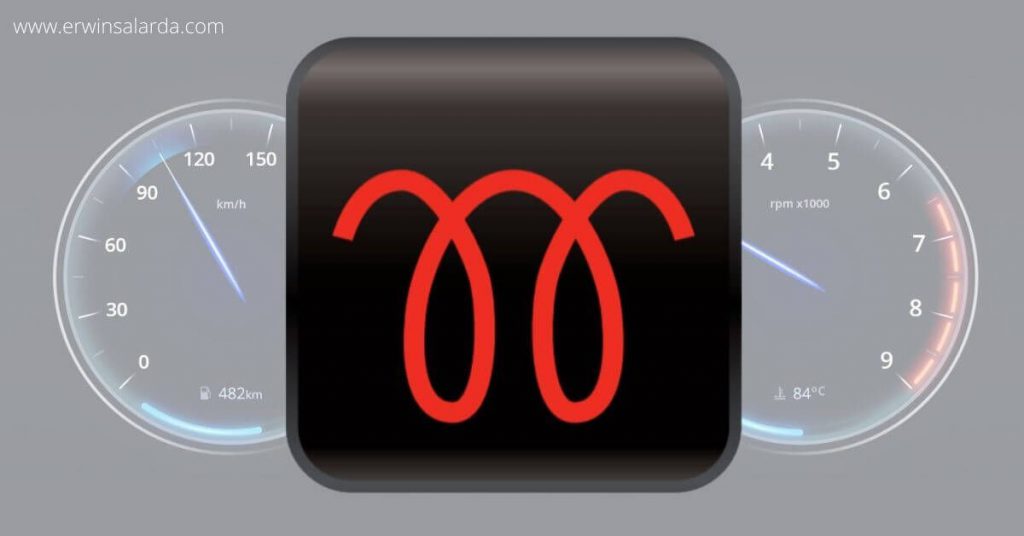
When the glow plug warning light illuminates on your dashboard, it often signals a malfunction in the preheating system, which is essential for diesel engines. Here are the main possible causes for this light:
1. Faulty Glow Plug
A worn or defective glow plug is the most common reason. When a plug no longer functions correctly, the Engine Control Module (ECM) sends a signal to the dashboard to alert the driver. In some vehicles, this may activate a limp mode to prevent further damage.
2. Glow Plug Control Module Malfunction
The control module is responsible for managing the operating duration and timing of the glow plugs. If it fails, it will not be able to turn off the glow plug light, also causing engine starting difficulties.
3. Faulty Temperature Sensor
Modern engines use a temperature sensor to adjust the operation of the glow plugs. A faulty sensor can transmit incorrect information to the Engine Control Unit (ECU), which may then keep the glow plug light on even when the engine is already warm.
4. Wiring Problems
Damaged connections or faulty wires can interrupt the electrical circuit between the glow plug and the ECU. This often results in a glow plug light that stays on due to an incorrect signal. A short circuit or wiring issue can also cause an overload, damage the glow plug relay, or lead to other electrical malfunctions.
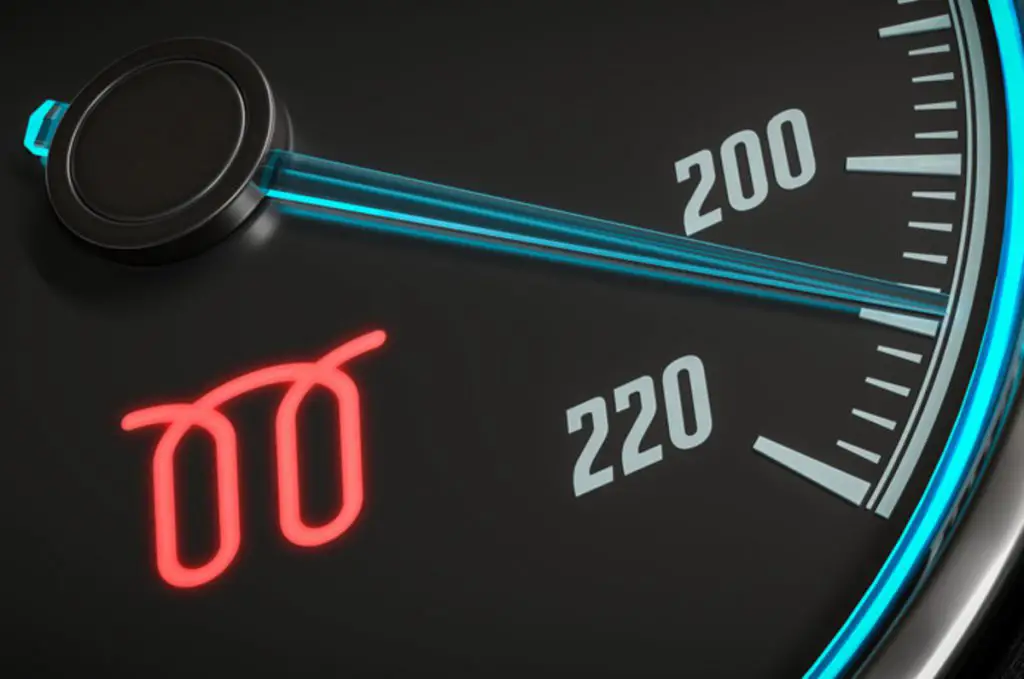
5. Glow Plug Relay Failure: Another Common Problem
The glow plug relay plays a crucial role in the proper functioning of the glow plugs, acting as a switch to provide the necessary power. If this relay fails, the glow plugs will not receive the required power supply, causing the glow plug light to illuminate. This type of failure can be caused by a faulty control circuit at the starter switch, relay coil connectors, an issue with the timer controller, or even a damaged wire.
Solutions for a Glow Plug Light On or Flashing
If the light stays on or flashes, several solutions can help diagnose and resolve the issue:
1. Check the Glow Plugs
Start with a visual inspection of the glow plugs to detect signs of wear, such as cracks or burns. Glow plugs are designed to be durable, but they wear out over time, typically after 100,000 miles. Here are some signs of glow plug wear:
- Hard Starting
- Misfires
- Rough Idling
- White or Black Smoke
- Decreased Fuel Efficiency
Replacing a glow plug is relatively inexpensive.
2. Inspect the Wiring
If replacing the glow plug isn’t enough, examine the wiring connecting the plugs to the ECU. Look for signs of corrosion, loose connections, or damage, and clean or replace the faulty components.
3. Look for Error Codes
Use an OBD-II scanner to read the error codes from the ECU. This can reveal precise information about the source of the problem. These codes can help determine if the issue stems from the control module, the glow plugs, or other components.
4. Test the Temperature Sensor
Use a multimeter to check the resistance of the temperature sensor. If the sensor is faulty, replace it to ensure accurate readings and optimal glow plug operation.
Conclusion
If the glow plug light remains on, it is advisable to have the system diagnosed by a mechanic. Using high-quality glow plugs is also essential to avoid serious problems, such as a glow plug exploding or breaking, which could cause engine damage.