
National Charging Infrastructure Strategy
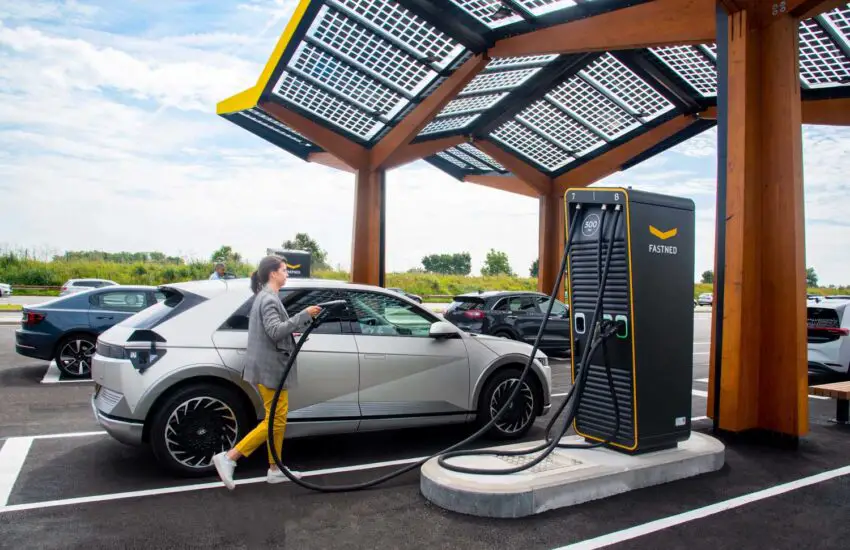
Germany has launched a comprehensive national strategy to rapidly expand its electric vehicle charging network. The “Masterplan Charging Infrastructure 2030” represents one of Europe’s most ambitious electrification initiatives, featuring 40 concrete measures to be implemented across the country. This coordinated approach addresses both current charging gaps and future demand projections as Germany transitions toward sustainable transportation.
Heavy Vehicle Charging Solutions
A significant component of Germany’s strategy involves dedicated infrastructure for commercial and heavy-duty vehicles. Special charging corridors will be established along major transport routes, enabling freight operators to transition to electric fleets. These high-capacity charging stations will support longer-haul electric truck operations, addressing one of the most challenging segments of road transport electrification.
Implementation Timeline and Targets
The German government has established clear implementation phases with specific targets for charging station deployment. Urban areas will see accelerated installation of public charging points, while rural regions will benefit from strategic placement along federal highways. The plan ensures balanced geographical coverage while prioritizing high-traffic commercial zones and residential areas with limited private parking options.
Technology and Grid Integration
Advanced charging technologies form another crucial element of Germany’s approach. The infrastructure will incorporate smart charging systems that optimize grid load management and support renewable energy integration. Bidirectional charging capabilities will be progressively introduced, allowing electric vehicles to function as mobile energy storage units that can feed electricity back into the grid during peak demand periods.
Economic and Environmental Impact
This nationwide charging expansion is expected to create thousands of jobs in manufacturing, installation, and maintenance sectors while significantly reducing transportation emissions. The coordinated rollout addresses range anxiety concerns among potential EV adopters and supports Germany’s broader climate protection goals. The infrastructure development aligns with European Union clean transportation initiatives while establishing Germany as a leader in electric mobility implementation.