
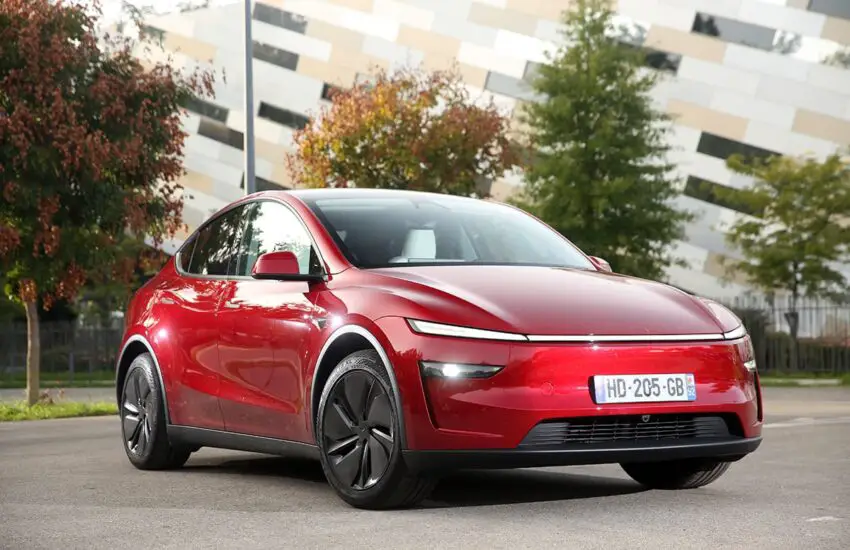
Germany: Government Continues to Promote Electric Vehicles
Despite the elimination of direct financial incentives, Germany maintains its commitment to electric mobility. This government strategy is proving particularly effective, as evidenced by the significant growth in electric vehicle registrations across German territory. Charging infrastructure is developing at a steady pace, while incentive measures such as tax benefits and preferential parking continue to encourage the adoption of this technology.

Robust Growth in the German Electric Market
The German electric car market is showing remarkable performance with steady sales growth. This positive dynamic is explained by several structural factors. First, automakers’ offerings have significantly expanded, now providing models suited to all market segments. Second, battery technology maturity has improved range and reduced charging times. Finally, German consumers’ environmental awareness plays a decisive role in this transition.
The Tesla Paradox: A Global Leader Struggling in the German Market
In this favorable context, Tesla’s situation in the German market appears somewhat contrasting. While the American manufacturer dominates many international markets, it struggles to fully convince German customers. Several factors explain this relative distrust. Local competition, represented by prestigious manufacturers like Volkswagen, BMW, and Mercedes-Benz, now offers electric vehicles perfectly tailored to the expectations of German drivers. These models benefit from a firmly established brand image and a dense after-sales service network throughout the country.
Specifics of the German Consumer
The German car market has unique characteristics that significantly influence consumer choices. German drivers place particular importance on build quality, highway driving comfort, and long-term reliability. They are also very sensitive to preserving their vehicle’s resale value. These criteria partly explain the success of domestic manufacturers, whose products perfectly match these specific requirements.
Evolution of German Government Policy
The German government has adapted its electric mobility support strategy. After an initial phase focused on direct financial incentives, authorities have established a favorable ecosystem including the development of charging infrastructure, sustainable tax benefits, and accompanying measures in municipalities. This comprehensive approach appears to be bearing fruit, creating an environment conducive to the mass adoption of electric vehicles, regardless of fluctuations in purchase incentives.
Outlook for the Electric Car Industry in Germany
The future of the German electric vehicle market looks promising, with increasing diversification of offerings and constant technological improvements. Traditional manufacturers continue to invest heavily in electrifying their lineups, while new players emerge in the market. For Tesla, the challenge will be to adapt its strategy to the specifics of the German market, particularly by strengthening its service network and refining its positioning to meet the specific expectations of local consumers.