
With constantly fluctuating oil prices, knowing your fuel economy has never been more essential.
There are many things to consider when buying a new car. What is the handling like? What about power and acceleration? Is it comfortable to drive? One of the most common questions is what will the running cost be? And it’s an extremely important question. In recent years, there have been perfectly designed, attractive, and comfortable cars that consistently received poor critic ratings because they are simply too expensive to use.
Most of the time, this comes down to them being “gas guzzlers,” meaning they have extremely high fuel consumption. Given the high and unpredictable price of gasoline and diesel, the energy efficiency of cars has become a key metric to help you choose the right car for you. That’s why we have MPG and why almost every review of a vehicle will mention what its MPG is. But what is this value, can I calculate it for my existing vehicle, and how useful can it be for buying a new car?
WHAT IS MPG?
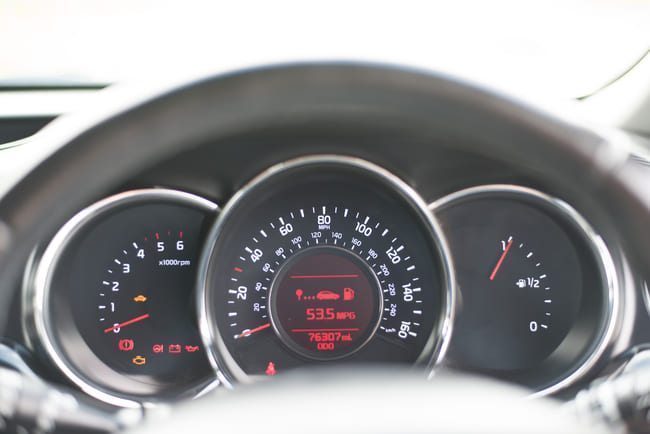
MPG stands for miles per gallon and it is the standard unit for measuring fuel consumption in land vehicles. The figure shows the number of miles a car can travel on one gallon of fuel. For example, if your car has a fuel consumption of 50 mpg and its fuel tank holds one gallon (or 4.55 liters), you can travel 50 miles before the car runs out of fuel.
By law, every car must be given an official MPG value by the manufacturer and this must also be made available to customers. This serves as a guide so consumers can compare energy efficiency between different models and vehicles. The EU sets the standards for British vehicles and the tests are administered in the UK by the Vehicle Certification Agency. Because they are all standardized, they offer an accurate comparison between cars. If you are buying a new car and looking to get something more efficient, it’s always a good idea to ask what my car’s MPG is right now and will this car have a better one.
HOW IS MPG CALCULATED?
The official MPG is calculated from a test conducted in a laboratory on a rolling road. A single model is tested for each product range. A car is tested on two cycles: the urban cycle and the extra-urban cycle. The urban cycle test starts from a cold engine and then mimics city driving at speeds not exceeding 30 mph. This test lasts 2 and a half minutes and includes a series of stops and starts to recreate the type of driving required in urban areas. The extra-urban test is designed to see how a car would behave outside the city and lasts 4.3 miles with a maximum speed of 70 mph. The temperature is standardized to 20-30 degrees and there is never more than the driver in the car. The MPG shown by a manufacturer is then an average of the two MPG figures from these two tests.
HOW DOES THIS DIFFER IN REALITY?
Since MPG is done under hypothetical laboratory conditions, there will always be a difference between a car’s official calculated mileage (calculated under the official EU-regulated test conditions) and what you can actually achieve behind the wheel.
MPG figures can still be used for comparison purposes, but they won’t be very useful if you’re trying to determine how much a car will actually cost you, because the average mileage per gallon in real terms will differ from the manufacturer’s value.
The amount of gasoline you will need for 100 miles will always vary on the road because the test removes variables such as hills, uneven surfaces and does not account for different driving styles, passenger weight, cargo carried, wind resistance, or any modifications made to a car.
For example, fitting larger wheels means the car will be heavier, generate more aerodynamic drag, and have more rolling resistance than standard wheels, so your car’s fuel economy will be worse.
HOW TO CALCULATE ACCURATE FUEL CONSUMPTION RATES
Even though the test is not entirely reliable, it is possible to calculate fuel costs yourself. It is relatively simple and can teach you how to reduce fuel consumption and make savings.
The simplest way is to fill up your car’s gas tank and note your current mileage. Decide whether you are going to focus on urban, extra-urban, or general fuel consumption and drive normally under the desired conditions. When you are ready to calculate your car’s MPG, fill up the tank again and note the number of liters of fuel needed to fill it to the limit, as well as the number of miles you have traveled since the first fill-up.
Since we fill our tanks with liters, we will have to convert this figure into gallons. So, divide the mileage by the number of liters used, then to convert to MPG, multiply that figure by 4.546. You now have the true MPG of your car.
It is important to note that if you want to compare it to the official statistics, you should try to stick to their test conditions (including the speeds used and the types of roads on which you perform the tests). All of this can be made easier if you have a built-in or aftermarket onboard computer. Many of them often automatically display the MPG at the end of a trip.
TIPS TO IMPROVE YOUR FUEL ECONOMY
From how you drive to what you keep in your car, here are 10 tips to reduce your fuel costs:
- Make your car lighter: get rid of all unnecessary items in your car’s trunk or on the back seat. For every 45 kg of weight in the vehicle, your car’s fuel consumption decreases by about one or two percent.
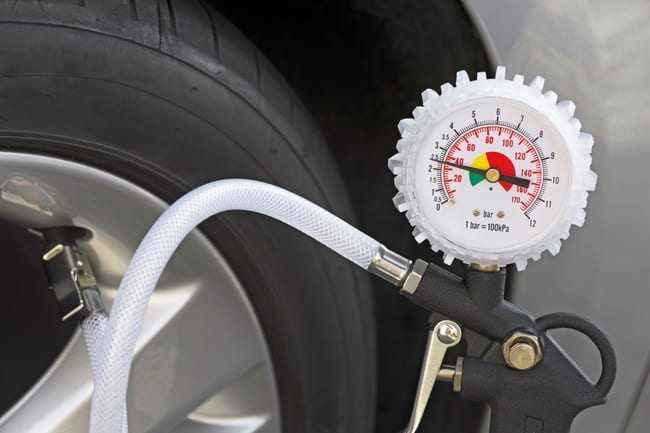
- Keep your tires properly inflated: underinflated tires can reduce your car’s fuel consumption by up to five percent in some cases due to their insufficient grip on the road and increased resistance. Ensuring they are at the recommended pressure can save you money.

- Stick to the speed limit: this is not just about safety, because sticking to the speed limit also helps you maintain good fuel economy. Driving faster often means your fuel consumption will be worse because the engine has to work harder to produce the power needed at high speeds.
- Avoid idling: when your car is running but not moving, your gasoline mileage is absolutely zero, but fuel is still being burned to keep the engine running. So, if your car is going to be stationary for more than about a minute, turn off the engine. Only do this, however, if it is safe.
- Constant braking and acceleration: while driving, always apply steady, constant pressure to your car’s accelerator pedal. A heavy foot will always lead to reduced gasoline mileage and poor fuel consumption
- Make your car more aerodynamic: removing roof racks and reducing the car’s weight by removing unnecessary items or changing tires or wheel rims can allow the car to move through the air better and reduce drag, meaning less fuel is needed to get you where you need to go.
- Use cruise control on highways: cruise control means your car will run at a constant speed, meaning there is no acceleration. No acceleration reduces the amount of work your engine does and thus consumes less fuel.
- Keep the windows closed: this can be difficult if it’s hot outside, but keeping the windows closed makes your vehicle more aerodynamic and improves its energy efficiency. Especially at higher speeds, you should keep the windows closed to reduce drag and improve fuel consumption
- Use air conditioning less: there will always be times when you need to turn on the air conditioner, but you should try to use it in moderation.
- Replace dirty air filters: A dirty air filter makes your car’s engine work much harder and has a real negative impact on your fuel economy. Be sure to follow the manufacturer’s recommendations for periodically changing the air filter.