
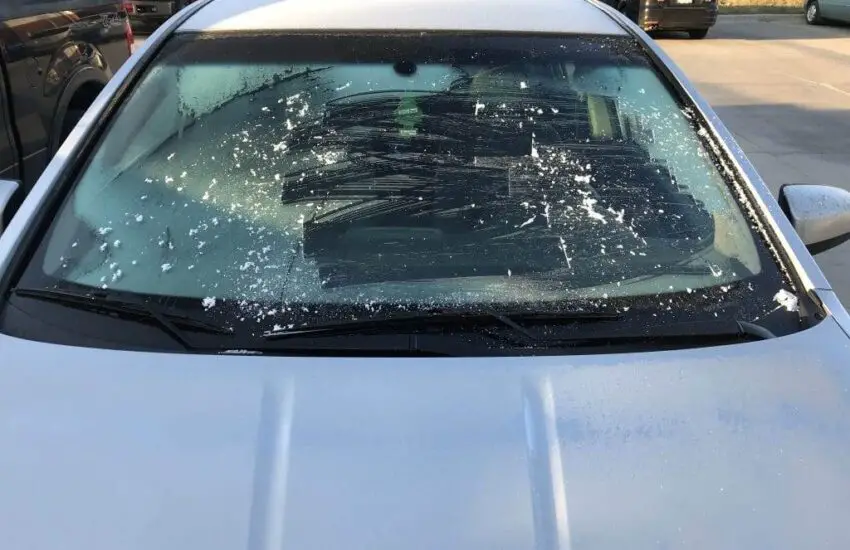
During freezing weather or heavy rain with snow, drivers often encounter frost on the inside of the windshield, which obstructs vision and affects the driving process. Frost on the inside of the windshield will make it difficult for the driver to see, cause discomfort, and can be potentially dangerous. In today’s article, we discuss the reasons and how to remove ice from your windshield.
Why Does My Windshield Frost Up on the Inside?
The car’s windshield is an important part installed at the front of the car, both enhancing aesthetics, ensuring the driver’s safety, and completing the vehicle’s structure. It resembles a shield plate that withstands direct impacts from the environment such as light, UV rays, objects, dust… protecting the driver and complementing the vehicle’s design. All drivers know the role of a windshield in the vehicle. Suddenly, when you wake up on a winter morning and notice frost on your windshield, what are the reasons? Let’s find out with us:
Damaged Door or Window Seal
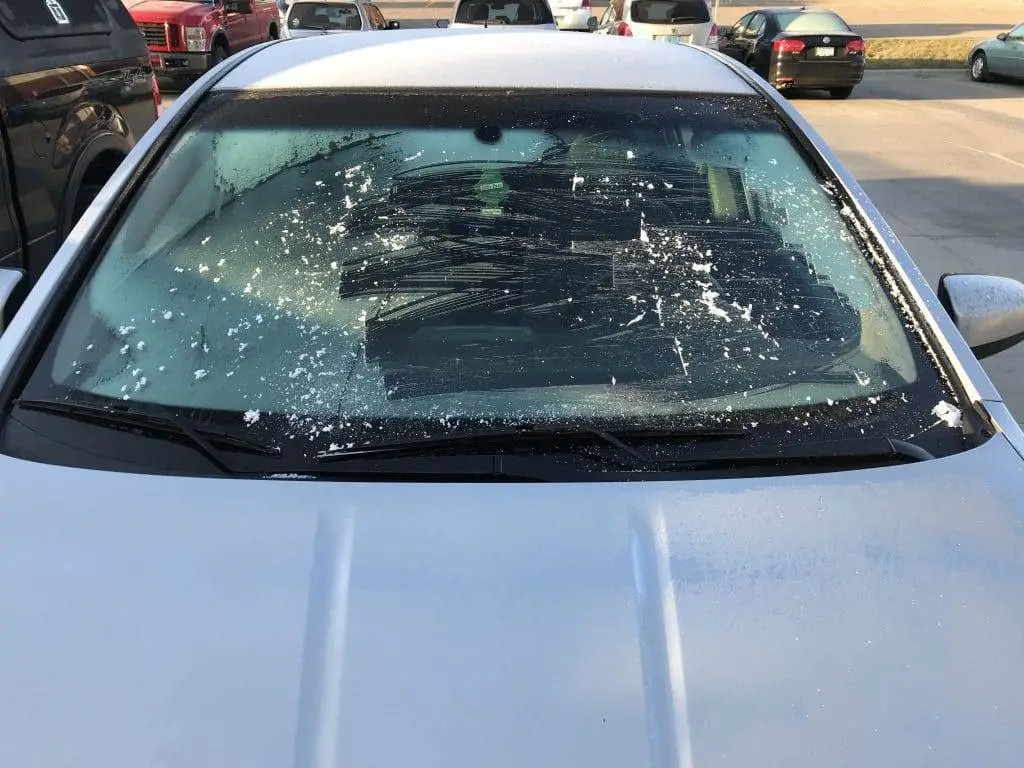
This is the popular reason leading to frost on the inside of the windshield. When the outside temperature drops below 0 degrees, you will notice a thin layer of ice forming on the inside of the windshield. The cause is that your vehicle’s doors or windows have cracks or are not sealed, worn or damaged rubber seals can create conditions for vapor to invade the vehicle.
Over time, the rubber seals around the doors can weaken and wear out. They can open on their own, come out of the door frame, and start to leave a gap between the door frame and the rubber seal. So, don’t forget to check this small detail if you notice frost building up on the inside of the windshield.
Temperature
Low temperatures can cause your windshields to be covered with frost on the inside. Windshields are usually designed with a heat-conductive material that allows them to easily absorb heat from the surrounding environment. In warm weather, the sun’s heat will quickly neutralize the cooling effect of the glass. However, in cold weather, there will be a temperature difference between the outside and the glass, causing condensation on the windshield. In cold air, water vapor condenses and turns into ice.
Excessive Humidity
In winter, the weather is erratic, sometimes terribly below freezing, sometimes a slight thaw. For example, the weather is warm during the day, it rains and snows, it starts to get colder in the evening, and as a result, the moisture that accumulates on the glass turns into ice that freezes the wipers on the glass.
This situation occurs on the principle of condensation when cold air mixes inside your car. Or it can be caused by human breathing or by the evaporation of wet objects in your car. The amount of water vapor in contact with the cold glass surface condenses to form ice that obstructs the driver’s vision, making it more difficult to control the vehicle.
How to Prevent Frost on the Inside of the Windshield?
A few tips below will help drivers effectively overcome the situation where the inside of the windshield is frozen:
Avoid Placing Wet Objects in Your Car
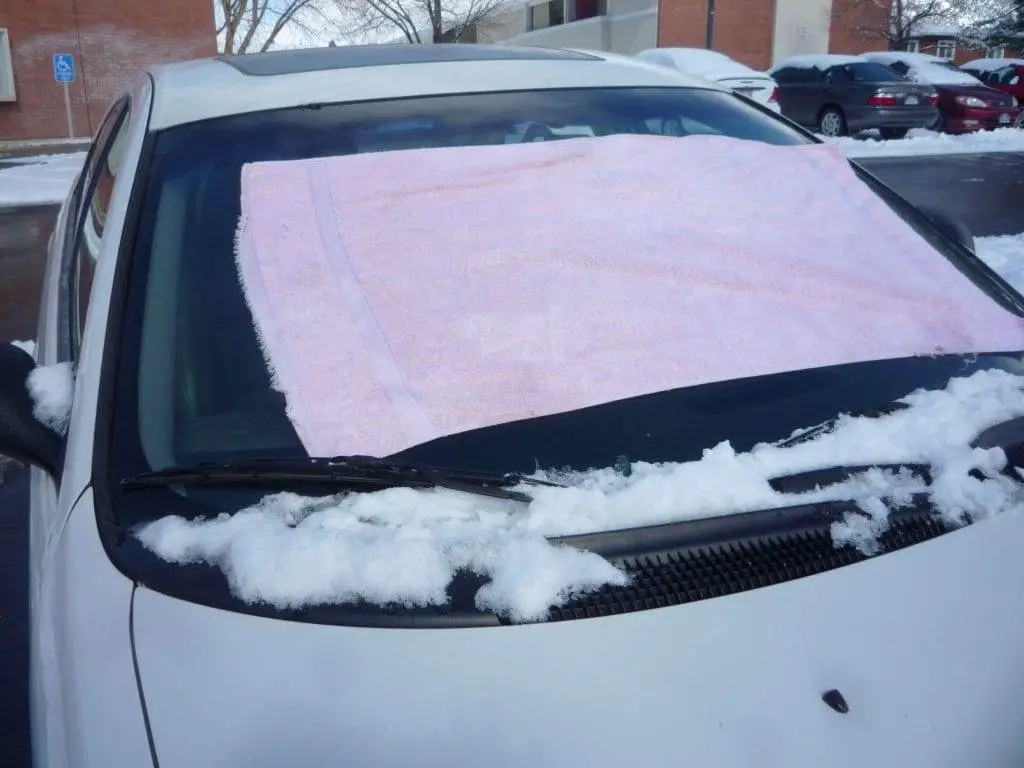
Water vapor from wet coats, umbrellas, or damp towels, etc., placed in the car when exposed to warm air, evaporates. If the driver does not open the door, this amount of vapor remains in your car and condenses on the glass. Therefore, to reduce the possibility of ice forming in the car, car owners should limit placing wet objects in the cabin without cover or packaging.
Balance the Temperature Inside and Outside the Car
In cold weather, you usually want to close all the windows to protect yourself from the cold; however, this is not an ideal measure as it can form ice on the windshield. To avoid this situation, you can open or lower the window by 10 to 15 cm to promote air circulation and moisture removal, create a temperature balance inside and outside the car, and reduce condensation conditions. This operation is extremely simple, does not consume fuel, and is highly effective. However, drivers should only apply it in light rain and not too cold weather.
Turn On Your Air Conditioner
The car’s air conditioning system not only helps you regulate desired temperatures but also effectively removes humid air. Frost on the inside of the windshield is caused by the difference between outside and inside temperatures. Therefore, drivers should turn on the AC and adjust the fan towards the windshield, helping to dry the glass.
Note that you should not choose a temperature that is too cold, which would result in the temperature inside the vehicle being too low compared to outside the car. However, to avoid temperatures that are too cold and will affect the health of occupants, especially the elderly and young children, you should only choose a temperature difference of 2-3 degrees from the outside and turn off the air conditioner immediately when the frost on the inside of the windshield disappears.
When you turn on the air conditioner, the amount of vapor stuck to the windshield surface evaporates immediately. Even the moisture from your breath is dispersed into the air instead of settling on the windshield.
Ensure Your Windshield is Always Clean
If your windshield is fogged up by frost, you could be in danger due to limited visibility. It is essential to regularly clean the windshield from the inside. In a few simple steps, you can clean and polish your windshield like new. To avoid scratches on the glass surface, you can use a soft towel or paper to clean the glass. Besides helping you deal with ice buildup, it also helps you see better and prevent potential accidents.
Use a Car Dehumidifier
Car owners can use a portable dehumidifier to reduce vapor and limit frost. When air is drawn in and passes through the evaporator, the vapor condenses. And some of the remaining air will escape from the back of the device.
Use Anti-Fog Additives
Use shaving foam or an anti-fog additive on a soft, dry, clean cloth to wipe each area of the car’s glass. Wait at least 2 minutes, then use another dry towel to wipe off any remaining foam on the glass. Additionally, you can use silica gel to reduce humidity in your car. As we analyzed, when the air humidity in your car is too high, it creates thin layers of ice on the inside of the windshield. In this case, silica gel is a good option for you.
In daily life, people often encounter silica gel in small packets placed in medicine bottles, food packaging, and electronics. There, silica gel acts as a dehydrating agent to prevent the above products from being damaged by moisture. Similarly, when silica gel packets are placed in the car, they help absorb moisture and help keep the car space dry and comfortable. There is a note that when you put these packets in your car. You must find a safe position to place the silica gel to keep them out of reach of children. Because it can be dangerous if your child eats it.
Final Thoughts
Frost on the inside of the windshield always occurs in cold climates, and for drivers, it must be an annoying problem. However, if you know how to apply simple tips. Drivers can certainly limit this situation and drive completely in difficult conditions while ensuring maximum safety.
Besides the frosted windshield, cars often fog up the rearview mirror due to high air humidity. How to prevent your car from freezing on the inside? or What method do you usually use to solve the problem? Let us know by commenting in the box below. Please read our upcoming articles for more useful information for drivers.