
A Strategic Pivot Under Financial Pressure
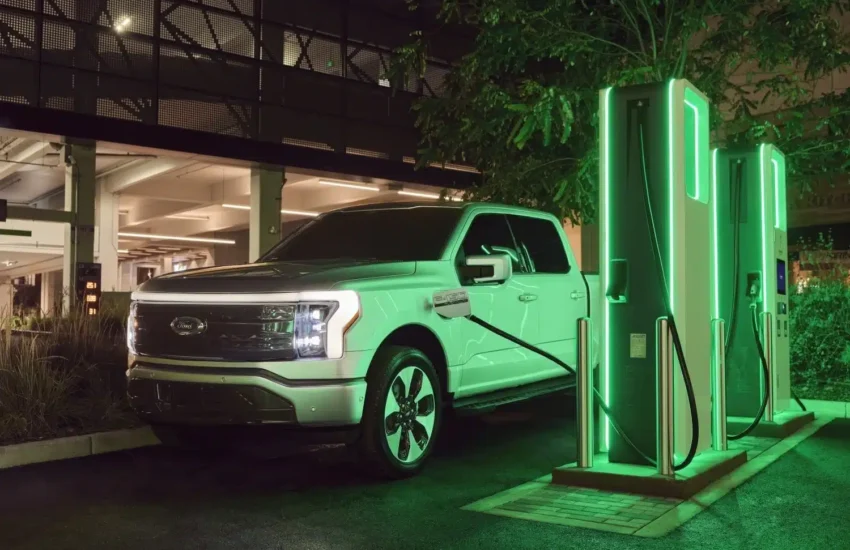
Ford Motor Company is undertaking a significant recalibration of its electric vehicle ambitions. This strategic shift comes as a direct response to substantial financial losses, reported to be in the billions of dollars, stemming from its EV division. The move highlights the complex and costly challenges legacy automakers face in transitioning from internal combustion engines to electric powertrains, balancing ambitious future goals with present-day economic realities.
Reassessing the Road to Electrification
Previously, Ford had announced aggressive targets and massive investments for its electric future, including the creation of dedicated EV platforms like the TE1. However, the market’s slower-than-expected adoption rate for electric vehicles, coupled with intense price competition and high costs for raw materials and new manufacturing capacity, has led to a sobering reassessment. The company is now moderating its near-term production targets, delaying certain investments, and focusing on achieving profitability in its EV segment rather than pursuing volume at any cost.
Focusing on Hybrid Technology as a Bridge
A key component of Ford’s revised plan is an increased emphasis on hybrid vehicles. The company now sees hybrids not merely as a transitional technology but as a critical and sustainable part of the automotive landscape for years to come. By expanding its hybrid offerings, particularly in high-volume segments like trucks and SUVs, Ford aims to meet stringent emissions regulations while catering to customer demand for more efficient vehicles without the concerns associated with full battery-electric adoption, such as charging infrastructure and range.
Implications for the Auto Industry
Ford’s strategic pivot sends a clear signal to the entire automotive sector. It underscores that the journey to an all-electric future may be longer, more capital-intensive, and more nuanced than initially projected. Other traditional manufacturers are likely watching closely, as they grapple with similar financial pressures. The industry is entering a new phase where financial sustainability and market demand are becoming as crucial as technological innovation in shaping the pace of the electric transition.