
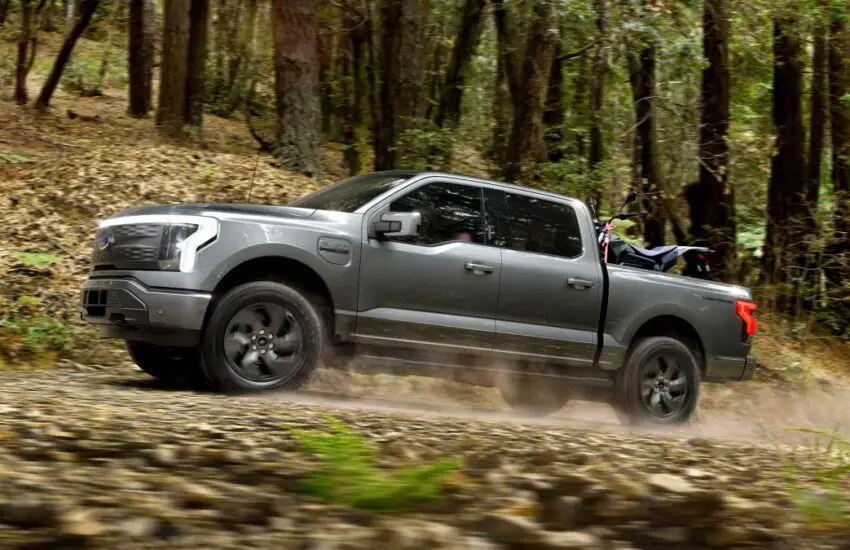
Ford Halts Production of F-150 Lightning EV
Ford has officially discontinued production of the current-generation F-150 Lightning, marking a significant strategic pivot for its flagship electric pickup truck. This move confirms earlier reports of an extended production pause and signals the end of the battery-electric vehicle (BEV) model as consumers know it. The decision reflects broader challenges in the EV market, including shifting demand and infrastructure considerations.
The Next Generation: A New Powertrain Strategy
While the pure-electric Lightning is being retired, Ford is actively developing its successor. The next-generation model will not be a traditional BEV. Instead, it will utilize a series-hybrid system, often referred to as an electric vehicle with a range extender. This system will primarily be driven by an electric motor, but it will incorporate a gasoline engine that acts solely as a generator to recharge the battery pack, not to drive the wheels directly.
Implications for the Electric Truck Market
This shift underscores the automotive industry’s ongoing recalibration of electrification strategies. A range-extender configuration aims to alleviate consumer concerns over charging availability and long-distance travel, offering the driving experience of an EV with the refueling convenience of a gasoline vehicle. This approach may appeal to truck buyers who need consistent capability without reliance on public charging networks, especially for towing and commercial use.
Ford’s decision highlights the complex balance between regulatory pressures, consumer adoption rates, and practical usability in the pickup truck segment. The move positions the future Lightning as a potential bridge technology, blending electric propulsion with the energy density of liquid fuel.