
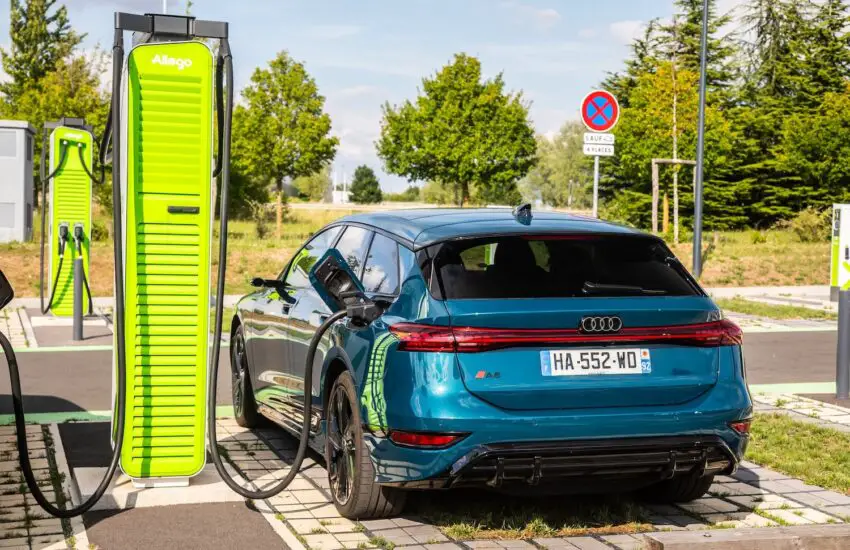
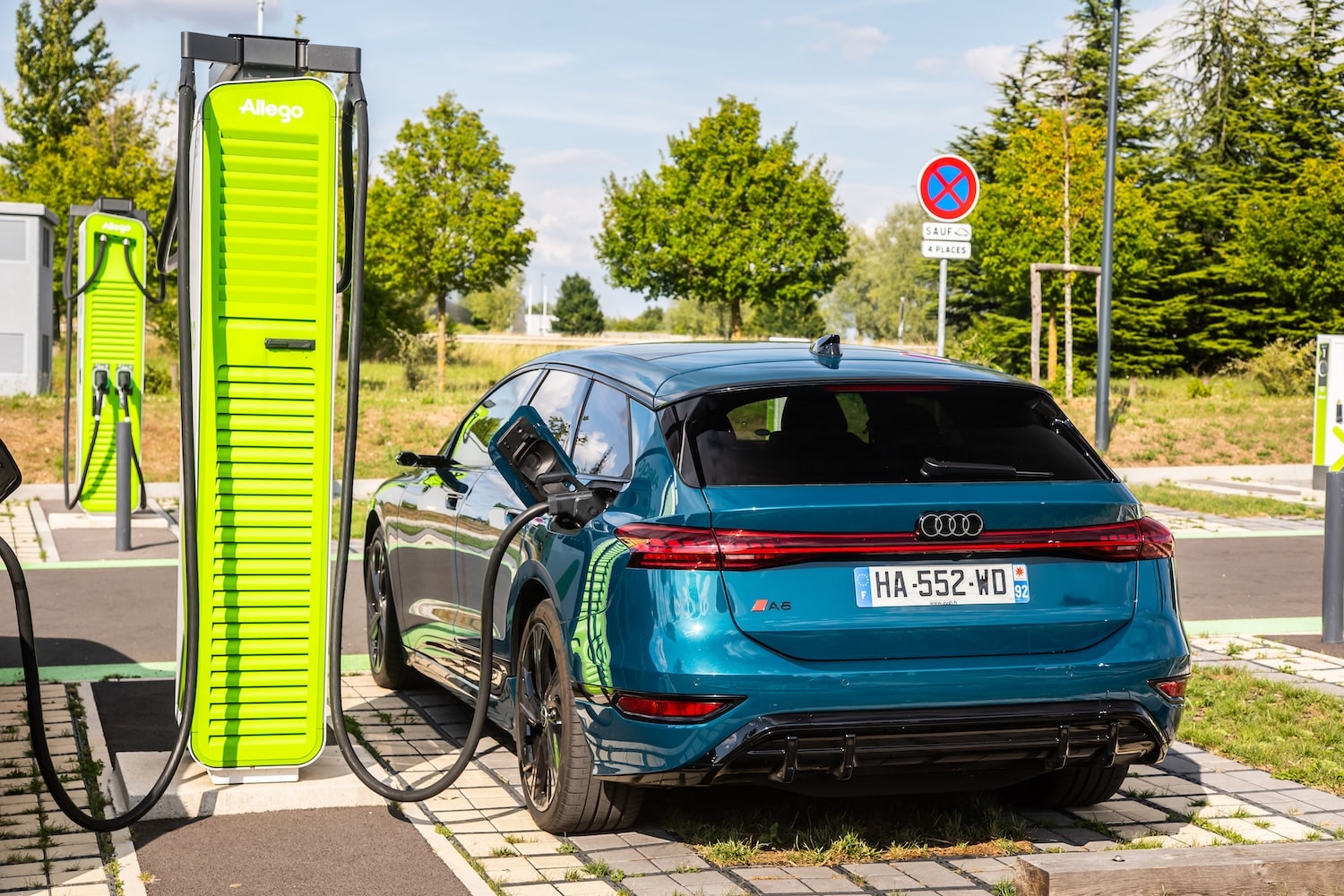
Fast charging station systems are a fundamental pillar of the user experience for electric vehicle owners. The promise of ultra-fast charging is often a decisive factor in purchasing, but the reality on the ground can sometimes be different.
Theory vs. Practice of Charging
Manufacturers advertise impressive charging times, often under 30 minutes to recover 80% of the battery capacity. These figures are obtained under optimal test conditions, with perfect battery temperature and a charging station in perfect working order.
The Challenges of Fast Charging
Several factors can negatively impact charging performance. The outside temperature, whether too cold or too hot, directly affects the battery chemistry and its ability to accept a fast charge. The initial state of charge of the vehicle also plays a crucial role, with chargers being more efficient when the battery is between 10% and 80% of its capacity.
Compatibility Between Vehicles and Charging Stations
Another challenge lies in the interoperability between different electric car models and various charging infrastructures. Although standards exist, occasional incompatibilities or communication issues between the vehicle and the charging station can occur, significantly slowing down the process.
The User Experience at Stake
The reliability of fast charging systems is essential to strengthen user confidence in electric mobility. Charging sessions that drag on or encounter frequent technical errors can discourage drivers and call into question their decision to switch to electric.
The smooth operation of fast charging at stations is an integral part of the user experience for electric car owners. As the network continues to expand and technologies advance, the question of the actual performance of these systems remains a central concern.