
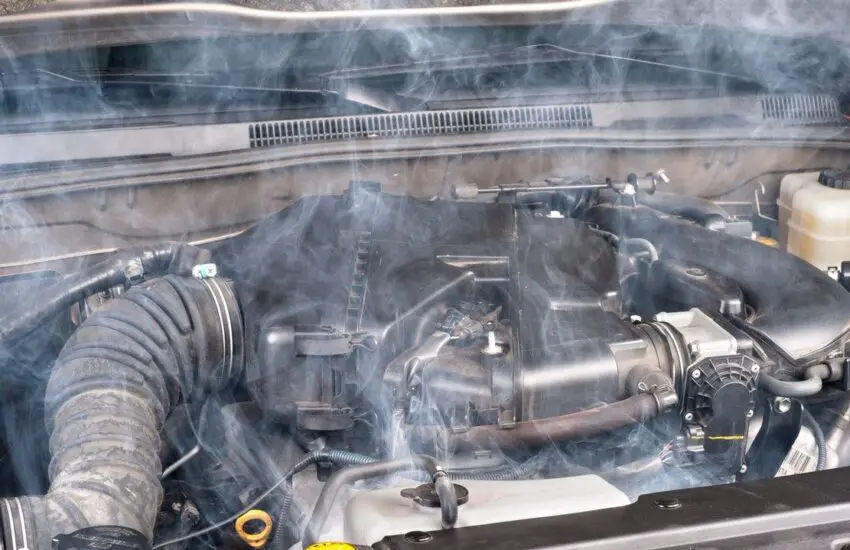
The exhaust manifold is a crucial component of a vehicle’s exhaust system. It is responsible for collecting hot exhaust gases from the engine and directing them to the exhaust pipe. Due to its role, the exhaust manifold is subjected to extremely high temperatures.
1. How the Exhaust Manifold Works
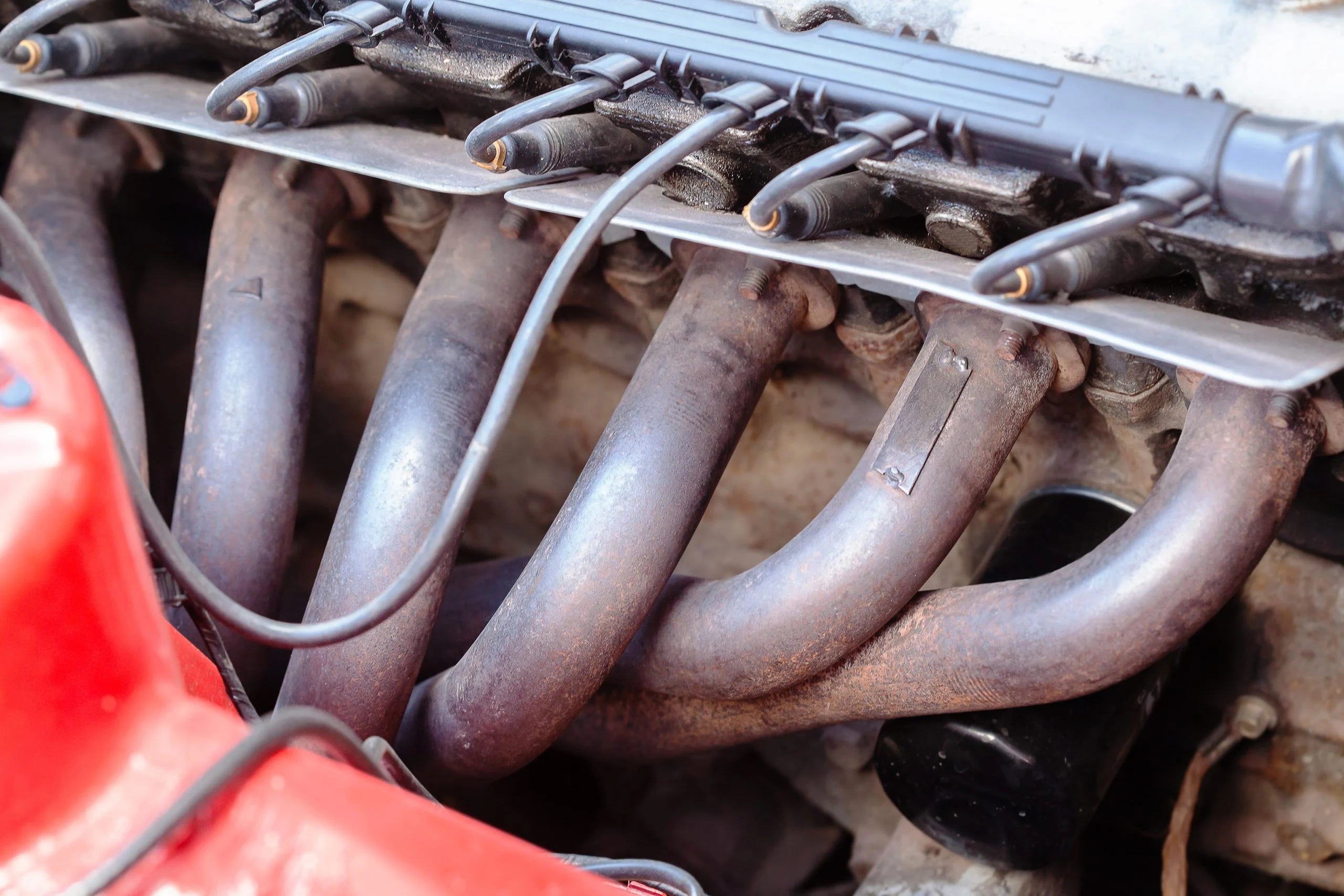
The exhaust manifold is typically made of cast iron or stainless steel. It consists of several tubes, each connected to an engine cylinder. The hot exhaust gases escape from the cylinders and flow through the manifold tubes. As they merge, the exhaust gases lose heat and pressure before being expelled through the exhaust pipe.
2. Exhaust Gas Temperature

The temperature of the exhaust gases at the engine outlet can reach 800°C. This temperature can vary depending on several factors, such as the type of engine, engine speed, and engine load.
3. Exhaust Manifold Temperature
The temperature of the exhaust manifold is generally slightly lower than that of the exhaust gases at the engine outlet. It typically ranges between 600°C and 700°C.
4. Factors Influencing Exhaust Manifold Temperature
Several factors can influence the exhaust manifold temperature, including:
- Engine type: Gasoline engines typically have hotter exhaust manifolds than diesel engines.
- Engine speed: The exhaust manifold temperature increases with engine speed.
- Engine load: The exhaust manifold temperature rises when the engine is under heavy load.
- Type of exhaust manifold: Stainless steel exhaust manifolds tend to be hotter than cast iron ones.
5. Consequences of Excessive Exhaust Manifold Temperature
Excessive exhaust manifold temperature can have several adverse effects, such as:
- Deterioration of the exhaust manifold: Excessive heat can weaken the exhaust manifold, making it more prone to cracking or corroding.
- Loss of engine performance: Too high a temperature can disrupt the flow of exhaust gases and reduce engine efficiency.
- Fire risk: The heat from the exhaust manifold can ignite nearby combustible materials.
6. Measures to Limit Exhaust Manifold Temperature
There are several measures to limit the exhaust manifold temperature, such as:
- Using a high-quality exhaust manifold: An exhaust manifold made from heat-resistant materials will be less likely to deteriorate at high temperatures.
- Installing an efficient exhaust system: An efficient exhaust system will expel exhaust gases more quickly and reduce the manifold temperature.
- Performing regular engine maintenance: A well-maintained engine will run more efficiently and produce less heat.
Conclusion
The exhaust manifold temperature is an important factor to monitor to ensure the vehicle’s proper functioning and prevent potential damage. By taking the necessary steps to limit the exhaust manifold temperature, you can extend the life of your exhaust system and improve your engine’s performance.