
A New Challenger in the Autonomous Race
The landscape of self-driving technology is witnessing a bold European entry. Spearheaded by visionary entrepreneur Mate Rimac, the Verne project is accelerating its plan to launch a fleet of driverless taxis, aiming to outmaneuver established players like Tesla. This initiative positions Croatia and the broader European Union at the forefront of a critical technological competition.
Engineering a Human-Centric Experience
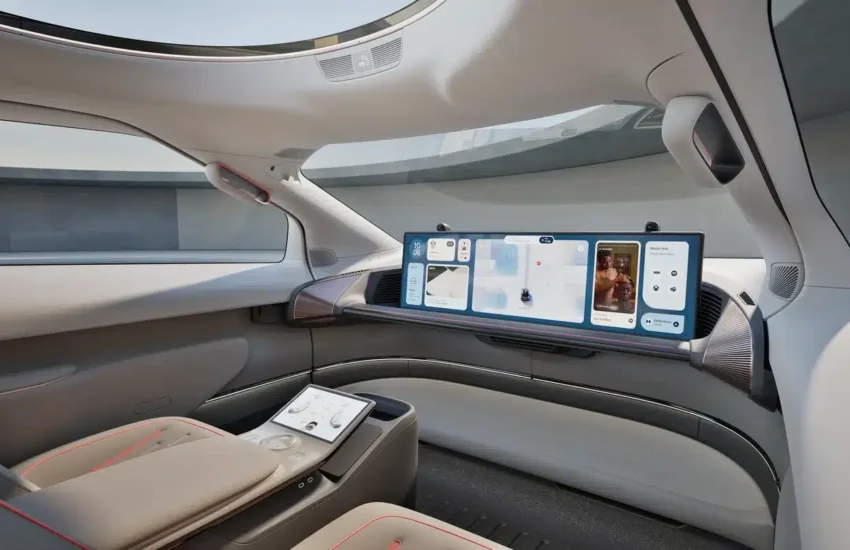
Verne’s strategy hinges on a radically simplified user experience, made possible by its core design principle: the complete removal of the steering wheel and pedals. This allows the cabin to be reimagined as a comfortable, private space for passengers. The interaction model is designed for intuitive use, where riders summon and control their journey entirely via a smartphone application, focusing on comfort and convenience over traditional driving controls.

The Path to Commercial Deployment
Following its official unveiling, the Verne project has progressed rapidly through testing and validation phases. The stated ambition is to commence initial commercial operations as early as next year, marking a significant milestone for European autonomy. This timeline demonstrates a focused approach to moving from prototype to real-world service, challenging the perceived lead of American and Chinese tech giants in this sector.
Strategic Implications for the Auto Industry
Verne’s emergence signals a strategic shift. It represents a European effort to capture a significant share of the future mobility market by specializing in a fully autonomous, purpose-built vehicle from the ground up. Rather than adapting existing car models, this clean-sheet approach could set new standards for safety, passenger experience, and urban integration, proving that innovation in autonomous driving is not confined to Silicon Valley.