
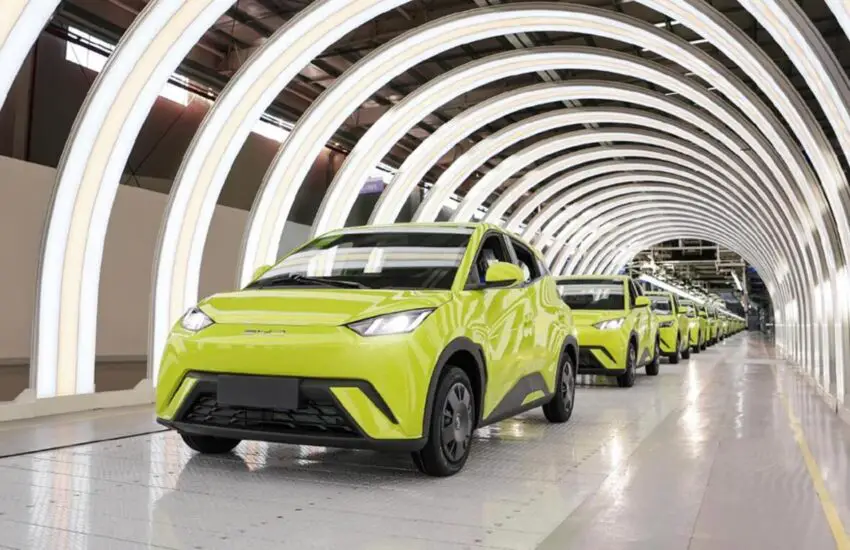
A Landmark Agreement Reshapes the Electric Vehicle Landscape
Following months of intense negotiations, the European Union and China have finalized a groundbreaking agreement on electric vehicle (EV) imports. This deal, reached amidst global trade tensions and a fierce technological race, establishes a new framework for pricing Chinese-manufactured electric cars entering the European market. The accord marks a significant pivot from the threat of tariffs towards structured cooperation, aiming to balance fair competition with the accelerated adoption of clean transportation.
Core Elements of the Pricing Agreement
The central pillar of the agreement is the establishment of a reference price floor for EVs imported from China. This measure is designed to prevent market distortion through alleged state-subsidized dumping, which European automakers argued created an unlevel playing field. In return, the EU has agreed to suspend the provisional countervailing duties it had been preparing to impose. The deal includes a robust monitoring mechanism to ensure compliance and allows for periodic review, acknowledging the rapidly evolving nature of the EV sector.
Implications for Automakers and Consumers
For European car manufacturers, the agreement provides temporary relief from a flood of ultra-competitive imports, allowing more time to scale up their own EV production and battery technology. However, it also formalizes Chinese brands’ access to the lucrative European market, ensuring continued competition. Consumers may see a stabilization of EV prices, with the potential for less volatility. While the cheapest models might see slight price increases, the agreement is expected to foster a more predictable and sustainable market, ultimately benefiting the long-term transition to electric mobility by ensuring diverse supply.
Global Trade and Green Transition Ramifications
This EU-China deal sets a crucial precedent for managing trade in strategic green technologies. It demonstrates a move towards managed competition over outright protectionism in a critical sector. The outcome is likely to influence policy discussions worldwide, particularly in North America. Successfully balancing domestic industrial interests with the global imperative for affordable electric transport will be a key challenge. The agreement’s stability will be tested as both blocs continue to innovate and as the next generation of battery technology emerges.