
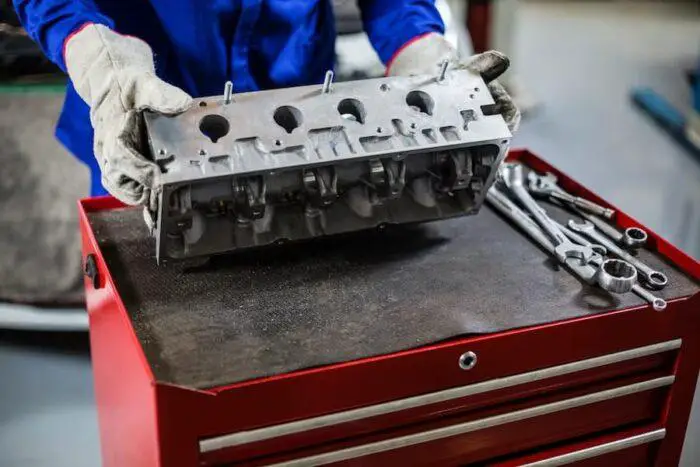
Why Clean Your Engine Block?
Like the foundation of a house, a clean engine block is essential for vehicle performance. The buildup of sludge, grease, oil residue, and coolant leads to corrosion and malfunctions. Regular cleaning extends its lifespan and prevents rust.
1. Choosing the Right Products
- Essential Criteria:
- Ability to remove grease, scale, rust, and carbon deposits
- Compatibility with metals (aluminum/cast iron)
- Non-corrosive formulation
- To Avoid:
- All-purpose cleaners (too abrasive)
- Intensive manual methods (excessive scrubbing)
- Recommended Solutions:
- High-penetration engine degreasers
- Professional steam cleaners
- Soft blasting kits for disassembled parts
Warning: Using the wrong product accelerates surface wear. Consult a specialist for vintage or specific engines.
2. Preparation: Safety First
- Disconnect the Battery:
- Start with the negative terminal (black)
- Then remove the positive terminal (red)
- Protect Sensitive Components:
- Wrap in plastic bags:
- Ignition coils
- Electronic control units
- Electrical connectors
- Air filter
- Seal with waterproof tape
- Wrap in plastic bags:
3. Step-by-Step Cleaning Procedure
| Step | Tools | Instructions |
|---|---|---|
| Pretreatment | Brass brush, plastic scraper | Manually remove thick deposits |
| Degreaser Application | High-pressure sprayer | Cover evenly. Let sit 10-15 min |
| Targeted Brushing | Stiff-bristle brush (tooth type) | Focus on crevices without scratching surfaces |
| Rinsing | Steam cleaner (max 100 bar) or garden hose | Keep 30 cm away from electronic components |
| Drying | Microfiber cloths + compressed air | Avoid residual moisture in cavities |
Regulation: Collect contaminated wastewater (legal requirement). Use retention tanks.
4. Post-Cleaning Checks
- Visual Inspection:
- Check for no residue in openings
- Inspect condition of seals and hoses
- Leak Test:
- Reconnect the battery (start with the positive terminal)
- Run the engine at idle for 15 minutes
- Look for:
- Oil leaks under pressure
- Coolant leaks
- Abnormal behavior (smoke, noises)
5. Mistakes to Absolutely Avoid
- ❌ Using a high-pressure washer (damages sensors and seals)
- ❌ Neglecting to protect electronic components
- ❌ Applying products to a hot engine (risk of cracking)
- ❌ Discharging polluted water into drains (fine up to €1,500)
Conclusion
A methodical engine block cleaning:
- ✅ Improves cooling
- ✅ Reduces corrosion risks
- ✅ Facilitates mechanical diagnostics
Perform this every 50,000 km or before selling. For stubborn deposits (scale, rust), prefer disassembly and professional ultrasonic tank cleaning.
⚠️ Reminder: 80% of electronic failures on cleaned engines are due to improper rinsing.