
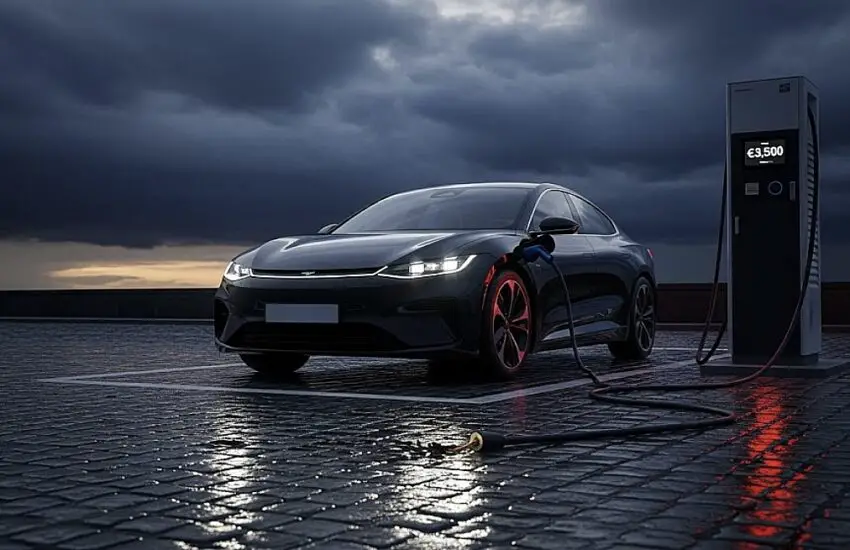
A Global Surge Meets Emerging Challenges
The global electric vehicle (EV) market continues its remarkable expansion, with sales figures painting a picture of unstoppable momentum. This rapid adoption is widely seen as a cornerstone of the broader transition to sustainable transportation. However, beneath this surface of strong growth, a complex array of economic and infrastructural challenges is beginning to surface, casting doubt on the smoothness of the road ahead.
Warning Signs Behind the Growth Curve
Several key indicators are triggering concern among analysts and industry observers. While overall numbers rise, the pace of growth in some major markets has begun to slow. Consumer anxiety over charging infrastructure, particularly for long-distance travel and in urban areas without dedicated parking, remains a significant barrier to wider adoption. Furthermore, high upfront costs compared to traditional internal combustion engine vehicles continue to deter a large segment of potential buyers, despite lower long-term operating expenses.
Pressure on Supply Chains and Policy
The industry’s reliance on critical raw materials like lithium, cobalt, and nickel presents a substantial risk. Geopolitical tensions and concentrated mining operations can lead to volatile prices and supply bottlenecks, potentially stalling production. This uncertainty puts pressure on automakers’ profitability and challenges the narrative of inevitably declining EV prices. Simultaneously, the evolution of government subsidies and purchase incentives is creating market uncertainty, as policymakers debate the next phase of support for the sector.
Navigating the Road to Sustainable Mobility
The current moment represents a critical inflection point for the electric vehicle revolution. The initial wave of early adopters is being succeeded by a more pragmatic mainstream consumer. Success now hinges on addressing practical concerns with tangible solutions. Accelerating the deployment of reliable, ubiquitous charging networks, fostering innovation in battery technology to reduce costs and material dependencies, and ensuring stable, long-term policy frameworks are no longer optional. The strength of the EV market’s future growth will depend directly on how effectively these headwinds are navigated.