
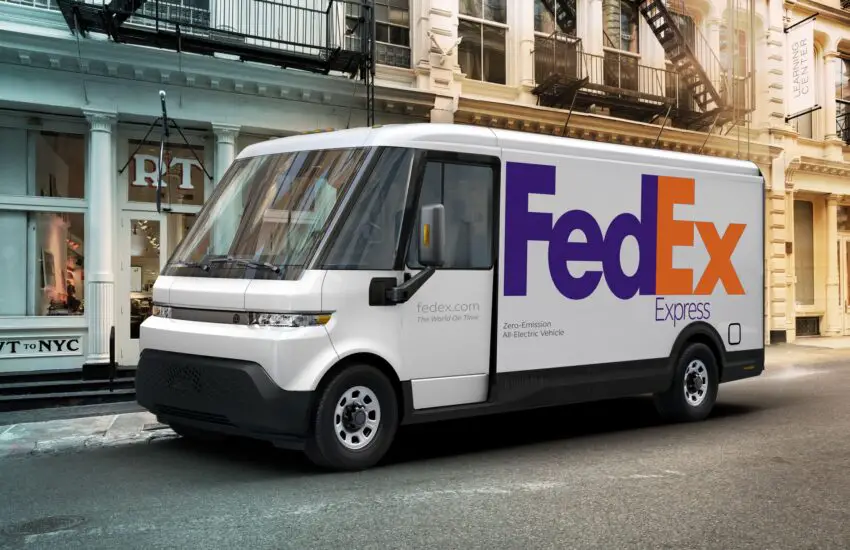
The Reluctant Shift to Electric Commercial Vehicles
Despite global pushes for sustainability, electric vans are encountering significant resistance from businesses and professionals. Market data from Europe and North America shows underwhelming sales figures, indicating a cautious approach to adopting electric mobility in commercial fleets. This hesitation stems from multiple practical concerns that outweigh environmental benefits in daily operations.
Key Barriers to Widespread Adoption
Several factors contribute to this slow uptake. The limited driving range of electric vans remains a primary concern for businesses covering extensive territories. Charging infrastructure, while expanding, still lacks the density and speed required for efficient commercial use. Many companies also report higher upfront costs compared to traditional combustion engines, creating financial hesitation despite potential long-term savings.
Manufacturers Adjust Strategies
Automakers are responding to this market reality with strategic shifts. General Motors recently announced production delays for certain electric van models, reflecting the need to align supply with actual demand. Other manufacturers are reevaluating their electrification timelines, balancing regulatory requirements with commercial viability. These adjustments highlight the complex interplay between ambition and practical business needs.
Industry-Specific Challenges
Different sectors face unique obstacles in transitioning to electric vans. Delivery services worry about payload capacity and route efficiency, while tradespeople express concerns about power drainage from tool usage. The construction industry questions whether current electric models can withstand rigorous daily use across varied terrains and weather conditions. These operational realities must be addressed for broader acceptance.
The Path Forward for Electric Commercial Vehicles
Overcoming current skepticism requires technological advancements and tailored solutions. Battery technology improvements extending range, faster charging capabilities, and total cost of ownership transparency could shift perceptions. As infrastructure expands and operational data accumulates, businesses may gradually recognize the economic and environmental advantages of electric commercial fleets.