
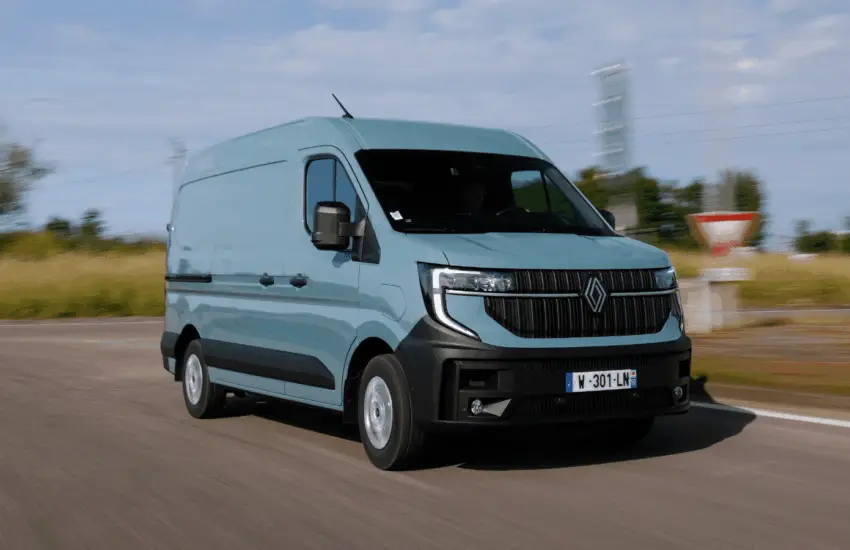
Manufacturers Raise Concerns Over Electric Van Adoption
The automotive industry is highlighting significant challenges in transitioning commercial fleets to electric power. With European Union regulations mandating that 50% of light commercial vehicles sold must be zero-emission by 2030, manufacturers express concerns about infrastructure readiness and economic feasibility. This target forms part of the broader European Green Deal aiming for climate neutrality by 2050.
Infrastructure Gaps and Economic Pressures
Industry leaders identify charging infrastructure as the primary obstacle to widespread electric van adoption. Unlike passenger vehicles that typically charge at home or work, commercial vans often require high-power public charging during operational hours. The current network of fast-charging stations remains insufficient to support large-scale commercial EV operations, particularly in suburban and rural areas where many businesses operate.
Battery Technology and Payload Considerations
Current battery technology presents unique challenges for commercial applications. The substantial weight of batteries reduces payload capacity – a critical factor for businesses relying on maximum cargo efficiency. While battery energy density continues to improve, manufacturers note that the pace of advancement may not align with regulatory timelines. Additionally, the higher upfront cost of electric vans compared to conventional models creates financial barriers for small businesses and independent operators.
Supply Chain and Production Challenges
Automakers face complex supply chain restructuring to meet electric van production targets. The shift requires substantial investment in retooling factories and securing battery raw materials. Many manufacturers are implementing phased transition plans, but warn that meeting the 2030 targets will require coordinated effort between industry, government, and utility providers to address these multifaceted challenges.