
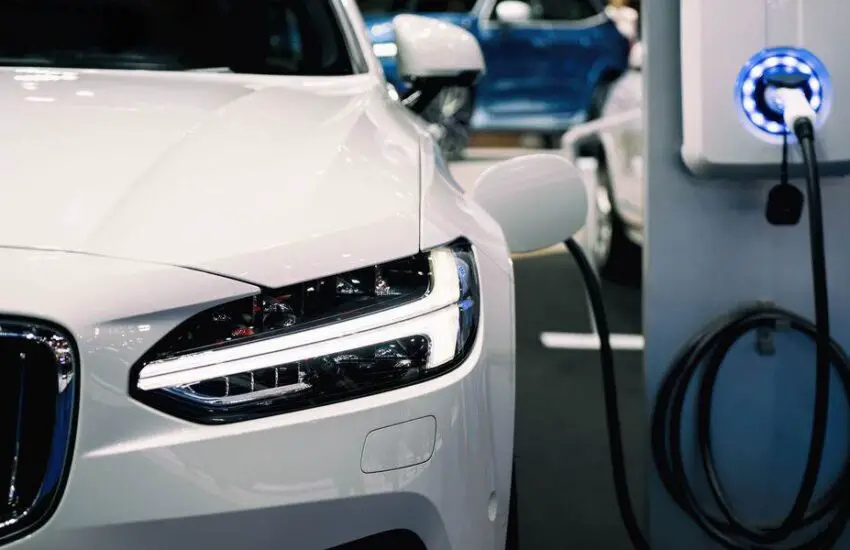
Have you thought about buying a new car? Brand and model have always been the first things that come to mind. Today, we have to make another decision. Should I buy an electric or hybrid car? Here are some points to consider to help you make the right decision.
The UK is considering banning petrol and diesel cars from 2030. With this in mind, it makes sense to plan ahead.
ELECTRIC CARS – ADVANTAGES
The development of electric cars is progressing more and more. Due to their advantages, more and more customers are enthusiastic about electric cars. There are several reasons for this; driving pleasure thanks to powerful acceleration from a complete stop and reduced noise. The main argument for buying an electric car is that it is environmentally friendly. The car becomes a purchase that is both a status symbol and an expression of one’s idealism. Thanks to the electric motor, which does not require combustion, no CO2 or other greenhouse gases are emitted. Even in the overall CO2 balance, which takes into account the entire lifespan of the electric car, it beats conventional combustion engines.
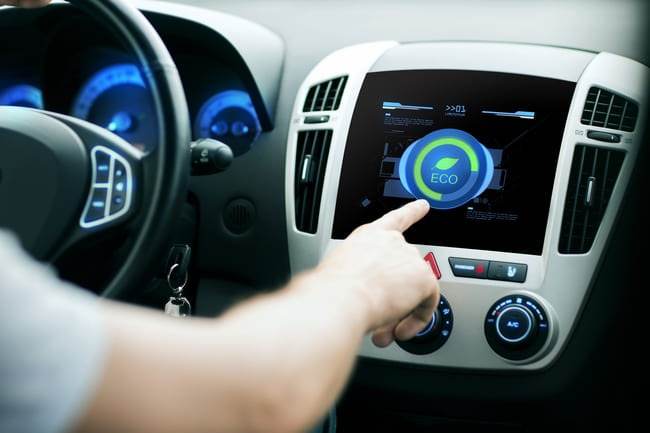
The electric motor is also very energy efficient: the integrated motors have an efficiency of up to 90 percent. This means that 90 percent of the energy input can also be used. This value is only 20 to 40 percent for combustion engines. Furthermore, electric cars do not consume oil in the form of petrol or diesel, thus preserving this resource.
THE DISADVANTAGES
The range of electric cars is still far from comparable to that of diesel and petrol. Electric cars remain more expensive than thermal engines, and recharging the batteries is not always easy. These are facts that still hinder the sale of electric and plug-in hybrid cars in most countries, but they are on the increase.
Most of the disadvantages of electric cars are due to the current state of technology. The most important cost factor remains the vehicle’s battery. The production of lithium-ion batteries, which is being established, is not only costly but also leaves a significant CO2 footprint that weighs on the overall environmental balance of electric cars.
HYBRID CARS – ADVANTAGES
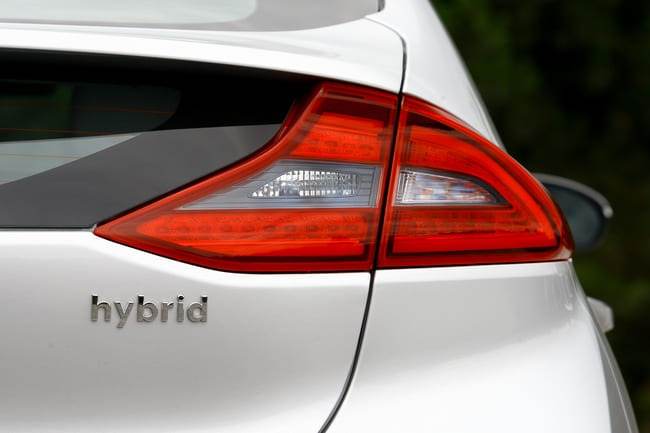
Hybrid cars aim to combine the advantages of combustion engines and electric propulsion. Since an electric motor is already very efficient at low speeds, it is particularly well-suited for starting and low speeds. In contrast, at high speeds, the thermal engine performs better. Most hybrid cars can automatically switch between the two engines or operate both together when it is most efficient.
Thanks to the synthesis of the two types of transmission, fuel consumption and emissions can be reduced, dynamic driving performance created, and a long range achieved for a reasonable additional cost. The electric motor supports or replaces the combustion engine – especially where it is inefficient – and serves in certain situations as a performance booster.
THE DISADVANTAGES
Even before taking a closer look at a hybrid car, one thing that immediately catches the eye is its high price. Many models are now offered in both classic thermal and hybrid versions, and the price difference is often several thousand euros more for the hybrid model. This is partly due to the need to install both electric and combustion technology.
This brings us to the next disadvantage, weight. Precisely because both systems are installed, the hybrid weighs significantly more than a conventional model. The extra weight becomes a problem especially when driving on the motorway, as fuel consumption increases significantly there and can even be higher than that of a combustion model. Two systems also mean that more space is required. The battery has to be stored somewhere, which is usually at the expense of the boot space. The fuel tank is also smaller, so fuel is no longer sufficient for long journeys. From an ecological point of view, a hybrid is only cost-effective if you drive it for a long time and especially on short distances and in city traffic.
ELECTRIC OR HYBRID – WHICH IS THE BEST OPTION?
An electric vehicle requires up to 50% less energy than a hybrid vehicle. Studies show that operating an electric car produces up to 70% less greenhouse gases, nitrogen oxides, and particulates than a hybrid car. So, if you are concerned about emissions, you should invest in an electric vehicle.Top 5 Rated Electric Vehicles in the UK:
Hyundai Ioniq 5 – With high charging speed, numerous assistance systems, and generous interior space, Hyundai is even tackling the electric luxury class.
Kia EV6 – The Kia EV6 features cutting-edge 800-volt technology and a bold design.
Skoda Enyaq – The Skoda benefits from its rear-wheel drive design and cornering manoeuvres are no problem.
Tesla Model 3 – The “base model” of the rear-wheel drive Model 3 is quite impressive. The “Standard Range Plus” version offers 239 kW or 325 hp.
Ford Mustang Mach-E – It guides you through everyday life in a fully electric way and will impress with its appearance, technology, and performance.
Top 5 Rated Hybrids in the UK:
Toyota Prius – It is still an aerodynamically optimized compact-class sedan.
Renault Captur – The entire powertrain offers agility, very good driving comfort, and enough power for all everyday situations.
Kia Niro PHEV – In terms of connectivity and assistance systems, the crossover is once again state-of-the-art, making it an attractive choice.
Skoda Octavia iV – The vehicle strikes with a lush grille and a touch of luxury inside.
BMW 330e – It may not be the most economical plug-in hybrid, but it offers a lot of dynamics thanks to the concentrated power of its propulsion units.