
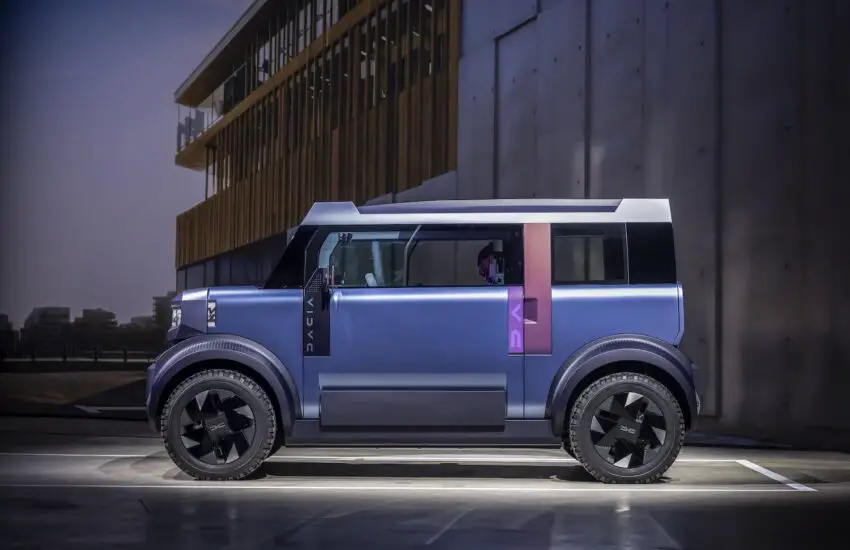
Electric Kei Cars: Europe Reconnects with Its Automotive Roots
The European Union appears to be opening up to a category of modest and economical small cars, particularly by lifting certain regulations that hinder the growth of this segment. This direction marks a return to basics for the Old Continent, which could rediscover the spirit of the compact city cars that contributed to its success in past decades.
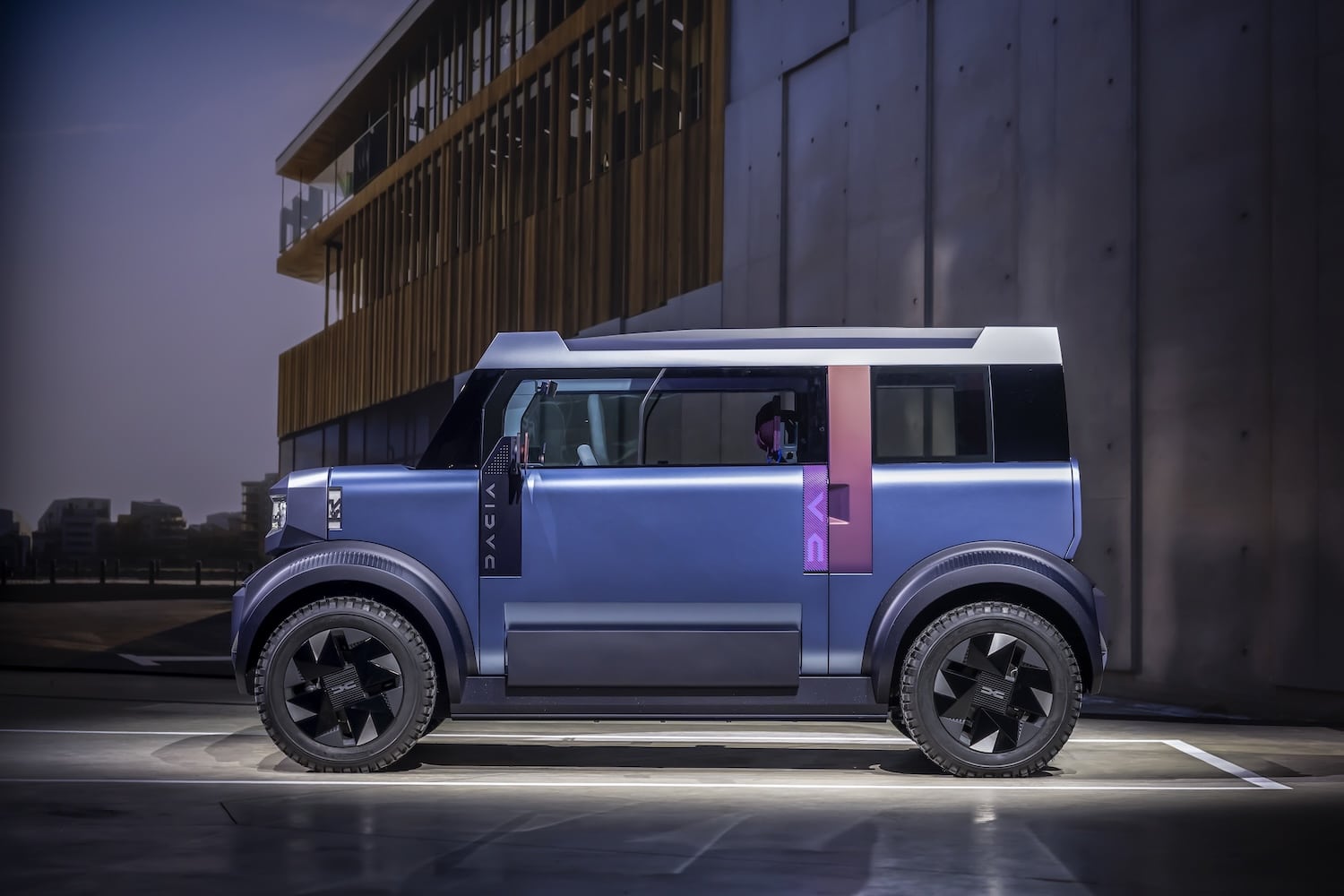
What is a Kei Car?
Kei cars, short for “keijidōsha” meaning “light vehicle” in Japanese, represent a specific category of vehicles with strictly regulated dimensions and engine displacement. These urban automobiles are characterized by their extreme compactness, low fuel consumption, and affordable price. Originally developed in Japan to meet mobility needs in confined spaces, these vehicles could perfectly adapt to the challenges of modern European cities.
European Regulatory Evolution
Current European regulations impose safety and emission standards that are sometimes difficult to reconcile with the very concept of kei cars. However, facing environmental challenges and the increasing congestion of city centers, Brussels is considering relaxing certain provisions. This regulatory evolution could enable the emergence of a new generation of urban electric vehicles inspired by Japanese kei cars.
Advantages of Electric Kei Cars
The electrification of kei cars offers multiple advantages for the European market. These lightweight vehicles require smaller capacity batteries, which reduces their production cost and environmental impact. Their compactness makes them ideal for city driving and parking in tight spaces. Their range, although limited, perfectly matches the needs of daily urban commuting.
Impact on Urban Mobility
The introduction of electric kei cars in Europe could revolutionize urban mobility. Their reduced size would help decrease traffic congestion and facilitate parking. Their affordable price would make them attractive to a broad segment of the population, particularly young professionals and elderly people.
Challenges to Overcome
Several challenges remain for the adoption of kei cars in Europe. Safety standards must be adapted without compromising occupant protection. Charging infrastructure needs to be developed to meet the specific needs of these vehicles. Finally, the mindset of European consumers, accustomed to more spacious cars, will need to evolve.
Future Prospects
The return to automotive roots in electric version represents a unique opportunity for Europe to rethink its mobility. Electric kei cars could complement the existing offerings and address specific needs that conventional vehicles do not fully satisfy. This evolution is part of a broader trend toward diversifying transportation solutions and adapting to environmental constraints.
The transition toward smaller and more efficient vehicles could mark a turning point in European automotive history, combining technological innovation with a return to essentials.