
The Allure of Charging on the Go
The concept of electric highways, where vehicles recharge while driving, presents a futuristic solution to range anxiety. This technology, known as dynamic wireless power transfer (DWPT), promises seamless long-distance travel without stopping to plug in. It captures the imagination by offering the ultimate convenience for electric vehicle owners. However, this enticing vision masks a reality of immense practical and financial hurdles.
The Staggering Economic Hurdles
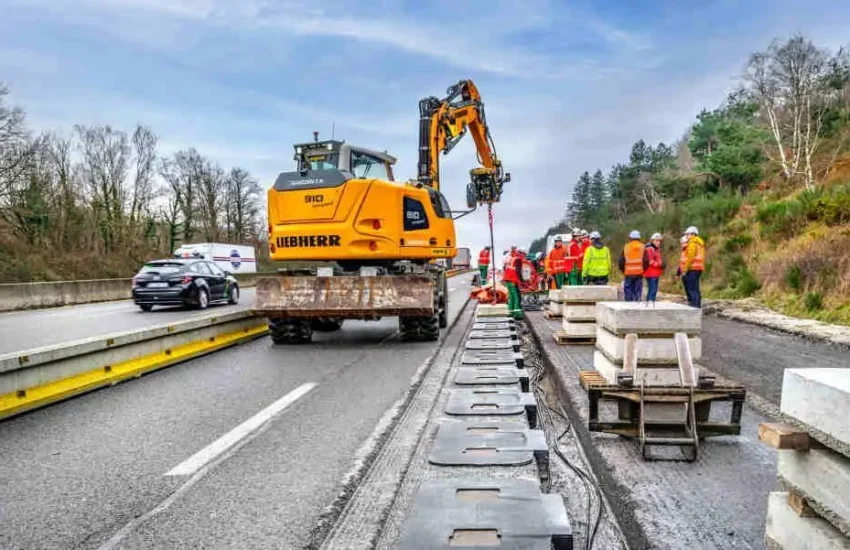
The primary barrier is cost. Retrofitting thousands of kilometers of existing motorway with embedded charging coils requires astronomical investment. The infrastructure isn’t just the coils themselves; it involves extensive civil works to excavate and reinforce roadways, install complex electrical substations, and integrate smart grid management systems. This financial burden would ultimately fall on taxpayers or result in exorbitant toll fees, challenging the economic viability of electric vehicles themselves.
Technical and Efficiency Challenges
Beyond economics, significant technical questions remain. Energy transfer efficiency over air gaps and at high speeds is a major engineering challenge, with considerable power loss. Standardization is another obstacle: creating a universal system compatible with diverse EV models from different manufacturers is immensely complex. Furthermore, the long-term durability of embedded technology under heavy traffic and harsh weather conditions is unproven, raising concerns about maintenance nightmares and road closures.
A More Pragmatic Road Ahead
While the dream of endless driving is powerful, resources may be better allocated to proven solutions. Rapid expansion of ultra-fast charging stations at existing service areas offers a more immediate and scalable path. Advances in battery technology, providing longer ranges and faster charging times, are already diminishing the core problem electric highways aim to solve. Investing in grid resilience and renewable energy sources to power stationary chargers presents a more efficient and financially sensible route to sustainable transport.