The WLTP Range Gap in Electric Vehicles
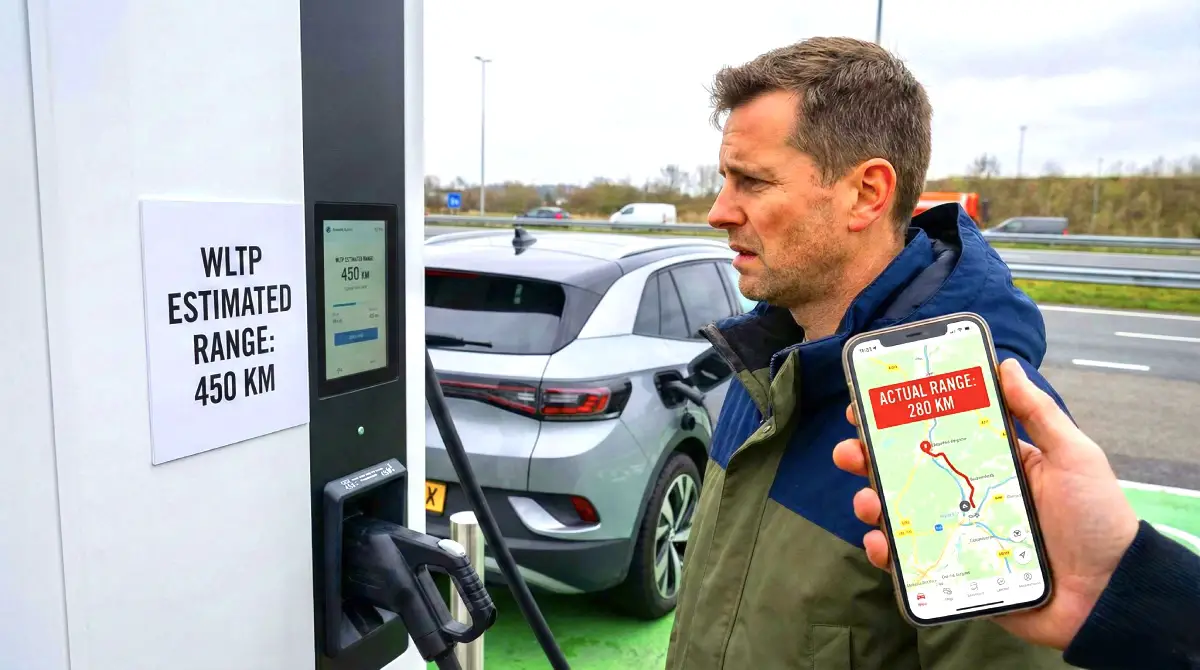
Electric vehicle manufacturers universally cite WLTP (Worldwide Harmonised Light Vehicle Test Procedure) range figures, yet drivers consistently experience significantly lower mileage. This discrepancy stems from fundamental differences between controlled laboratory testing and actual road conditions. Understanding these variations helps explain why your daily commute rarely matches official specifications.
Laboratory Conditions Versus Real-World Variables
WLTP testing occurs in controlled environments with fixed parameters that don’t reflect everyday driving scenarios. Laboratory tests maintain consistent temperatures, use predefined acceleration patterns, and eliminate external factors like wind resistance variations. Real-world driving incorporates traffic congestion, elevation changes, climate control usage, and varying speeds – all substantial drains on battery capacity that laboratory tests cannot replicate.
Temperature Impact on Battery Performance
Battery chemistry responds dramatically to temperature fluctuations, a factor poorly represented in WLTP calculations. Cold weather substantially reduces battery efficiency and increases energy consumption for cabin heating. Similarly, extreme heat triggers battery cooling systems that draw significant power. These thermal management systems operate continuously in real-world conditions but remain largely inactive during standardized testing.
The Road to More Accurate Range Estimates
Automakers and regulators recognize the growing credibility gap between advertised and actual range. Some manufacturers now provide dual range estimates – optimal and typical – while others incorporate real-world adjustment factors. Future testing protocols may include mandatory climate control operation, varied terrain simulation, and different driving style parameters to deliver more realistic expectations for consumers.