
Is Tesla’s “New” Car Really New?
The electric vehicle world is buzzing with speculation following Tesla’s latest announcement. The automaker has teased a “new” vehicle, but industry analysts suggest this may not be a ground-up creation. Instead, it appears to be a significant evolution of an existing platform, potentially a major refresh or a specific new variant. This strategy blurs the line between a model update and a new launch, raising questions about Tesla’s approach to refreshing its lineup in a highly competitive market.
Legacy Automakers Accelerate Their EV Plans
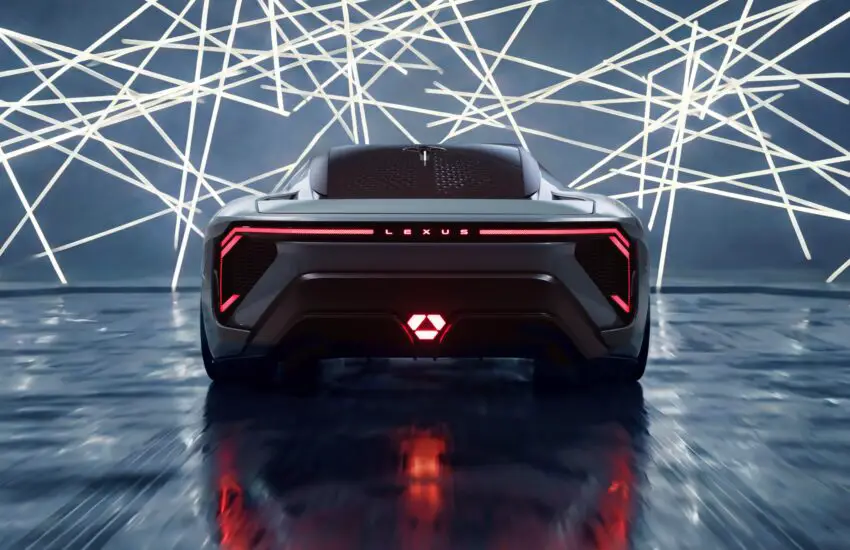
While Tesla captures headlines, traditional manufacturers are making decisive moves. Lexus is preparing to unveil a next-generation electric SUV, promising a blend of the brand’s renowned luxury with a dedicated EV architecture for improved performance and range. Meanwhile, the iconic Renault 5 is making a triumphant return, reimagined as a compact, affordable EV. Its retro-modern design and focus on urban mobility position it as a strong contender in the European market.
Hyundai and Jaguar Forge Ahead with Innovation
Hyundai continues to build on the success of its IONIQ series, with rumors pointing to an expansion of its high-performance N line into the electric sphere. This move would bring thrilling driving dynamics to zero-emission vehicles. On the luxury front, Jaguar is undergoing a radical transformation, phasing out its internal combustion engines to become an all-electric brand by 2025. The upcoming Jaguar models promise to combine sleek, modern aesthetics with cutting-edge technology, aiming to redefine British electric luxury.
The electric vehicle landscape is shifting rapidly, with each player employing distinct strategies. From Tesla’s iterative yet impactful updates to the bold, brand-defining transitions from legacy automakers, the competition is driving faster innovation and more choices for consumers worldwide.