
The Road to 2026: A Transformative Era for EVs
The electric vehicle market is accelerating toward a pivotal moment in 2026. Driven by technological leaps, regulatory pressures, and shifting consumer expectations, the automotive landscape is undergoing its most significant transformation in a century. This period will move beyond early adoption, setting new standards for performance, accessibility, and integration into daily life.
Battery Breakthroughs and Cost Parity
A primary driver of change will be next-generation battery technology. Solid-state batteries are predicted to move from laboratory prototypes to limited commercial availability in premium models by 2026. These batteries promise greater energy density, faster charging, and improved safety. Concurrently, economies of scale and improved manufacturing processes are expected to finally bring the upfront purchase price of EVs to parity with their internal combustion engine counterparts, removing a major barrier for mainstream buyers.
The Rise of Software-Defined Vehicles
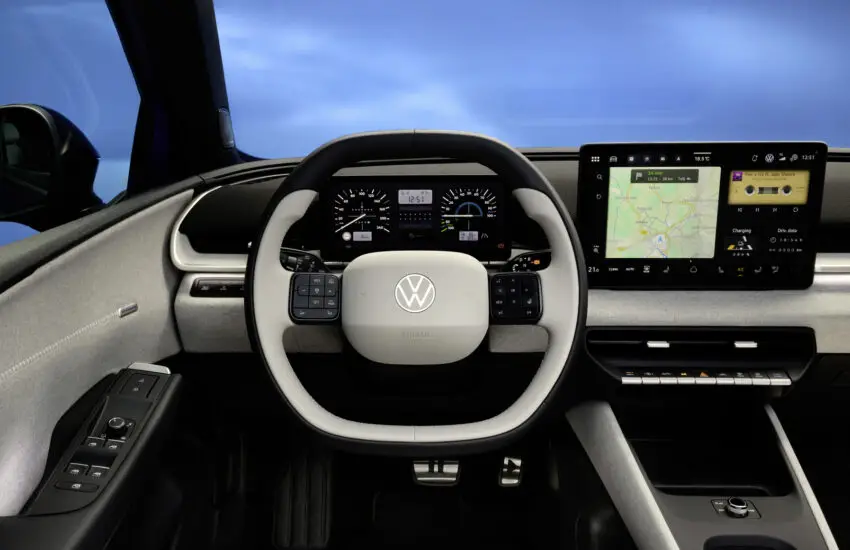
Cars will increasingly be defined by their software rather than just their hardware. Over-the-air updates will become standard, allowing for continuous improvement of vehicle performance, battery management, and autonomous features post-purchase. The in-car experience will evolve into a personalized digital ecosystem, integrating seamlessly with smart home devices and city infrastructure for optimized routing and energy use.
Market Diversification and Charging Infrastructure
The vehicle lineup will expand dramatically beyond sedans and SUVs. Expect a surge in compelling electric options for pick-up trucks, vans, and compact city cars. Furthermore, the public charging network will see critical enhancement. The focus will shift from merely increasing charger quantity to ensuring reliability, faster charging speeds, and better geographic distribution, making long-distance EV travel more convenient and predictable for all.
Sustainability and the Circular Economy
As the market matures, scrutiny will intensify on the entire lifecycle of the EV. Manufacturers will invest heavily in sustainable battery recycling and repurposing programs. There will be a stronger emphasis on using recycled materials and renewable energy in production. This holistic approach to environmental impact will become a key differentiator for brands and a growing concern for informed consumers.