

WHY IS TIMING IMPORTANT?
- 1 Why is timing important?
- 2 What does the timing belt or chain do?
- 3 Timing belts vs timing chains
- 4 How often do they need to be replaced?
- 5 Signs of a bad timing belt or chain
- 6 Can you drive a car with a bad timing chain or belt?
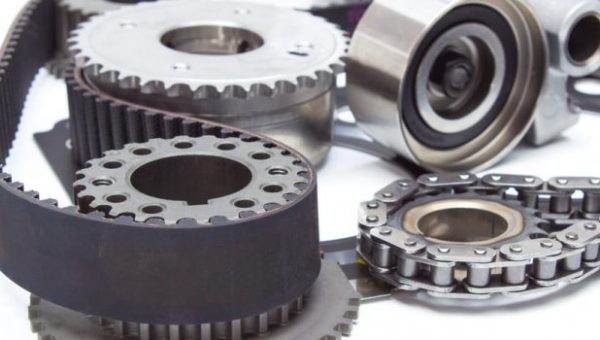
There are several moving components in an engine that are all precisely timed and synchronized with each other to ensure the proper operation of the unit. If the camshaft or crankshaft is misaligned or if the timing of the valves and pistons is off, the entire ignition process could be disrupted, causing engine misfires, overheating, and other issues.
WHAT DOES THE TIMING BELT OR CHAIN DO?
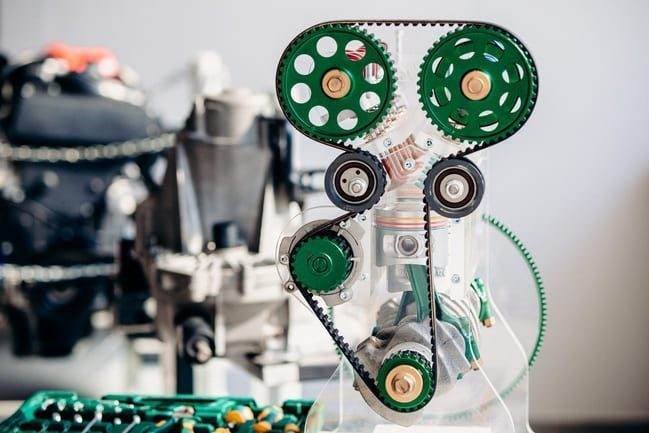
The timing belt, also called the cam belt, connects the camshaft and the crankshaft and synchronizes their movements. The camshaft rotates to open and close the engine valves by letting fuel and air pass through. This must be perfectly synchronized with the movement of the pistons, which is controlled by the crankshaft. If the timing belt or chain is damaged or slips, it could lead to severe engine damage or failure.
TIMING BELTS VS TIMING CHAINS
These two types of timing components follow the same operating principles, but there are two key differences. First, belts are typically made of reinforced rubber, while chains are made of metal, often resembling bicycle chains. The second difference is the location of the components. Cam chains are normally housed inside the engine itself and lubricated with oil, and belts are often installed outside the engine. However, some car manufacturers use toothed belts that are internal components and also use engine oil for lubrication.
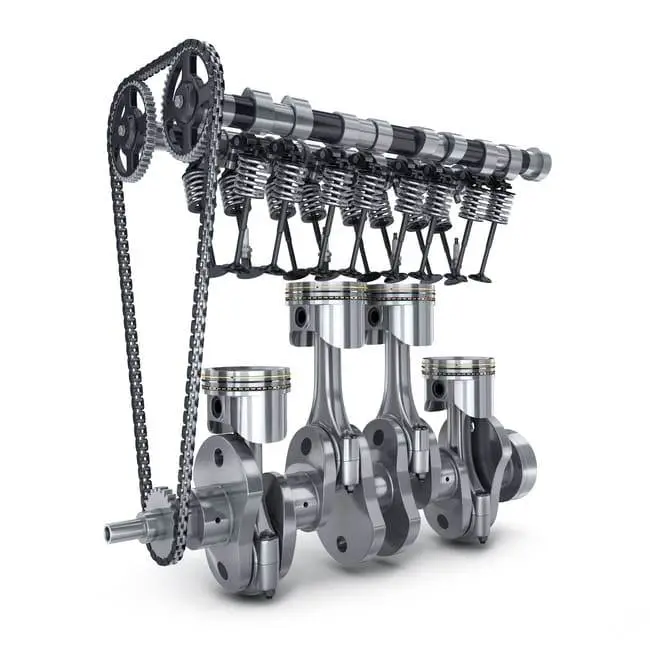
Due to their material, chains tend to be much more durable than timing belts. Rubber is much more vulnerable to cracking, stretching, and mechanical wear, requiring regular replacement intervals. On the other hand, in general, these external belts are easier and sometimes cheaper to replace. Their other major advantage is that they are quieter than metal chains.
HOW OFTEN DO THEY NEED TO BE REPLACED?

A high-quality timing chain can last as long as the car it is installed in; however, experts advise people to have the component serviced every 100,000 miles to avoid tension-related issues. Several factors can contribute to chain damage. For example, if you use the wrong type of engine oil or if the oil is not changed regularly, it can lead to wear on the plates and pins, as well as stretching.
As mentioned earlier, you need to change the timing belt at regular intervals. Many manufacturers recommend changing the belt and tensioners every 60,000 miles to maintain engine performance. However, some advanced products can last up to 100,000 miles or 7 to 10 years.
SIGNS OF A BAD TIMING BELT OR CHAIN
Regardless of the type of component your car uses, here are some of the most common symptoms to watch for:
- Misfires are detected
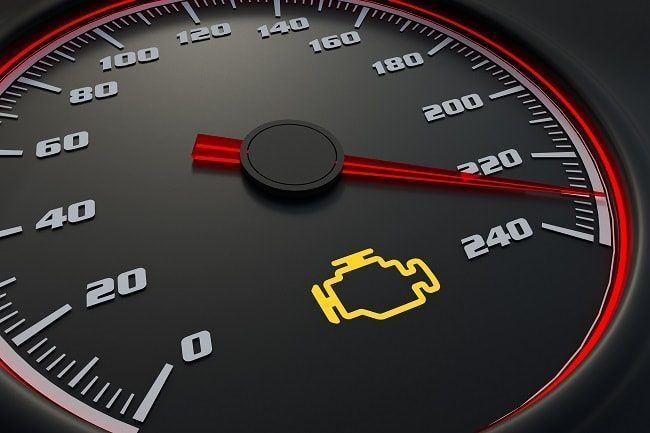
- The check engine light is on

- The engine is hard to start or won’t start at all
- Visible damage to the valves
CAN YOU DRIVE A CAR WITH A BAD TIMING CHAIN OR BELT?
If the component is faulty, it can make the car very difficult to drive. Even if you can drive it, it is highly discouraged because the risk of engine failure or severe damage is too high. If you suspect there is a problem with the engine timing system, you should seek professional help as soon as possible.