
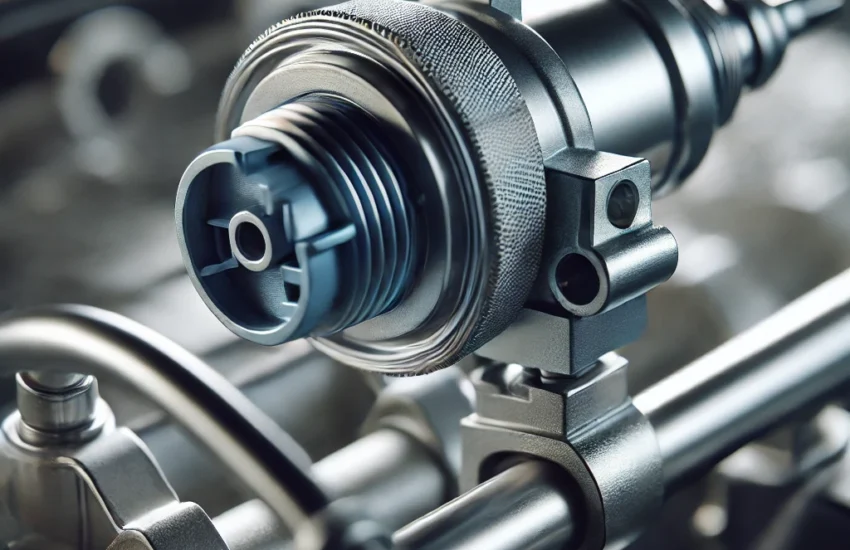
The fuel pressure sensor is a crucial component of your vehicle’s injection system. A faulty sensor can lead to various performance and fuel economy issues. Here’s how to identify and repair a failing fuel pressure sensor.
Symptoms of a Faulty Fuel Pressure Sensor
- Decreased engine performance
- Difficulty starting or failure to start
- Excessive fuel consumption
- Unstable idling or frequent stalling
- Check engine light illuminated on the dashboard
- Excessive fuel odor
Associated Error Codes
The following OBD-II codes may indicate a problem with the fuel pressure sensor:
- P0087: Fuel pressure too low
- P0191: Fuel pressure sensor circuit out of range
- P0193: Fuel pressure too high
Possible Causes of Malfunction
- Damaged or dirty fuel pressure sensor
- Corroded or damaged electrical connectors
- Leak in the fuel circuit
- Faulty fuel pump
- Clogged fuel filter
Tools Needed for Diagnosis
- OBD-II scanner
- Multimeter
- Wrenches and screwdrivers
- Protective gloves and safety glasses
Diagnostic Steps
- Scan Fault Codes: Connect an OBD-II scanner to the vehicle’s diagnostic port and note the detected codes.
- Visually Inspect the Sensor: Locate the fuel pressure sensor (usually on the injection rail) and check its condition.
- Check Connectors and Wiring: Look for signs of corrosion, cuts, or loose connections.
- Test the Sensor with a Multimeter: Disconnect the sensor and measure the output voltage. Compare the values with the manufacturer’s specifications.
- Test Fuel Pressure: Use a fuel pressure gauge to verify that the actual pressure matches normal values.
How to Repair a Fuel Pressure Sensor
- Replacing the Sensor
- Disconnect the battery to prevent any short circuits.
- Unplug the sensor’s electrical connector.
- Unscrew the sensor with an appropriate wrench.
- Install the new sensor and tighten it according to specifications.
- Reconnect the electrical connector.
- Post-Replacement Verification
- Clear the error codes with the OBD-II scanner.
- Start the engine and observe its performance.
- Test drive the vehicle to confirm the issue is resolved.
Prevention Tips
- Regularly replace the fuel filter.
- Use high-quality fuel to avoid impurities.
- Periodically inspect the fuel circuit and electrical connections.
By following these steps, you can effectively diagnose and repair a faulty fuel pressure sensor, ensuring your vehicle operates properly.