
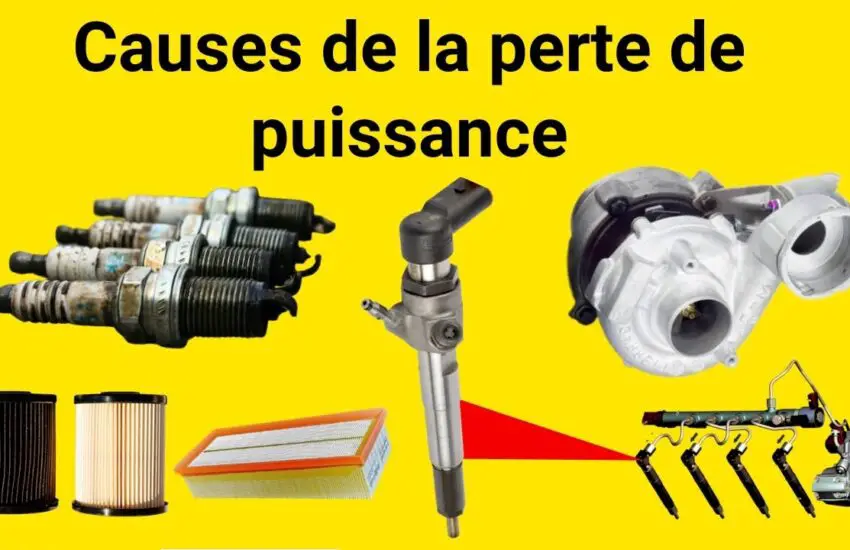
Engine power loss can turn a pleasant drive into a frustrating experience. Identifying the cause of this issue may seem complex, but with a methodical process, you can often detect and resolve the problem yourself or with the help of a professional. Here is a detailed guide to help you diagnose engine power loss.
1. Understanding the Signs and Symptoms
Before starting, note the specific symptoms:
- The engine lacks responsiveness during acceleration.
- Fuel consumption increases.
- Unusual vibrations or strange noises.
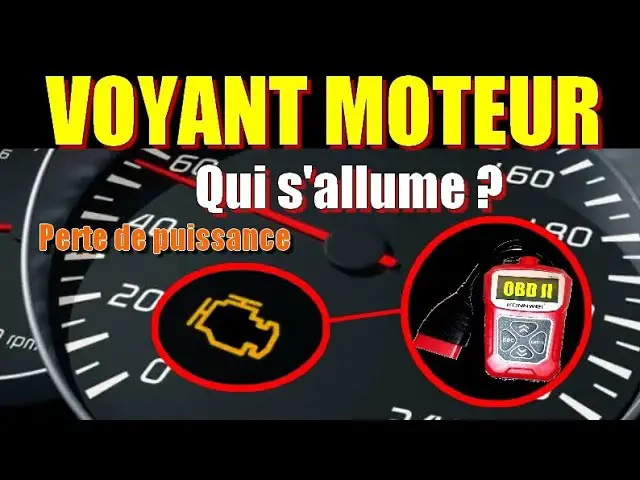
- The check engine light is on.
2. Checking Basic Mechanical Causes
Start with simple inspections:
- Engine oil level: A low oil level can lead to increased friction and reduced performance.
- Air filter: A dirty filter can restrict air intake, suffocating the engine.
- Fuel filter: A clogged filter prevents adequate fuel flow to the engine.
3. Using an OBD-II Scanner
Plug in an OBD-II scanner to check for error codes stored in the vehicle’s ECU. Some common codes related to power loss include:
- P0171/P0174: Air/fuel mixture too lean.
- P0300: Multiple misfires.
- P0420: Problem with the catalytic converter.
Analyze these codes to guide your diagnosis.
4. Inspecting Key Engine System Components
Here are the elements to check systematically:
a) Air Intake System
- Check if the mass air flow (MAF) sensor is dirty or faulty.
- Ensure there are no leaks in the intake ducts.
b) Fuel System
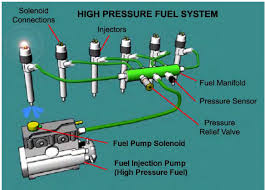
- Test the fuel pump to ensure it maintains adequate pressure.
- Make sure the injectors are not clogged or defective.
c) Exhaust System
- A clogged catalytic converter can cause excessive backpressure and reduce power.
- Look for signs of leaks in the exhaust system.
d) Ignition System
- Check the spark plugs and coils for signs of wear or failure.
- Replace them if necessary.
5. Identifying Electronic Causes
The electronic system plays a crucial role in engine management:
- The oxygen (O2) sensor may be faulty, affecting the air/fuel mixture.
- The throttle position sensor (TPS) or crankshaft position sensor could be the cause.
6. Road Testing
Once inspections and repairs are done, perform a road test to assess improvements. If the problem persists, consider a more in-depth analysis with a professional mechanic.
Conclusion
Engine power loss can be caused by a multitude of factors, ranging from simple blockages to more complex electronic issues. By following this guide, you can not only save time and money but also better understand how your vehicle works.
Do you have questions or need help interpreting an OBD code? Leave a comment below, and our experts will respond quickly!