

If you’re used to driving a manual transmission, you should be aware of these common manual transmission problems. Unless you have sufficient knowledge about manual transmission issues, it will be more difficult for you to detect any problem. Overall, manual transmission problems are quite straightforward. So, let’s take a look!
The 7 Most Common Manual Transmission Problems
Manual Transmission Fluid Leak
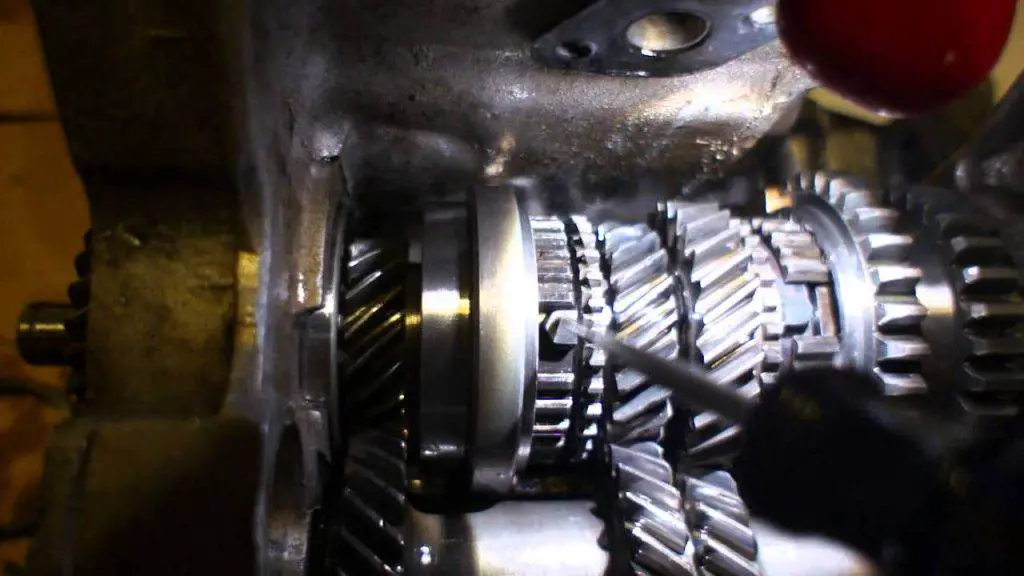
You’ve probably all heard of this issue before. Often, the fluid leaks from the unit and ends up at the rear. You can recognize this problem simply by looking for the oil leak inside the car’s system.
To find the cause, drivers can simply follow the oil leak trail forward to detect the source. This helps you instantly resolve one of the manual transmission problems.
Manual Gearbox Problems
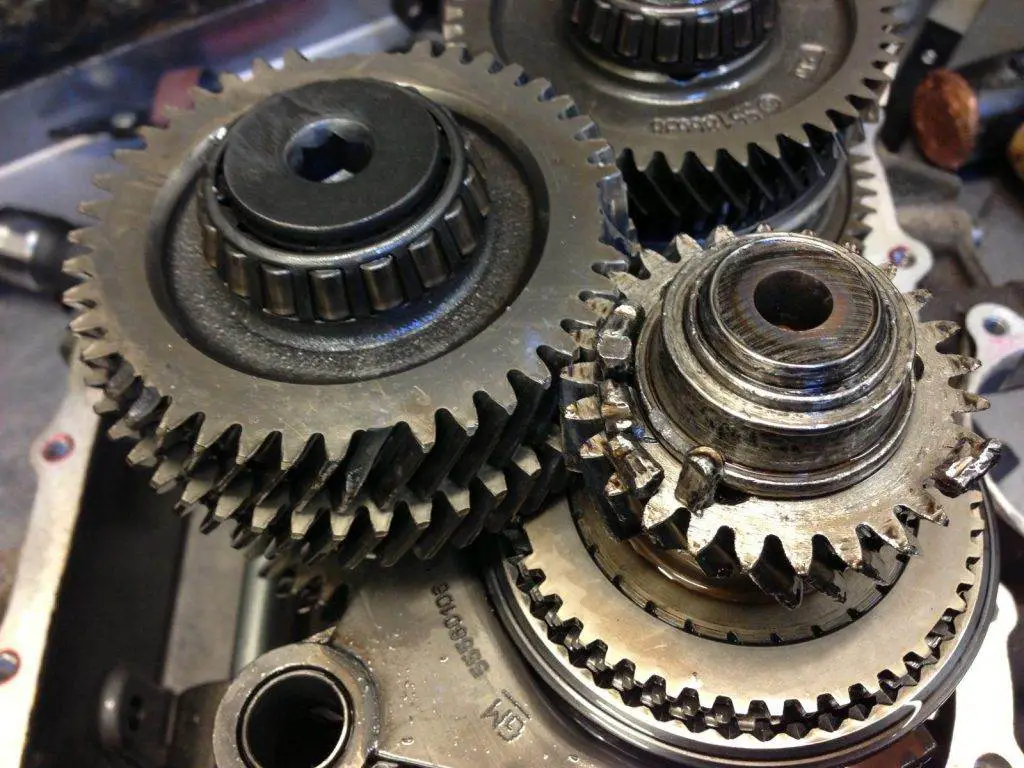
In a manual transmission, the running engine keeps it busy with the gear. Sometimes it can pop out quickly and hurt your joints.
In some other situations, the transmission can drop out quickly, especially during deceleration or when going uphill. This is one of those manual gearbox problems that requires urgent attention.
The Manual Transmission Won’t Engage
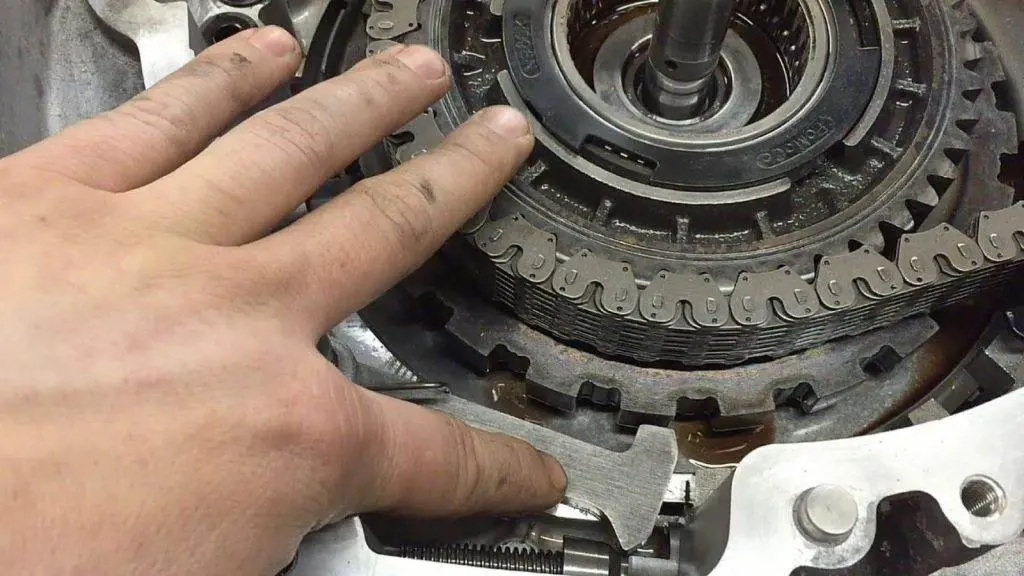
This one is a bit tricky. If you find that the manual transmission won’t engage while the engine is running, there might be a clutch problem. This can happen quite often with older cars.
You can be sure if you see the transmission engage when the engine is not running. It’s another problem in the series of manual transmission problems. Whenever you spot this issue on your dear vehicle, we recommend entrusting it to a professional auto mechanic for the best outcome.
The Transmission Grinds When Engaging a Gear
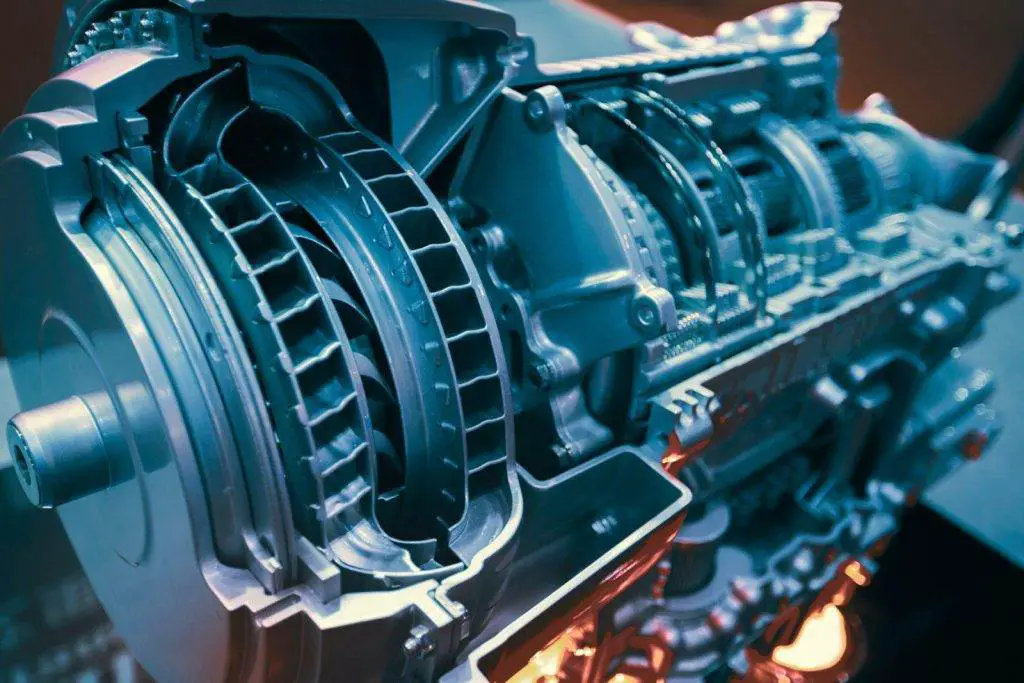
This is one of the most common manual transmission problems, and it usually happens when you install a new clutch. Let’s get into the details to see what’s happening inside your manual transmission at this point.
It might be that the synchronizer rings fail to engage the gears by slowing them down to the necessary level. So, you feel a grind when you try to shift the gear lever. The synchronizer rings act as a kind of brake on the gears; Thus, when they are worn out, they don’t slow down, and consequently, the gear doesn’t engage.
Using the wrong type of fluid can also be the cause of this kind of manual transmission problems. To ensure a healthy and normal lifespan for your transmission, you should choose a good quality engine oil.
If the clutch refuses to disengage the transmission, grinding will occur. A poor-quality clutch can also cause the same problem.
Noises – Ticking, Knocking, Clicking
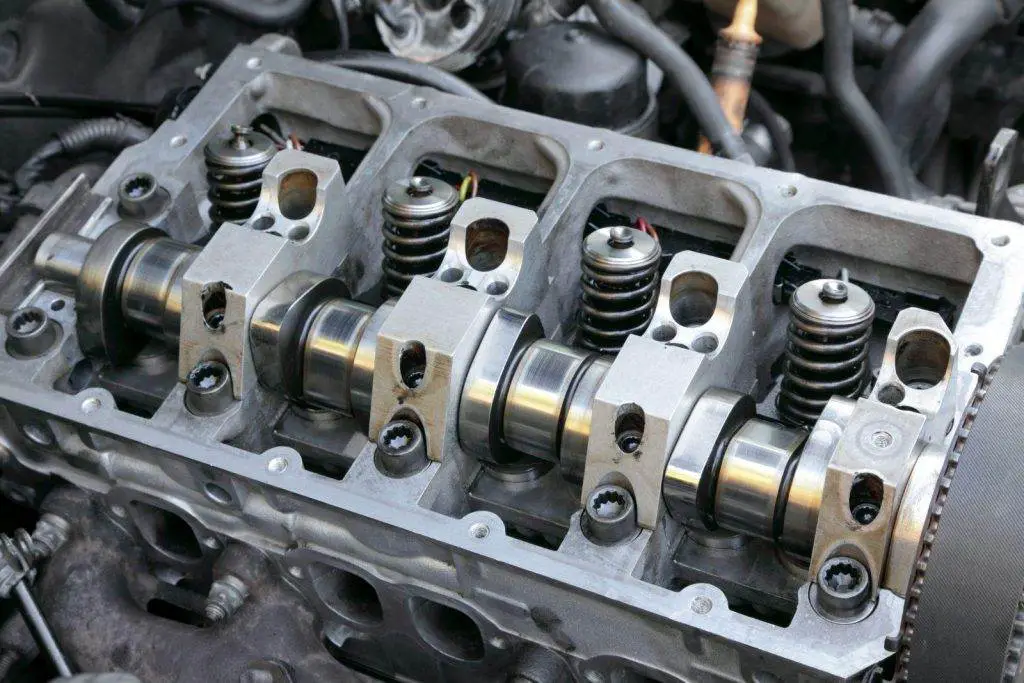
Different types of sounds indicate various problems. We will help you list the noises related to manual transmission problems. For example, a rattling noise most likely means a broken tooth, while a knocking noise means a damaged or broken gear. Last but not least, a ticking or bearing noise means a bad gear.
To avoid further internal damage, you should consult a mechanic.
Gear Won’t Engage in Cold Weather
The synchronizers in the manual transmission help match the rotational speed of the gears, making gear shifts smoother. Cold weather can make the synchronizers less effective, leading to gear engagement issues. In this case, you might need to wait for the transmission to warm up slightly before attempting to shift gears.
Furthermore, cold weather can affect the clutch system, making it stiff or less responsive. Ensure the clutch fluid is at the proper level and consider bleeding the clutch system to remove any air bubbles that could affect its operation.
Burning Smell
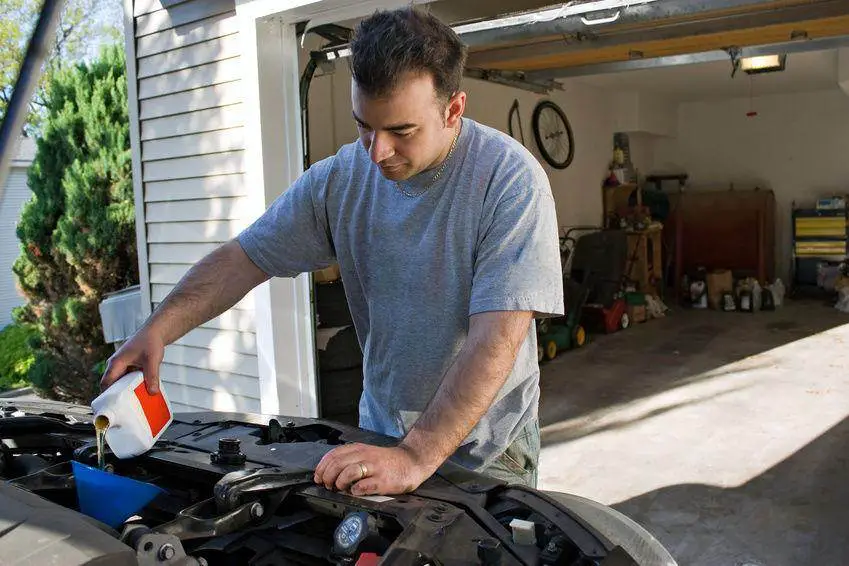
Any burning smell from your car is a cause for concern, and one of them is overheating transmission fluid. Transmission fluid plays a key role in keeping parts lubricated and cooled so they don’t wear out or get damaged.
The system overheats too much, leading to increased friction and corrosive activity as well as the buildup of additional sludge and debris if the fluid degrades. If this problem occurs too often, the transmission will eventually become damaged enough to fail completely, leading to a costly replacement. The most common causes are low fluid levels or using an incorrect brand/type of fluid.
See more:
Conclusion
If the outside temperature is near ZERO, the gear may not engage until the temperature reaches the normal line. This happens when your engine lacks lubricant, or there is a problem with your hydraulic clutch. You can try a lighter oil to solve the problem.