

Daily Carpooling’s Slow Adoption in France
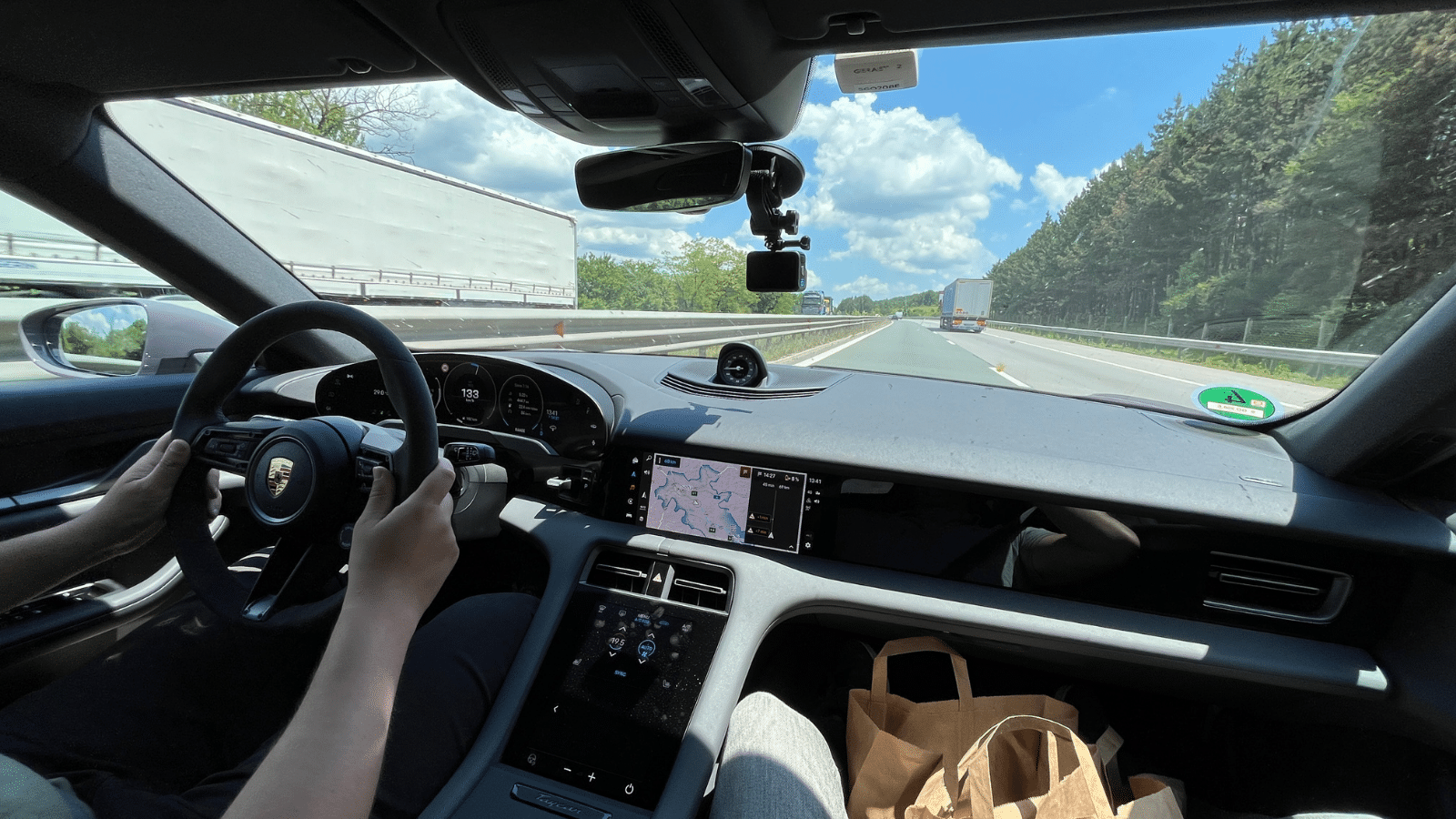
Over the years, carpooling in France has shown consistent growth, with more people opting to share rides for long-distance trips and occasional commutes. However, this upward trend belies a significant challenge: daily carpooling has yet to capture the widespread enthusiasm of French commuters. Despite environmental benefits and cost savings, the practice struggles to become a habitual choice for everyday travel.
Barriers to Daily Use
Several factors contribute to the reluctance. First, flexibility remains a primary concern. Many individuals value the freedom to leave work or home on their own schedule, which rigid carpool arrangements can compromise. Additionally, the lack of reliable partners for daily routes makes consistency difficult. People often find it easier to drive alone than to coordinate schedules with others regularly.
Infrastructure and Incentives
While France has invested in carpooling lanes and parking spots, these are not yet ubiquitous enough to convince a majority. Urban areas see better adoption, but suburban and rural regions face connectivity issues. Financial incentives, such as toll reductions or employer subsidies, have spurred some interest, yet awareness and accessibility of these benefits vary widely.
Cultural Shifts and Future Prospects
Changing deep-seated habits takes time. The French have a strong car culture, and transitioning to shared daily commutes requires a shift in mindset. Education on the collective impact—reduced traffic and lower emissions—could accelerate acceptance. As technology improves matching algorithms and real-time coordination, daily carpooling may gradually overcome these hurdles, paving the way for a more sustainable commute culture.