
Dacia Hipster: The Next Affordable Electric Revolution
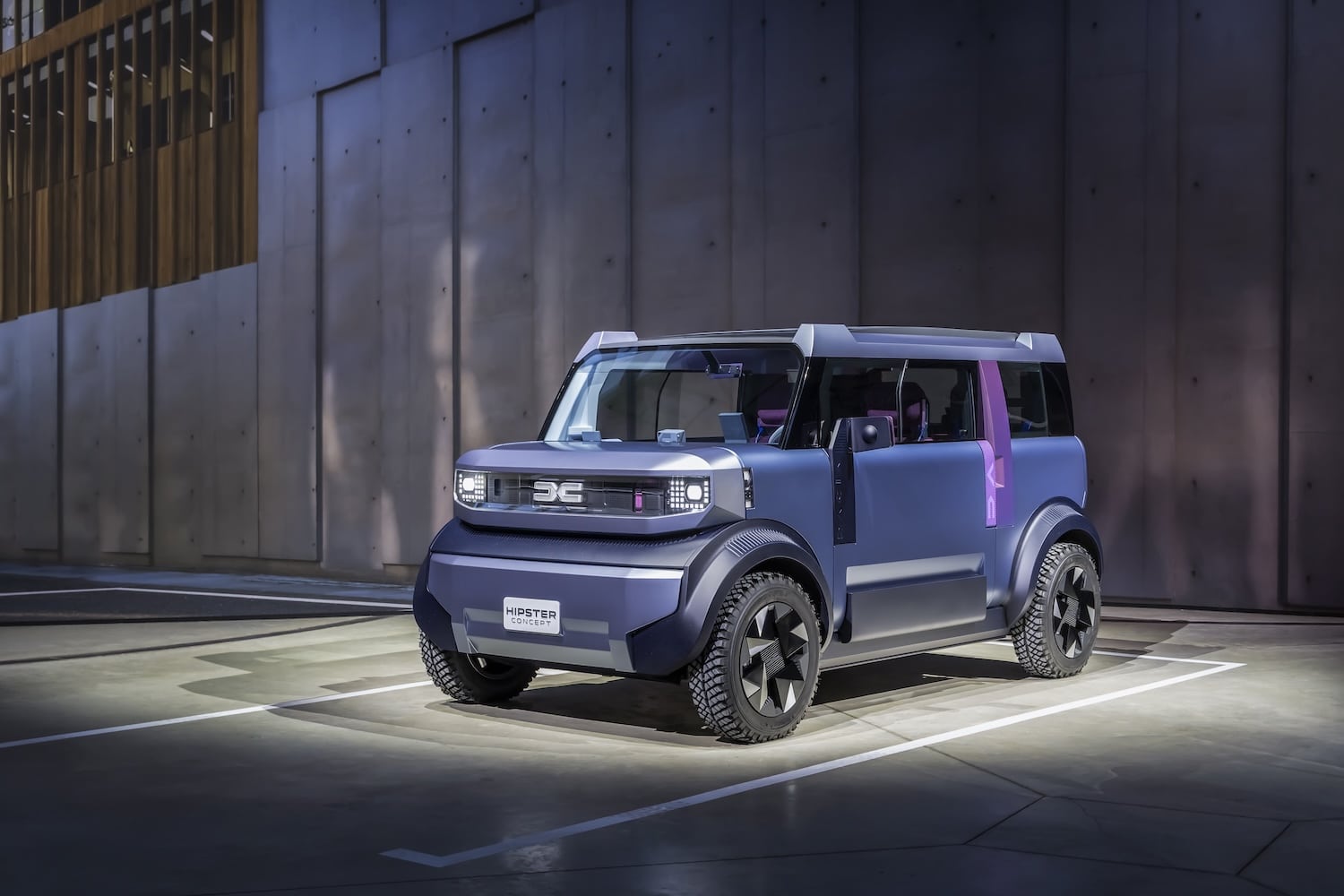
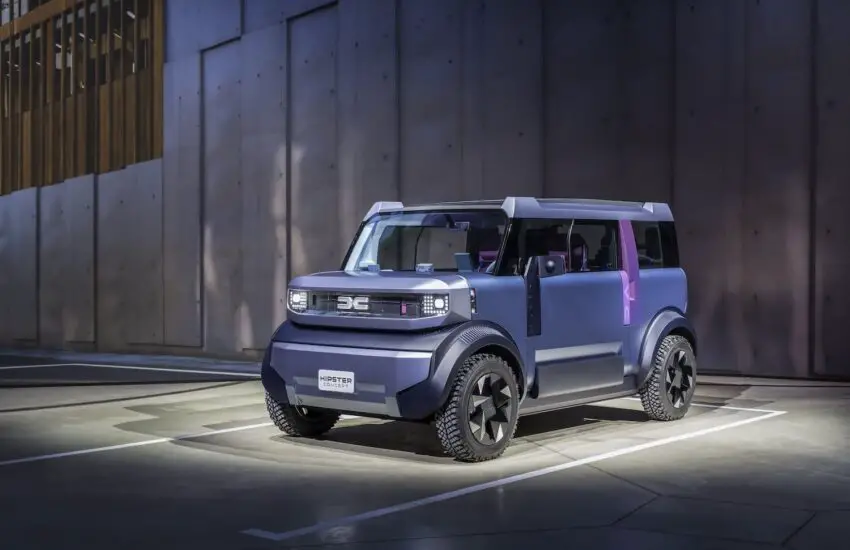
Dacia is preparing a new offensive in the automotive market with a concept that could revolutionize access to electric mobility. The Romanian manufacturer, a subsidiary of the Renault Group, is working on a mini electric city car named Hipster, capable of comfortably accommodating four passengers while offering an extremely competitive price.
A Bold Vision for Urban Mobility
The Dacia Hipster aligns with the brand’s traditional philosophy: offering simple, reliable, and accessible vehicles. This time, the approach is applied to electric vehicles with a determination that could disrupt industry standards. While electric vehicles generally remain more expensive than their internal combustion counterparts, Dacia seems determined to break this paradigm.
Design and Ergonomics: Smart Minimalism
The Hipster concept features a decidedly modern design while retaining the robust and functional DNA characteristic of the brand. The clean lines and compact proportions suggest a car ideally suited for urban traffic. Despite its reduced dimensions, the interior is designed to optimize space and offer acceptable comfort for four adults.
Performance and Range Adapted for Urban Use
Although the final technical specifications have not been revealed, experts anticipate a range between 200 and 250 kilometers, perfectly suited for daily needs in urban and suburban environments. The power is expected to remain moderate, prioritizing energy efficiency and accessibility over sporty performance.
Disruptive Pricing Strategy
The real strength of the Dacia Hipster lies in its pricing policy. The brand aims for a positioning below €20,000, an important psychological threshold in the automotive industry. This approach could massively democratize electric vehicles among young professionals, students, and low-income households who are still hesitant due to the usual premium cost of electric vehicles.
Potential Market Impact
The arrival of the Dacia Hipster could significantly accelerate the electric transition in France and Europe. By offering a credible and affordable alternative to internal combustion city cars, Dacia is targeting the heart of the automotive market. This strategy recalls the success of the Sandero in the combustion segment, but this time applied to electrification.
Technological Innovation and Simplicity
Unlike some manufacturers that overload their electric vehicles with complex technologies, Dacia seems to opt for a minimalist approach. The focus is on the essentials: a battery sufficient for daily trips, accessible charging on standard stations, and proven reliability. This philosophy perfectly matches the expectations of consumers primarily seeking a practical and economical vehicle.
Commercialization Prospects
If the concept materializes, the Dacia Hipster could arrive on the market by 2026. Its success will depend on the brand’s ability to keep its promise: a truly accessible electric car without compromising on safety and reliability. Pre-orders could open as early as next year, according to industry observers.
Conclusion: An Announced Revolution
The Dacia Hipster represents much more than just a new model. It embodies a democratic vision of electric mobility, where technology is no longer reserved for a financial elite. By directly addressing the main barrier to electric vehicle adoption – price – Dacia could once again transform the European automotive landscape and accelerate the energy transition in transportation.